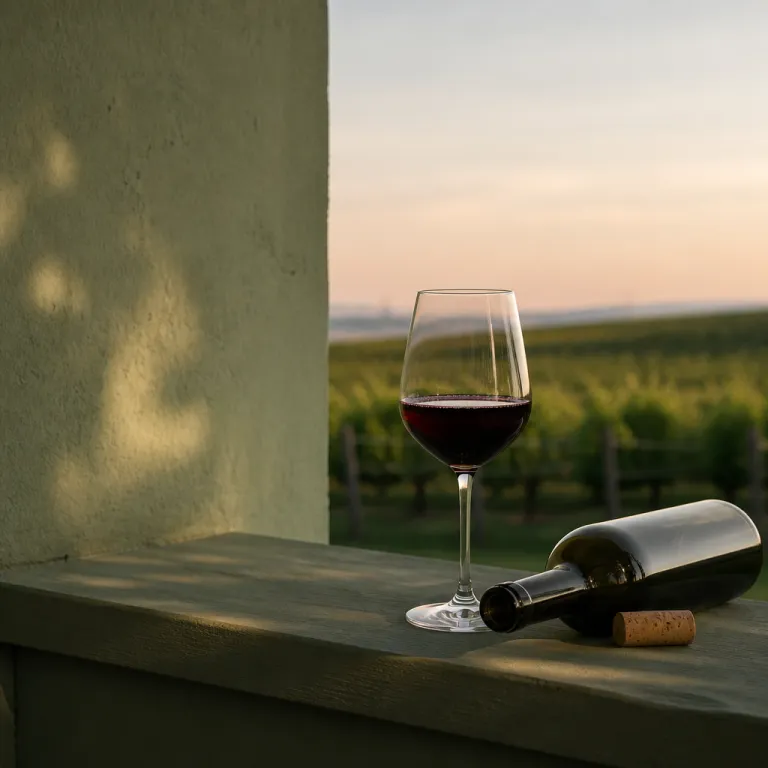
Villány wine region stay in Hungary’s southern heat pocket
Villány sits close to the Croatian border, wrapped in low hills and warm air. This southern edge of Hungary creates a microclimate where vines ripen earlier, and a villany wine region stay in Hungary feels almost Mediterranean in mood. Couples who arrive for one red wine tasting often end up planning their next villany wine region stay in Hungary before they have even checked out of the hotel.
This is Hungary’s premier red wine region, where cabernet franc, cabernet sauvignon, franc merlot and merlot cabernet blends are treated with almost obsessive care. Local Villány winemakers lean into the heat to craft structured red wines that can rival Bordeaux, while still tasting unmistakably like hungarian wine shaped by limestone soils. When you book a villany wine region stay in Hungary, you are not just reserving rooms ; you are stepping into a compact landscape of more than 60 wineries strung along Ady Endre utca.
Villány wines are known for depth, yet the town itself is disarmingly relaxed. Many wineries keep their cellar doors open for informal wine tastings in the afternoons, so you can wander between wineries without a rigid wine tour schedule. As the local tourism board puts it, “Villány is renowned for its full-bodied red wines, especially Cabernet Franc and Kékfrankos.”
Where to stay: from cellar doors to full service wine hotels
For couples, the most seamless villany wine region stay in Hungary usually means sleeping above or beside a working winery. Bock’s wine hotel on the main street is often described as Villány’s most complete wine hotel, with generous rooms, a compact spa and direct access to the cellars for a late evening wine tasting. If you want the hotel to feel like part of the landscape itself, look at rural wine country stays similar in spirit to those featured in rural eco retreats reshaping Hungarian hospitality.
Gere’s estate combines a polished hotel wing with cellars carved into the hillside, so you move from cabernet franc barrel rooms to your own rooms in a few quiet steps. Couples who care about architecture often gravitate to Sauska’s contemporary winery, where clean lines frame views over the region and the tasting room feels like a gallery for red wines. Across these properties, you will find thoughtful food pairings, from slow cooked dishes that match powerful villany wines to lighter plates that let a single red wine or sauvignon cabernet blend shine.
Most higher end hotels in Villány offer small spa areas rather than vast resort complexes. Expect saunas, a pool and sometimes vinotherapy treatments that use grape seed oils from local wines Villány producers. When comparing options, Bock works well for guests who want everything under one roof, while Gere’s hotel suits couples who like a slightly more discreet base with easy access to multiple wineries and the wider wine regions of southern Hungary.
Signature grapes, cellar walks and how to structure a two night stay
A villany wine region stay in Hungary works best at an unhurried pace, especially for couples. Plan two or three nights, with one day focused on the Ördögárok wine walk that threads along the main street, linking cellar after cellar for relaxed wine tasting sessions. The second day can stretch further into the region, combining a guided wine tour with time at your hotel spa before a long dinner built around local food and hungarian wine.
Villány’s calling card is cabernet franc, which here produces dense yet surprisingly elegant red wines under both Villány Classicus and Villány Premium classifications. You will also meet cabernet sauvignon, franc merlot and merlot cabernet blends, plus lighter Portugieser and Kékfrankos that show another face of villany wines. Many Villány winemakers now emphasise sustainable viticulture, so a wine tour often includes vineyard walks where you can see how the warm, dry climate near the Croatian border shapes each villany wine.
To balance all that wine, build in cultural and wellness detours. Pécs lies about 30 minutes away by car, pairing a villany wine region stay in Hungary with galleries, early Christian tombs and café lined squares. For a different kind of soak, Harkány’s thermal baths are roughly 15 minutes from Villány, and you can even extend the wellness theme at larger resort style properties elsewhere in the country, such as those highlighted in this guide to Hungary’s resort hotels outside Budapest.
Practicalities: getting to Villány, when to go and how to book
Reaching Villány is straightforward, which helps when you are planning a villany wine region stay in Hungary from abroad. From Budapest, the drive takes around 2 hours 30 minutes by motorway, while trains to Villány Siklós run in roughly 3 hours with a change in Pécs. Many couples choose to rent a car so they can explore Hungary beyond the capital, combining a few nights in Villány with time in Pécs or a Danube side hotel in Budapest.
The southern microclimate makes Villány warmer and drier than much of Hungary, so the best season for a villany wine region stay in Hungary runs from June through October. May and early June bring fresh greens in the vineyards and slightly cooler evenings, while late summer and early autumn are ideal for tasting red wines at their most expressive. September is particularly atmospheric, as harvest activity fills the wineries and the town leans fully into its role as Hungary’s flagship red wine region.
One of Villány’s charms is how informal the wine culture remains. Local guidance is clear : “Do I need to book wine tastings in advance? No, most cellars welcome walk-in visitors in the afternoons.” That said, for structured wine tours, special cabernet franc vertical tastings or spa packages at Bock or Gere’s hotel, advance reservations are wise, especially on weekends when more guests arrive to explore Hungary Villány and its neighbouring wine regions.
Designing a couples’ itinerary: when the hotel and the vineyard are the experience
Think of a villany wine region stay in Hungary as a chance to let the landscape set your schedule. Mornings are slow, with breakfast on the terrace, a short stroll through the vines and perhaps a quick dip in the hotel spa before the heat builds. Afternoons belong to wine tasting, moving between wineries on foot or by bicycle, then returning to your rooms to change for dinner as the light softens over the region.
Evenings are where Villány excels for couples who value atmosphere as much as wine. Many estates host vineyard dinners under walnut trees or in courtyards, pairing multi course menus of regional food with flights of villany wines, from young red wine to mature cabernet sauvignon and nuanced sauvignon cabernet blends. If you want to deepen your understanding of hungarian wine beyond Villány, consider linking your trip with a family friendly Budapest break using this guide to a Budapest weekend that explores Habsburg layers, then heading south to villany Hungary for quieter nights.
Over two or three days, you will likely taste wines Villány from several wineries, meet Villány winemakers in their own cellars and gain a feel for how this corner of hungary Villány differs from other wine regions. The combination of warm evenings, serious red wines and compact scale makes it easy to explore Hungary at a human pace, where the most important decisions are which winery to visit next and whether to linger a little longer over that final glass of villany wine.
FAQ
What wines is Villány best known for ?
Villány is best known for structured red wines, especially cabernet franc that often carries the Villány Premium designation. You will also find excellent cabernet sauvignon, merlot cabernet blends and lighter styles such as Portugieser and Kékfrankos. Together, these wines Villány expressions make the area a reference point for hungarian wine lovers who enjoy full bodied reds.
When is the best time for a Villány wine region stay in Hungary ?
The most comfortable period for a villany wine region stay in Hungary runs from late spring to mid autumn, when the southern microclimate near the Croatian border is warm but not oppressive. May and June are ideal for quieter cellar visits and fresh vineyard views, while September and October suit travellers who want to see wineries in harvest mode. Outside these months, some hotels and wineries reduce hours, so always check opening times before you travel.
Do I need to book wine tastings and tours in advance ?
For simple walk in wine tasting, advance booking is often unnecessary because many wineries open their cellars to casual visitors in the afternoons. If you want a guided wine tour, a focused cabernet franc or franc merlot flight, or a package that combines spa access with dinner at a hotel such as Bock or Gere, reservations are strongly recommended. Booking ahead is also wise during weekends and around harvest, when more guests arrive to explore Hungary Villány and its most popular wineries.
How long should couples stay in Villány ?
Most couples find that two or three nights provide a satisfying villany wine region stay in Hungary without feeling rushed. This allows one full day for the Ördögárok wine walk and nearby wineries, and another for a longer wine tour plus time in the hotel spa. If you plan to include side trips to Pécs or Harkány’s thermal baths, consider adding an extra night so that tastings, food and relaxation all have space.
How do I combine Villány with other Hungarian destinations ?
A common pattern is to start with a few nights in Budapest, then drive or take the train south for a villany wine region stay in Hungary focused on red wines and quieter evenings. From Villány, you can easily visit Pécs for culture or Harkány for thermal bathing, creating a compact loop through southern Hungary. This mix of city, spa and wine region gives a rounded view of the country without long travel days.