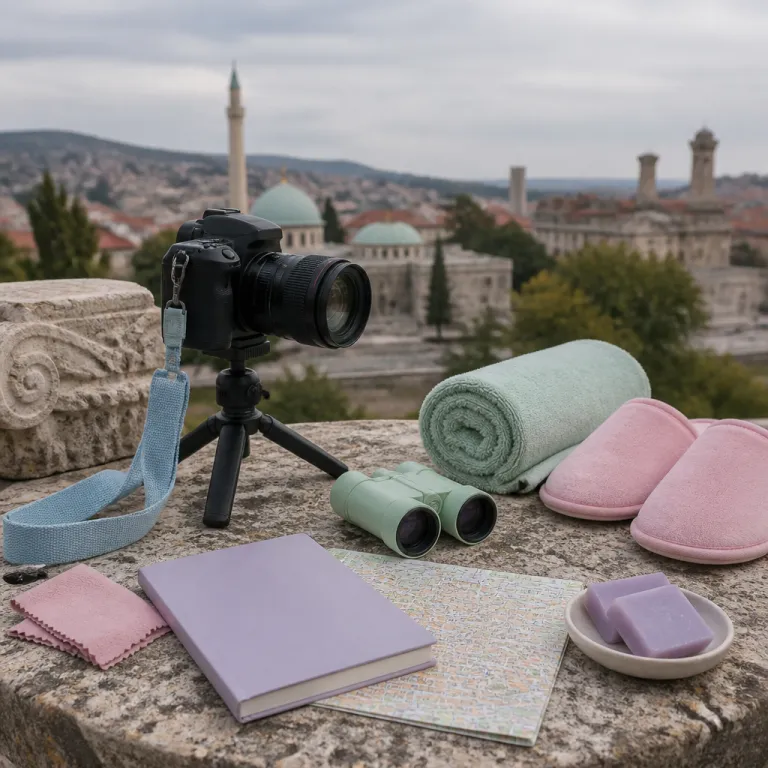
Why hotels in Pécs, Hungary suit the solo city escape
Pécs sits in southern Hungary with a soft, almost Mediterranean light. The city folds Roman ruins, Ottoman relics and café terraces into a compact core that feels made for a solo stay. When you start comparing hotels in Pécs, you realise the hospitality scene has not yet caught up with the cultural depth of this university town.
The UNESCO-listed Early Christian Necropolis lies a short walk from most central Pécs hotels, so you can check a sarcophagus before breakfast and still be back in your room for a late morning coffee. The site, managed by the Janus Pannonius Museum and described on the official UNESCO World Heritage Centre pages as the “Early Christian Necropolis of Pécs (Sopianae)”, means any hotel in Pécs, Hungary near the old Sopianae quarter gives you front row access to fourth century history. For a solo explorer, that proximity matters more than whether the property has a rooftop bar or a dramatic night view.
Street life is the real amenity here, and the best hotels in Pécs understand that their role is to frame the city rather than compete with it. Király Street and Széchenyi Square are lined with terraces where a single espresso can stretch into an hour of people watching under roughly 2,100 hours of annual sunshine, a figure often cited by local tourism materials. When you stay in the historic centre, you can step out of your air-conditioned room and be at a café table in under three minutes.
From a logistics perspective, Pécs, Hungary is straightforward. Direct InterCity trains from Budapest Keleti usually take around two hours and thirty to forty-five minutes according to MÁV-START, Hungary’s national rail operator, which makes a one night check-in in Pécs an easy extension to a capital stay. For solo travellers used to the polished grand hotel scene of Pest, where elegant hotels in Budapest dominate the skyline, the more understated local accommodation in Pécs will feel refreshingly uncurated.
Staying within history: from Roman tombs to Ottoman baths
Choosing between hotels in Pécs, Hungary is really about choosing your relationship to its layers of history. One direction from central Pécs takes you to the Early Christian Necropolis, where fourth century tombs sit beneath glass walkways. Another direction leads to the Mosque of Pasha Qasim on Széchenyi Square, now a Catholic church with its minaret still punctuating the city skyline.
When you check availability for any hotel address in the Belváros district, look carefully at the map rather than only at the price. A room facing the square might not promise a dramatic night view, yet it will give you the daily theatre of locals crossing between the mosque church, the cafés and the tram of visitors heading to the Zsolnay Cultural Quarter. That cultural campus, a reimagined porcelain factory, has become one of the most interesting properties in Hungary for design lovers, with galleries, workshops and performance spaces woven into the old industrial fabric.
Wellness is another historical thread that shapes where to stay in Pécs. The Pécs Thermal Baths operate Turkish-style pools and spa facilities, and the official city tourism pages confirm that several historic baths have been restored and are open to the public. If you choose a hotel in Pécs, Hungary within walking distance of these baths, your night check routine can include a late soak followed by a quiet stroll back through the city.
For solo travellers, this walkable scale is a luxury in itself. You can check into a modest grand style property, leave valuables in your room, and wander with only a key card and a phone. One recent guest described walking back from the baths at dusk as “like crossing a film set, with the domes and towers glowing above empty streets.” The most rewarding Pécs addresses are not about marble lobbies but about how easily they connect you to Roman crypts, Ottoman domes and the soft evening light that underpins the city’s “Hungarian Tuscany” reputation.
Reading the Pécs hotel landscape: what the reviews really say
The gap between Pécs, Hungary as a cultural heavyweight and its hotel infrastructure becomes clear the moment you start reading reviews. You will not find a dense cluster of international luxury flags here, and that is precisely why the city appeals to independent travellers. Instead, you navigate a patchwork of local hotels, apartman-style properties and a few historic addresses that hint at grand hotel ambitions.
When you check availability on any booking engine, filter first by location and then by guest score rather than chasing the lowest price. Properties in central Pécs often earn good reviews for walkability and staff warmth, even when the rooms are simple and the night view is limited to tiled roofs and church towers. Pay attention to phrases like excellent reviews for cleanliness, quiet rooms and air-conditioned comfort, because in a city with a micro Mediterranean climate, reliable cooling matters more than a flashy lobby.
Names recur as you scan hotel listings in Pécs. Palatinus Grand on Király Street is the closest thing the city has to a traditional grand hotel, with an Art Nouveau façade and public spaces that recall the Habsburg era, while Hotel Laterum sits further out and caters more to conferences and groups than to design-focused solo travellers. Sandor Hotel, often written as Sándor Hotel, positions itself as a comfortable city base with wellness facilities, and its central Pécs location makes it practical for travellers who want to walk everywhere.
Guest feedback for these Pécs hotels tends to highlight service rather than spectacle. You will see good reviews for helpful reception teams who arrange tickets for the Zsolnay Cultural Quarter or explain how to reach the Early Christian Necropolis on foot. When you read reviews night after night while planning, look for consistent patterns rather than isolated complaints, and remember that a property with solid, excellent reviews for sleep quality and staff can be a better place to stay in Pécs than a flashier address with uneven service, especially if your trip blends work and leisure as it might in Budapest, where a business trip hotel that runs into the weekend demands a different set of priorities.
Room types, apartman stays and how to interpret availability
Accommodation vocabulary in Pécs, Hungary can be confusing if you are used to large city hotel markets. Alongside classic hotel listings, you will see many properties described as apartman or apartman Pécs, which usually means self-contained apartments with kitchenettes rather than full service hotels. For a solo traveller who values privacy and space over a staffed lobby, these can be a smart way to stay in Pécs without sacrificing comfort.
When you open the details page for any property, check whether the rooms are explicitly described as air-conditioned and whether Wi‑Fi is free and reliable. In summer, Pécs can feel warmer than much of Hungary, and an air-conditioned room is not a luxury but a baseline requirement for a good night. Availability calendars sometimes show only one or two remaining rooms, so it pays to check availability across several dates if your schedule is flexible.
Think carefully about how many nights you want in the city versus the surrounding wine country. A classic pattern is to book one night in central Pécs, then another night in the Villány wine region, which lies about thirty minutes south and is often described as Hungary’s answer to Bordeaux for structured reds. In that case, a compact city hotel room with a good bed and quiet corridor is enough, because your second night view will be over vineyards rather than rooftops.
For longer stays, an apartman Pécs option with a separate bedroom and living area can feel more like a temporary home. You trade the instant service of a grand hotel for the ability to stock a fridge with Villány bottles and local cheeses, then return after a day of Roman ruins and Turkish baths to a private space. If you are curious about how rural properties across Hungary are redefining hospitality, the broader context of landscape-driven stays is explored in depth in this piece on rural eco retreats reshaping Hungarian hospitality, which pairs well with a Pécs and Villány itinerary.
Designing a Pécs and Villány itinerary around your hotel
Think of your chosen hotel in Pécs, Hungary as a lens rather than a destination. A central Pécs base lets you move easily between the Early Christian Necropolis, the Mosque of Pasha Qasim and the Zsolnay Cultural Quarter without ever needing a taxi. That walkable triangle is what makes the city such an appealing overnight stop for solo travellers who prefer to explore on foot.
Start your first day with a morning visit to the Roman tombs, when the site is quiet and the light is soft enough for careful photography. From there, drift back through the city to Széchenyi Square, where terraces spill out from cafés and restaurants, and choose a table with a partial night view of the illuminated mosque church if you plan to linger after sunset. The Pécs Tourism Office, which promotes both attractions and accommodations, can help you check opening hours and suggest guided tours or self-guided routes using interactive digital maps.
On your second day, use your Pécs hotel as a staging point for Villány. Trains and buses connect the city to this compact wine region, where family-run estates pour Cabernet Franc and Kékfrankos in cellars that feel a world away from the Ottoman domes of Pécs, yet lie less than an hour from your room. Many travellers choose to spend one night in a Villány wine estate and then return to Pécs for a final night check, balancing rural quiet with the café culture that gives the city its “Hungarian Tuscany” label.
Throughout this itinerary, keep an eye on practicalities. Wear comfortable walking shoes, book spa appointments at the Pécs Thermal Baths in advance, and always double check availability hotel-wide if you are adjusting dates at short notice. The reward is a stay in Pécs where your property, whether a modest grand address like Palatinus Grand or a simple apartman, becomes a calm base for moving between Roman crypts, Turkish steam and the Mediterranean fringe of Hungary.
FAQ
What are the main Roman sites near hotels in Pécs, Hungary ?
The key Roman site near most central hotels in Pécs, Hungary is the Early Christian Necropolis, a UNESCO World Heritage ensemble of fourth century tombs and chapels. It sits just north of the cathedral and is managed by the Janus Pannonius Museum, which oversees preservation and visitor access. Many Pécs hotels in the Belváros district are within a ten to fifteen minute walk of the entrance.
Are the Turkish baths in Pécs still operating for visitors ?
Several historic Turkish-style baths in Pécs have been restored and operate as modern wellness facilities under the umbrella of Pécs Thermal Baths. Visitors can book spa appointments for thermal pools, saunas and treatments, often combining a daytime soak with an evening stroll back to their hotel. It is wise to check availability and opening hours in advance, especially during weekends and holidays.
How many nights should I plan to stay in Pécs and Villány ?
A balanced itinerary for solo travellers usually includes one or two nights in Pécs and one night in the Villány wine region. One night in a central Pécs hotel allows time for the Early Christian Necropolis, the Mosque of Pasha Qasim and an evening on Széchenyi Square, while a second night gives space for the Zsolnay Cultural Quarter and a relaxed spa visit. Adding a Villány night lets you experience Hungary’s leading red wine region without rushing back to the city.
Is Pécs a good choice for solo travellers compared with Budapest ?
Pécs is smaller and more intimate than Budapest, with a historic core that is easy to navigate on foot and a slower rhythm that suits solo exploration. Direct trains from Budapest Keleti make it simple to add one or two nights in Pécs to a longer capital stay, especially if you enjoy art, history and café culture. Travellers who prefer quieter streets and close contact with local life often find Pécs a rewarding contrast to the grand hotel avenues of Pest.
When is the best time of year to book hotels in Pécs, Hungary ?
Pécs receives around 2,100 hours of sunshine annually, and its mild southern climate means you can visit comfortably in most seasons. Spring and autumn are particularly pleasant, with warm days for walking between sites and cooler nights for sleeping, while summer brings a stronger Mediterranean feel to the terraces of Király Street and Széchenyi Square. Whenever you plan to travel, check availability early for central hotels across Pécs, especially if your dates coincide with festivals or major cultural events.