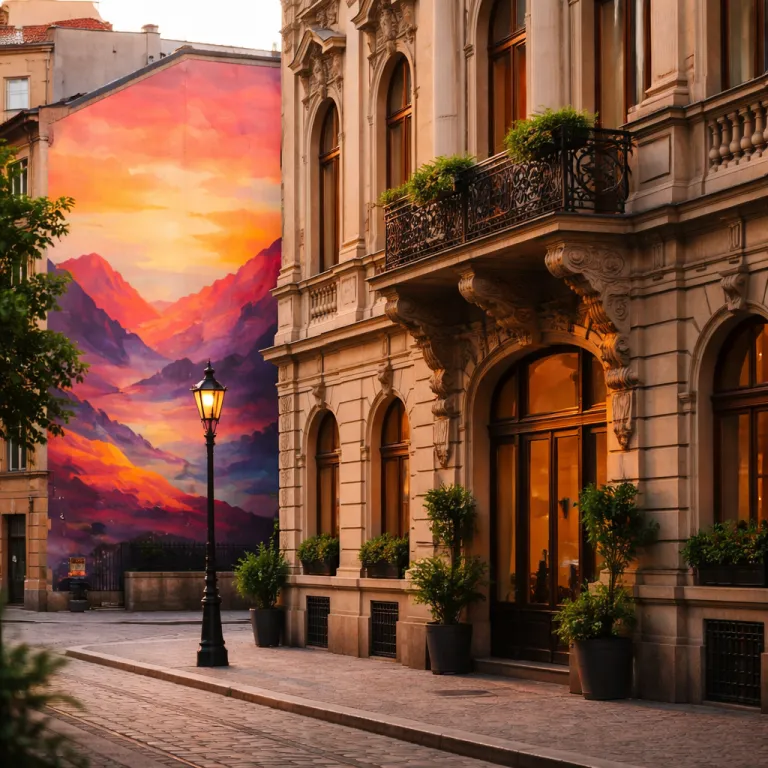
Budapest neighborhoods hotel guide for luxury minded solo travelers
Choosing where to stay in Budapest is really choosing your version of the city. This Budapest neighborhoods hotel guide focuses on the luxury and premium hotels that shape each district, so your stay aligns with how you like to move, eat and explore. For a solo explorer, the right neighborhood and the right hotel can turn a short Budapest escape into a deeply personal city story.
Budapest is split by the Danube River into hilly Buda and flat Pest, and each side offers a distinct hospitality personality. On the Buda side, the castle area feels almost like a self contained hilltop village, while Pest’s inner districts form a dense grid of restaurants, cafés, craft beer bars and grand hotels facing the water. When you choose a Budapest district, you are also choosing how close you want to be to the city center, nightlife, heritage architecture and the most atmospheric streets.
For premium stays, the main focus areas are District I around Budapest Castle, District V along the riverfront, District VI around Andrássy Avenue and District VII in the Jewish Quarter. Each district offers different types of hotel experiences, from river facing grande dames with large rooms to intimate design focused properties hidden in courtyards. This Budapest neighborhoods hotel guide will help you read availability prices with more context, so when you check availability you understand what the district is really offering beyond the star rating.
District V and the Danube curve: grand hotels and riverfront ritual
District V is Budapest’s postcard, the Pest side riverfront where Habsburg era façades line the Danube River in a near continuous hotel corridor. Here the city center luxury experience is defined by uninterrupted water views, easy access to the Chain Bridge and a front row seat to the Parliament building’s nightly illumination. If your ideal Budapest moment is watching trams glide past while room service clears your breakfast tray, this district is your natural starting point.
Along this stretch you find some of the best hotels Budapest can offer for classic five star service, including Four Seasons Gresham Palace and the InterContinental facing the river. Rooms here tend to be larger than in the denser inner streets, and the most coveted categories are the Danube view suites that frame both Buda Castle and the hills of Buda beyond. Availability can tighten quickly during peak events, so always check availability early if you want those river facing rooms at the best availability prices rather than settling for rear facing categories.
The trade off in this neighborhood is tourist density, because District V is also where many tours Budapest departures begin and where river cruise passengers disembark. You gain a convenient base for walking to the castle district via the Chain Bridge or crossing to the Jewish Quarter in District VII, but you lose some of the local residential feel that defines other areas. As one concierge at a long established riverfront hotel put it, “guests love waking up to the Danube, but they often spend evenings in quieter streets a few blocks back.” For a deeper breakdown of which central district suits which travel style, the detailed guide on where to stay in Budapest for a refined and memorable city escape is an essential booking read before you commit to a specific address.
District I and Buda Castle: hilltop calm and heritage views
Across the Danube River, District I offers a completely different way of experiencing Budapest, even though it faces the same skyline. The castle district sits on a plateau above the city, with cobbled streets, Baroque houses and the Matthias Church spire rising above red tiled roofs. If you prefer to stay in a quieter area where the city feels almost like a historic village after dark, this is the Budapest district that will speak to you.
Hotels in the Buda Castle area lean towards heritage properties and established international names, with Hilton Budapest anchoring the main square near the Fisherman’s Bastion. Rooms here often trade river views for panoramas over Pest’s city center, and the best categories frame the Parliament building and the bridges in a single sweep. According to recent rate snapshots from major booking platforms, five star castle district rooms can start around €180–€220 per night in shoulder season, so it is worth checking availability for castle facing rooms even if you usually assume hilltop views are beyond budget.
Staying in District I means accepting a little less nightlife on your doorstep in exchange for early morning walks along the castle walls before the tours Budapest groups arrive. The neighborhood is well connected by buses and the funicular, so reaching restaurants in Pest or the Jewish Quarter in District VII rarely takes more than fifteen to twenty minutes. One solo traveler described the rhythm as “coffee above the rooftops at sunrise, dinner in Pest, and then a quiet walk home under the castle walls.” For travelers who like to photograph architecture at blue hour and then retreat to calm, the Buda side castle district is one of the best places in the city to base an itinerary.
District VI and Andrássy Avenue: culture axis and lifestyle hotels
District VI stretches back from the river into Pest, anchored by Andrássy Avenue, Budapest’s grand boulevard of townhouses, embassies and theatres. This neighborhood balances cultural gravitas around the Opera House with a growing layer of lifestyle hotels and cocktail forward restaurants. If you want a city stay that mixes gallery visits with late night bar hopping, District VI offers a very convenient compromise between elegance and energy.
Along Andrássy Avenue you will find some of the city’s most design conscious hotels Budapest has launched in recent years, including W Budapest opposite the Opera. Rooms in this area tend to be more varied in size because many properties occupy converted mansions, so reading floor plans and checking availability for specific categories becomes more important. Availability prices can fluctuate sharply around major cultural events, and local tourism data show that international visitor numbers to Budapest have climbed back towards pre 2019 levels, so flexible dates often unlock better value in four and five star hotels that sit just off the main avenue rather than directly on it.
Food focused solo travelers will appreciate how District VI spills into neighboring streets filled with cafés, wine bars and craft beer spots that feel genuinely local rather than curated for tourists. The area also connects easily to the Jewish Quarter in District VII and to the Palace Quarter in District VIII, where Habsburg era architecture meets emerging creative spaces. If you are planning a wider Central European journey, the curated Hungary holiday packages for refined city stays can help you align your Budapest district choice with nights in other cities, so your overall booking read feels coherent rather than improvised.
District VII and VIII: Jewish Quarter energy, street art and palace echoes
District VII, often referred to as Erzsébetváros, is the city’s creative engine and the heart of the Jewish Quarter. Here, ruin bars, street art and small design focused hotels share the same courtyards, creating a neighborhood that feels both lived in and constantly in motion. If your ideal evening involves slipping from a gallery opening to a craft beer bar and then back to a stylish room, District VII will feel like home.
This area is also Budapest’s most important canvas for contemporary murals, with collectives such as Neopaint Works and organizations like Színes Város using blank walls as large scale artworks. As one local guide puts it, "District VII, the Jewish Quarter, is renowned for its vibrant street art scene." Platforms such as Budapestflow.com have documented dozens of major murals across these streets, turning façades into landmarks. Many hotels here integrate these visuals into their interiors, so your rooms might overlook a courtyard mural rather than a formal square, and availability prices often reward travelers who are comfortable staying a few blocks away from the noisiest streets.
Immediately to the east, District VIII’s Palace Quarter offers another layer of the city, where Habsburg era palaces line quieter streets and properties like Corinthia Budapest and the New York Palace bring five star grandeur to a still evolving area. This part of the city center feels more local once you step away from the main boulevards, with traditional restaurants, cafés and emerging craft beer venues tucked between residential buildings. For solo travelers who want both the best places for nightlife and a sense of architectural depth, alternating evenings between the Jewish Quarter in District VII and the Palace Quarter in District VIII can make a Budapest stay feel like moving between different cities without ever crossing the Danube River.
Matching your travel personality to the right Budapest district
Thinking of Budapest district by district helps you match your hotel choice to how you actually travel, rather than chasing a generic idea of the city. Cultural deep divers who want museums, riverfront promenades and easy access to tours Budapest operators will feel most at ease in District V or on the Buda Castle hill in District I. Food explorers and nightlife seekers often gravitate towards District VII and VI, where restaurants, wine bars and craft beer venues cluster within a few minutes’ walk of most hotels.
Architecture photographers and urban flâneurs may prefer to stay in the castle district or the Palace Quarter, where Habsburg façades, restored palaces and quiet side streets reward early morning walks. Those who want a more local rhythm without sacrificing convenience often choose an area just beyond the densest tourist blocks, such as the streets behind Andrássy Avenue or the residential edges of the Jewish Quarter. When you check availability, look not only at star ratings and room size but also at how the hotel’s immediate neighborhood aligns with your preferred pace of exploring Budapest.
Solo travelers in particular benefit from reading a Budapest neighborhoods hotel guide as closely as they read individual property reviews, because the right district can make a short stay feel both safe and stimulating. A grand riverfront address in District V might be the best choice for a first visit, while a return trip could focus on a more intimate property in District VII or VIII. Over several stays, you will likely find that your personal best places in the city shift from the obvious postcard views of Buda Castle and the Danube River to the side streets where local life, street art and heritage architecture quietly intersect.
Beyond Budapest: extending your city escape across Hungary
Once you understand how each Budapest district shapes your stay, it becomes easier to design a wider Hungarian itinerary that balances city intensity with quieter escapes. Many travelers now pair a few nights in the city center with time in wine regions or spa towns, using Budapest as both gateway and cultural anchor. The key is to treat your Budapest neighborhoods hotel guide as the urban chapter of a longer story rather than the whole book.
For wine focused solo explorers, heading east to Tokaj after a few nights in District V or VII offers a shift from Danube River views to vineyard slopes and cellar doors. The in depth piece on the Tokaj trail and the village inns that pour real Furmint shows how easily a city break in Budapest can segue into a countryside tasting journey. Similar pairings work with Lake Balaton or the spa towns of Western Hungary, where smaller hotels replace grand city center properties but the emphasis on attentive service and sense of place remains.
Guest nights in greater Budapest have been rising strongly for foreign arrivals, with official tourism statistics reporting millions of international overnight stays each year and steady growth in recent seasons. That increase is especially visible in inner districts like V, VI, VII and VIII, where new hotels and renovated heritage properties continue to open in response to demand. For travelers using a luxury and premium hotel booking platform, this means more choice across every area of the city, but also more reason to read each Budapest district description carefully before you check availability and commit to a particular neighborhood for your next journey.
Key figures for Budapest’s urban art and district appeal
- Budapest tourism and local culture platforms highlight several inner districts for notable street art, with District VII, District VIII and parts of the city center concentrating many large scale murals; this reinforces the appeal of staying near the Jewish Quarter for travelers interested in contemporary urban culture.
- Dozens of major murals have been documented across the city by platforms such as Budapestflow.com, illustrating how organizations like Neopaint Works and Színes Város have turned blank walls into cultural landmarks that influence neighborhood character and hotel demand.
- Guided street art and architecture tours now operate regularly in the Jewish Quarter and the Palace Quarter, reflecting growing international recognition of Budapest’s blend of Habsburg architecture and modern murals and adding experiential value to hotels located in these areas.
- Recent Budapest tourism reports show a clear rise in foreign guest nights in greater Budapest, with inner districts V, VI, VII and VIII capturing a significant share of this increase as new luxury and premium hotels open in restored historic buildings.
FAQ about Budapest districts and luxury hotel stays
Which Budapest district is best for a first time luxury stay ?
For a first visit focused on classic views and easy sightseeing, District V along the Danube River is usually the best choice. You are close to major landmarks, river promenades and many tours Budapest departures, and you can walk easily to the Chain Bridge and across to Buda Castle. The trade off is higher tourist density, so some travelers prefer to sleep in District I or VI and visit District V during the day.
Where should I stay for street art, nightlife and a creative atmosphere ?
District VII, especially the Jewish Quarter, is the city’s main hub for street art, ruin bars and independent galleries. Many travelers choose hotels here to be within a short walk of restaurants, craft beer bars and live music venues that feel distinctly local. District VIII’s Palace Quarter offers a slightly quieter alternative with grand architecture and emerging creative spaces.
Is Buda or Pest better for a quiet but central stay ?
Buda, particularly District I around the castle district, offers a quieter hilltop environment with panoramic views over the city center and the Danube River. Pest’s inner districts, such as VI and the edges of VII and VIII, can also feel calm if you choose streets away from the busiest nightlife blocks. Your choice depends on whether you prefer village like calm above the river or a more urban feel with quick access to multiple neighborhoods.
How far in advance should I book a luxury hotel in Budapest ?
For peak seasons and major events, it is wise to check availability at least several weeks in advance, especially for riverfront rooms in District V or view heavy categories in Buda Castle hotels. Availability prices can rise quickly as key dates fill, and tourism board data show that foreign guest nights in Budapest have been trending upward, so flexible dates and early planning often secure better value. Shoulder seasons usually offer more options across all star levels and districts.
Are there guided tours focused on Budapest’s street art and architecture ?
Yes, several local organizations and guides run tours Budapest visitors can join that focus specifically on street art in District VII and historic architecture in District VIII’s Palace Quarter. These walks often highlight works by collectives such as Neopaint Works and projects supported by Színes Város, giving context to the murals you see near your hotel. Joining one early in your stay can help you read each neighborhood’s layers more clearly as you explore on your own.