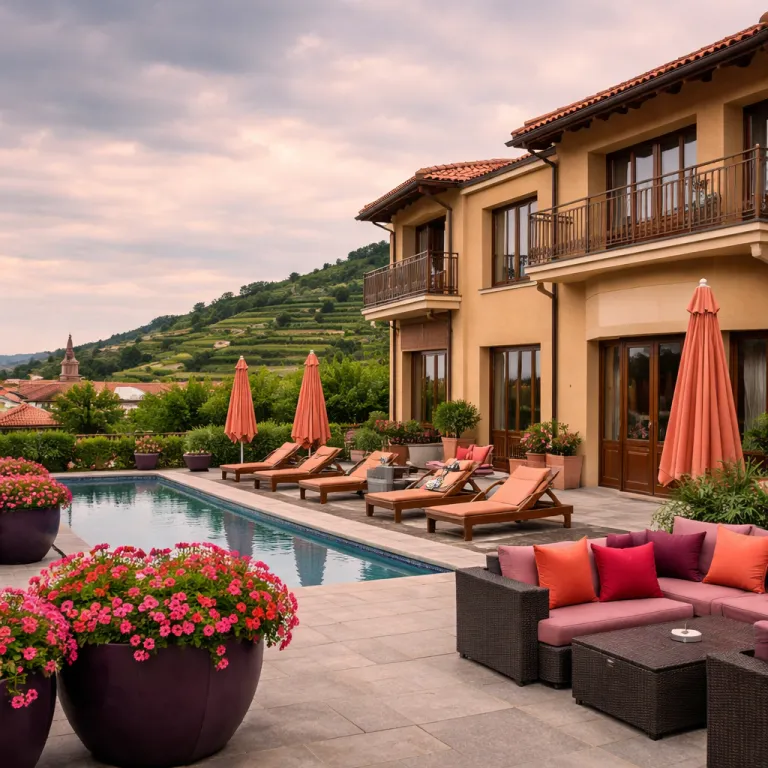
How to choose the best hotels in Western Transdanubia for a relaxing stay
Why Western Transdanubia is worth planning your stay around
Thermal steam rising over dark pine trees at dawn; that is often the first memory guests keep from Western Transdanubia. This western region of Hungary, stretching roughly between the Austrian border and Lake Balaton, is built for unhurried days, long soaks and unpretentious comfort. If you are choosing a hotel in Western Transdanubia, you are really choosing a rhythm of stay rather than just a bed for the night.
Wellness culture runs deep here. Many hotels offer direct or easy access to thermal pools, saunas and quiet spa wings, so you can move from breakfast to pool in a few steps and stay there until the church bells ring at noon. The most popular destinations are compact towns where everything is walkable, from the main square to the baths and the riverside paths, which makes them friendly for first-time visitors who want to check in and forget about logistics.
Compared with Budapest or the Balaton party shore, Western Transdanubia feels slower, softer, more central European. You come here to enjoy space, greenery and attentive but discreet service. For many travelers, the best hotels in this region are not about showy lobbies; they are about generous pools, quiet rooms, reliable parking and a sense that the staff recognise you by the second morning.
Key destinations and how they differ
Thermal towns define the map. In the north-west, close to the Austrian border, spa resorts cluster around long-established hot springs, while further south you find lakeside retreats and forest-backed wellness hotels. Each pocket of Western Transdanubia has its own character, and choosing the right base matters more than it does in larger cities.
Sárvár is the obvious name if you want a classic spa town stay. The hotels here sit within a few minutes’ walk of the thermal complex and the Nádasdy Castle, and the town centre around Kossuth tér is compact enough that guests can stroll out for an evening drink after a day in the pool. Families often gravitate here because many properties offer large indoor and outdoor pools, slides and play corners, while couples may prefer quieter wings facing the park or the small lake.
Further west, near the 47.0° N, 17.0° E axis, you will find hotels that lean into forest and countryside rather than town life. These are better if you want to combine spa time with cycling, long walks or cross-border day trips into Austria. Around the northern shore of Lake Balaton, some Western Transdanubia hotels offer a different mood again; think wine hills, reed-fringed water and sunset swims, with wellness facilities as a refined extra rather than the main event.
What to expect from hotels in Western Transdanubia
Rooms in this region tend to prioritise function and rest over theatrical design. Expect solid beds, blackout curtains and practical layouts that work well for guests staying several nights, often in bathrobes between the room and the spa. Many hotels in Western Transdanubia are used to repeat visitors who come back every year for the same thermal cure, so the service culture is quietly efficient rather than overly chatty.
Pools are the real centrepiece. A typical transdanubia hotel will offer at least one thermal pool, often indoors, plus a cooler swimming pool and sometimes a family zone with shallow areas for children. In the better properties, you can move between different water temperatures, whirlpool corners and relaxation rooms without ever stepping outside, which makes winter stays surprisingly enjoyable. When you compare hotels, check the pool layout carefully; some are clearly designed for wellness and calm, others for play.
Parking is usually straightforward. Many hotels western of Budapest sit on the edge of town or in low-rise neighbourhoods, so they can offer on-site parking or a dedicated lot, which is a relief if you are driving in from Vienna or Bratislava. Pet friendly options exist, but policies vary; some hotels welcome small dogs in specific room categories, others restrict pets entirely from spa areas, so it is worth verifying this detail before you commit to a longer stay.
Choosing the right style of stay: spa, family, or quiet retreat
Not every hotel western Transdanubia offers the same atmosphere. Some feel like full-scale spa complexes, others like relaxed country houses with a pool added on. Being clear about your priorities will help you avoid the wrong kind of “popular”.
If wellness is your focus, look for hotels that highlight their thermal pools and treatment wings rather than just a generic indoor pool. These properties usually offer multiple pools with different mineral compositions or temperatures, quiet zones where phones are discouraged, and a daily rhythm built around treatments, from morning massages to late-afternoon soaks. Guests here tend to move slowly, speak softly and treat the hotel almost as a private health club.
Families, by contrast, will be happier in friendly hotels that openly court children. Think kids’ corners near the restaurant, shallow pools with small slides, and flexible bed configurations that can handle an extra child without feeling cramped. In Sárvár, for example, several large properties sit within a short walk of both the spa and the town’s adventure playground, so parents can alternate between structured pool time and spontaneous park runs. If you want a quiet retreat, steer away from these family hubs and look instead for smaller properties or bed and breakfasts on the edge of town, where the main soundtrack is birds rather than water features.
Practical checks before you book
Before you lock in a transdanubia hotel, a few concrete checks will save you disappointment. Start with location: in spa towns, being directly connected to or very close to the thermal complex can transform your stay, especially in winter when you will not want to walk 15 minutes in a robe. A hotel that looks slightly outside the centre on the map may still be only 500 metres from the main baths, so measure the distance rather than relying on vague descriptions.
Next, study the pool and spa offer in detail. Some hotels highlight “wellness” but only provide a single small indoor pool, while others have a full thermal circuit with multiple pools, saunas and relaxation rooms. If you plan to enjoy long days in the water, this difference matters more than the size of the lobby. For drivers, confirm whether parking is included, on-site, or in a nearby public lot; in compact historic streets, such as those around the old core near Sárvár’s castle, on-street spaces can be limited.
Pet owners should verify pet friendly policies line by line. Check whether pets are allowed in all room types, whether there are size limits, and if there are restricted floors or wings. Finally, look at room descriptions with a critical eye. If you value a firm bed, a balcony or a quiet courtyard view, do not assume they come as standard; Western Transdanubia hotels vary widely in how they configure and describe their rooms, and the best match is rarely the first option suggested by an automated system.
Who Western Transdanubia suits best
Travelers who enjoy slow mornings and structured relaxation will feel at home here. If your idea of a good trip is to wake up, enjoy an unhurried breakfast, then drift between pool, lounger and light walks without ever checking your watch, Western Transdanubia is a strong choice. The region’s hotels are built for multi-night stays rather than quick overnights, and many guests return year after year for the same familiar routine.
Couples looking for calm will appreciate the quieter spa-focused properties, especially outside school holidays. These hotels highly value repeat guests and tend to remember preferences, from which side of the bed you favour to whether you like a later check-out. Solo travelers, including those on wellness breaks, also fit well here; the atmosphere in most dining rooms is relaxed enough that eating alone does not feel conspicuous.
Families with children will find plenty of options, particularly in and around Sárvár and other spa towns where hotels pool their attractions with nearby playgrounds and parks. However, if you are seeking nightlife, edgy design or a dense restaurant scene, this is not the top region in Hungary for you. Western Transdanubia is about thermal water, green views and the quiet satisfaction of a day well spent, not about staying out until dawn.
Alternatives and how to compare them
Some travelers hesitate between a full-service hotel and smaller bed and breakfasts in Western Transdanubia. The trade-off is clear. A larger hotel will usually offer extensive pools, on-site wellness and structured activities, while a guesthouse or small inn might give you more local character and a closer connection to the surrounding village or countryside. If daily spa access is central to your plan, the hotel wins; if you prefer to drive to different baths and explore multiple destinations, a simpler base can work well.
Within the hotel category, compare not just star ratings but the balance between spa, room comfort and setting. A property on a quiet side street like those branching off Sárvár’s Rákóczi utca may offer less dramatic views but far more restful nights than a place right on the main road. Some hotels western of the main spa towns lean into nature, with forest edges or small lakes on site, which can be ideal if you enjoy early-morning runs or sunset walks after dinner.
Finally, think about how you like to enjoy your evenings. If you want to stroll out to a café, listen to a local band in the square or simply people-watch, choose a hotel within easy walking distance of the town centre. If your perfect stay is all about reading on the balcony, dipping into the pool and turning in early, a more secluded property with strong in-house facilities will feel like the best choice, even if it means fewer restaurant options at your doorstep.
Is Western Transdanubia a good choice for a first trip to Hungary?
Western Transdanubia works very well for a first trip if you value calm, nature and wellness over big-city energy. You will experience Hungary’s thermal culture in depth, stay in friendly hotels with generous pools, and enjoy compact towns that are easy to navigate, especially if you are driving in from neighbouring countries.
What type of hotels can I expect in Western Transdanubia?
The region offers mainly mid to large-scale spa and wellness hotels, alongside smaller bed and breakfasts and guesthouses. Many properties focus on thermal pools and relaxation areas, while others cater more to families with play zones and child-friendly pools, so you can choose according to the atmosphere you prefer.
Is Sárvár a good base for exploring Western Transdanubia?
Sárvár is an excellent base if you want a classic spa town feel with everything close at hand. From most hotels you can walk to the thermal complex, the castle and the main square, and you are well placed for day trips to other Western Transdanubia destinations by car.
Are there pet friendly hotels in Western Transdanubia?
Yes, several hotels in Western Transdanubia accept pets, often with specific room categories or floor restrictions. Policies differ widely, so it is important to check in advance whether pets are allowed in your preferred room type and whether there are any limits on access to public areas.
How long should I stay in Western Transdanubia?
A stay of three to five nights suits most travelers who want to enjoy the pools, explore one or two spa towns and take a couple of countryside walks. If you are planning a wellness-focused break with daily treatments, a full week allows you to settle into the slower rhythm that defines the region.