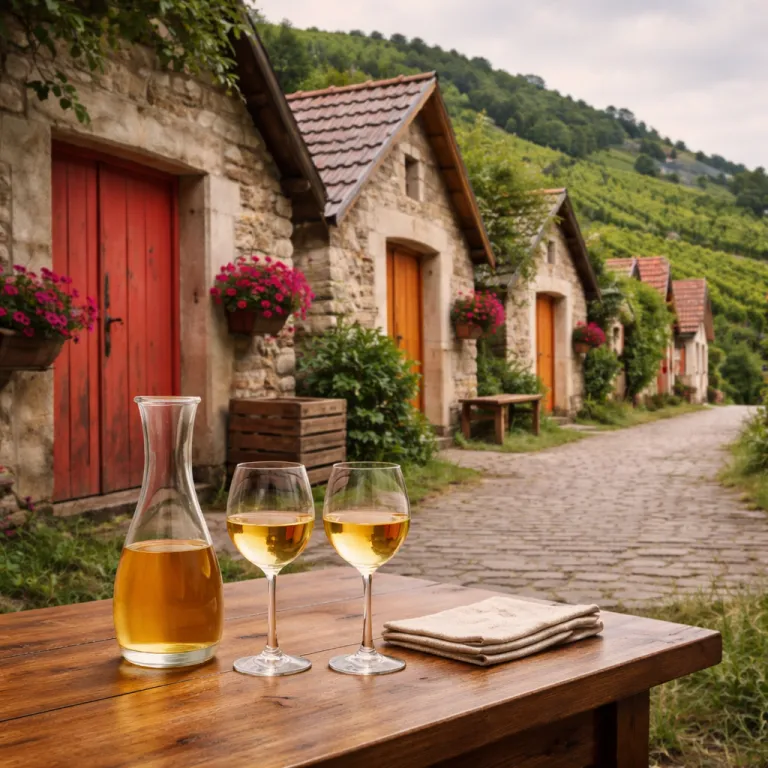
Why tokaj wine region hotels finally match the wines
Tokaj has always been about wine first, and everything else second. The cellars carved into volcanic rock, the slow mists over the Bodrog, and the legendary sweet Tokaj wine shaped a region long before anyone spoke about luxury stays. Now a new generation of Tokaj hotels and wine estates is quietly aligning hospitality with the depth already found in the glass.
For a solo traveler, this shift matters because the best hotel in a wine region should feel like an elegant base camp, not a sealed resort. You want rooms that are calm yet characterful, a spa hotel that understands you might return from vineyard tours with muddy shoes, and a wine bar where the staff can talk Furmint vintages as fluently as they handle your credit card. In Tokaj, that balance is finally appearing in a handful of carefully run estates, village houses, and one or two discreet castle hotel conversions that respect both local life and visiting guests.
The region of Tokaj Hegyalja is compact, so you can stay in one place and still explore several wine villages in a long weekend. Many of the most interesting Tokaj wine region hotels sit within walking distance of a serious winery, which means you can taste multiple wines without worrying about driving back. According to figures regularly cited by the Tokaj Wine Region Historic Cultural Landscape management plan and regional wine associations, Furmint dominates plantings here, and that focus now shapes how accommodation, tasting rooms, and cellar programs are designed. Book early in harvest season, because wine tourism has grown fast and the finest rooms in this corner of Hungary are limited.
The furmint primer for thoughtful hotel guests
Understanding Furmint will shape how you choose between different places to stay in Tokaj. Furmint is a white grape variety used in Tokaj wines, and it is responsible both for the region’s historic sweet wines and the increasingly important dry styles that pair beautifully with contemporary Hungarian dishes. The Tokaj Wine Region World Heritage documentation and local professional bodies regularly note that roughly sixty percent of the region’s vineyards are planted with this grape, which explains why most serious wineries and guest houses build their wine lists around it.
Dry Furmint is sharp, mineral, and often saline, a fine match for river fish, smoked trout, and the lighter plates now appearing in local fine dining rooms. Tokaji Aszú, the sweet expression, is richer and honeyed, usually poured at the end of a meal or with blue cheese, and the best properties will offer both styles by the glass in their wine bar. When you compare hotels, look for those that highlight Furmint flights, collaborate with a nearby winery estate, or host tastings that explain why this grape has become a flagship for Hungary’s volcanic wine regions.
Some of the most rewarding Tokaj accommodations build their entire guest experience around this grape and its wines. They might arrange private cellar visits at a partner winery, send you out with a map of walking paths between vineyards, or host a small evening seminar on the difference between single-vineyard Furmint and blended village wines. For a solo explorer, this kind of programming turns a simple stay in Hungary into a quietly educational retreat, especially when staff can point you toward producers such as Barta or Tokaj Kikelet and explain why their bottlings have become reference points for modern dry Tokaj wine.
Sleeping above the cellar: estate stays and wine houses
Staying on a working wine estate in Tokaj changes your sense of time. You wake to the sound of tractors in the vines, walk past stacked barrels on your way to breakfast, and end the day with a glass of dry Furmint poured by someone who helped make it. These cellar-door stays are the most immersive form of Tokaj wine region hotels, and they suit independent travelers who prefer proximity to the action over polished anonymity.
Properties attached to a winery often have only a handful of rooms, sometimes carved out of an old wine house or a restored press building, which keeps the atmosphere intimate. You might stay above a cellar similar in spirit to Götz Winery Cellar in Hercegkút or Füleky Tokaj Pincészet in Bodrogkeresztúr, both regularly mentioned in regional wine tourism guides, where the focus remains firmly on Tokaj wines and the daily rhythm of the vineyard. Expect simple but fine finishes, thick walls that hold the cool of the rock, and shared terraces where guests swap notes about which wine village they will explore next.
Many of these estates now understand that a solo guest may want structured options without feeling trapped in a group. They arrange vineyard tours that you can join at the last minute, offer credit for in-house tastings as part of your room rate, or send a short newsletter before arrival outlining seasonal cellar activities. Wine tourism in this region of Hungary runs across all four seasons, with budding vines in spring, full canopy walks in summer, harvest in autumn, and atmospheric barrel tastings in winter, so you can choose the mood that suits you best.
Where wine meets wellness: the rise of the wine spa hotel
A small but growing group of Tokaj wine region hotels is experimenting with the idea of a wine spa. Here, the same volcanic soils and grape skins that shape Tokaj wine inspire treatments, from antioxidant-rich baths to grape seed oil massages, usually paired with a serious cellar program. For solo travelers, this combination of spa hotel calm and wine village authenticity can be ideal after long days on the road.
Look for properties that integrate wellness into the landscape rather than hiding it in a basement, with pools facing the hills and saunas that open onto vineyard views. The best examples work closely with a local winery, offering curated flights after treatments, and they often highlight producers such as Barta in their wine lists to underline the connection between terroir and relaxation. This is also where Hungary’s broader sustainability shift becomes visible, with some estates aligning their spa operations with low-impact energy use and careful water management, a trend explored in depth in regional discussions of quiet sustainability as a new form of luxury.
Do not expect every spa hotel in the region to offer a full wine spa menu yet, because the concept is still evolving. When you find one that does, pay attention to how they talk about the wines used in treatments and tastings, and whether the staff can explain the difference between a skin-contact Furmint and a late-harvest Tokaj wine. Those details signal whether the property is serious about integrating wine culture into wellness, or simply borrowing the vocabulary for marketing purposes.
Village inns, castle hotels, and the new rural elegance
Not every traveler wants to sleep on a working estate, and that is where the wine village inns come in. Across Tokaj Hegyalja, traditional houses have been converted into small hotels and guest accommodations that sit right on the main squares of towns such as Tokaj, Mád, and Bodrogkeresztúr. These places offer a softer entry into the region, with easy access to cafés, wine bars, and local shops.
In these village settings, the best Tokaj wine region hotels feel like an elegant extension of the street rather than a retreat from it. You step out of your rooms directly into the morning market, then wander a few minutes to a wine bar pouring flights from multiple wineries, including names like Barta or Tokaj Kikelet that have helped define the modern style of dry Furmint. Evenings might mean a short walk to Rákóczi Pince Restaurant in Tokaj town, a long-established address in local food and wine guides, where historic cellars host hearty dishes that pair naturally with both sweet and dry wines.
At the more stately end of the spectrum, a handful of castle hotel conversions in northeastern Hungary offer a different take on the wine country stay. Properties such as Andrássy Rezidencia near Tarcal, often cited in national hotel rankings, show how a historic house can be reimagined as a spa hotel with a serious cellar, combining fine dining with curated vineyard tours and tastings. These estates often sit slightly apart from the main wine village streets, which gives them space for pools, gardens, and a quieter atmosphere after dark.
How these stays fit into Hungary’s wider luxury map
Tokaj does not exist in isolation, and the smartest itineraries connect Tokaj wine region hotels with urban stays in Budapest or lakefront properties at Balaton. Many travelers start with a refined city base, using guides such as an overview of where to stay in Budapest for a memorable escape before heading northeast. That contrast between Danube-side palaces and volcanic hillsides is part of Hungary’s appeal.
Within the national context, Tokaj sits alongside other volcanic wine regions such as Eger, Mátra, and Bükk, each with its own accommodation style. Recent analyses of how Hungary’s luxury hotels are layered, including reports from national tourism agencies, show that rural estates and wine houses are now as important as grand city addresses for discerning guests. For solo explorers, this means you can design a trip that moves from ruin-bar-adjacent design hotels in Budapest to quiet wine village inns without ever dropping your standards.
When choosing between a village inn, a castle hotel, or an estate stay, think about how you like to move through a day. If you want cafés and casual wine bars at your doorstep, the wine village setting is ideal, while those who prefer structured tastings and on-site spa facilities may gravitate toward a larger house or estate. In every case, prioritize properties that show a clear relationship with local wineries and that treat Tokaj wines as a living culture, not just a label on the minibar.
Logistics from Budapest and how long to stay
Reaching Tokaj wine region hotels from Budapest is straightforward, but a little planning will make the journey smoother. By car, the drive takes roughly two and a half to three hours, following the motorway northeast before cutting into the hills around Szerencs and Tokaj town. Trains run from Budapest Keleti station to Tokaj with a change at Nyíregyháza or Miskolc, and while the journey is longer, it suits solo travelers who prefer to read or work en route.
Once in the region, you can rely on a mix of local taxis, pre-arranged transfers from your hotel, and occasional buses between the main wine villages. Some estates and castle hotels offer their own shuttle services, especially during harvest, and it is worth asking in advance whether vineyard tours include transport between wineries. If you plan to taste widely, consider basing yourself in a central place such as Mád or Tokaj town, where you can walk to several wine bars and then arrange a driver for more remote estates.
In terms of duration, two nights will give you a taste of the region, but three or four nights allow a deeper rhythm to emerge. That extra time means you can visit both a historic winery and a more experimental cellar, fit in a half day at a spa hotel, and still have space for slow walks through the vineyards. Wine tourism here is genuinely seasonal, with spring bud break, summer canopy, autumn harvest, and winter cellar tastings each offering a different mood.
Planning tips for a smooth Tokaj itinerary
Before you book Tokaj wine region hotels, check the seasonal calendar for festivals, open-cellar weekends, and local events. Autumn harvest is the most atmospheric period, and many travelers ask the same question: When is the best time to visit Tokaj? The answer from local tourism boards is clear: Autumn, during the harvest season, when both dry and sweet wines are in active production.
Because the finest rooms at estates and castle hotels are limited, it pays to reserve early and coordinate your cellar appointments at the same time. Many wineries now offer guided tours, and the regional tourism offices recommend using maps of the Tokaj trail, local guides, and pre-arranged transportation between locations to keep the experience relaxed. A good hotel will help you stitch these elements together, often sending a short newsletter-style briefing with suggested routes and contact details for trusted drivers.
To make planning more concrete, imagine a three-night stay. On day one, arrive from Budapest, check into a village inn in Mád, and spend the afternoon at a nearby winery for an introductory tasting. Day two could focus on vineyard tours around Tokaj town, followed by fine dining at a restaurant that pairs local dishes with Furmint and Hárslevelű. On day three, move to a spa hotel or castle hotel such as Andrássy Rezidencia near Tarcal for a slower pace, combining a wine spa treatment with a final walk through the vines before returning to the city.
The solo explorer’s advantage on the Tokaj trail
Traveling alone through Tokaj wine region hotels is not a compromise; it is an advantage. Cellar visits are naturally intimate, and winemakers often have more time for a single curious guest than for a large group. In tasting rooms from Tokaj town to the smaller wine villages, you will find that questions about soils, barrel regimes, and Furmint clones are welcomed rather than brushed aside.
Village inns and small estates are particularly well suited to solo travelers because their scale encourages conversation. Breakfast tables become informal salons where guests swap notes on which winery estate offered the best vineyard tours, or which wine bar poured the most interesting flight of dry and sweet wines the previous night. Staff at these properties tend to be deeply local, often with family ties to the vineyards, and they can point you toward under-the-radar houses that rarely appear in international guides.
For those who enjoy reflective time, the landscape itself is a companion. Short walks from your hotel into the surrounding hills bring you past old press houses, chapel-topped ridges, and rows of vines that have seen centuries of harvests. As one regional guide to Tokaj wine tourism puts it with disarming simplicity, the area is defined by “growing interest in dry Furmint wines,” “increased wine tourism in Tokaj,” and “revival of traditional winemaking techniques,” trends that shape both the cellars and the style of accommodation now available.
Making the most of tastings, food, and quiet evenings
When you travel solo, you can shape each day around your own palate. Start with a focused tasting at a winery known for single-vineyard Furmint, then move to a more relaxed wine bar in the afternoon where you can compare several producers by the glass. In the evening, choose a restaurant that treats wine as a central part of the experience, pairing local dishes with both dry and sweet Tokaj wines in a way that feels thoughtful rather than theatrical.
Fine dining is still relatively rare in the region, but the best kitchens work closely with nearby estates to build menus around seasonal produce and specific wines. Expect river fish, duck, forest mushrooms, and reimagined peasant dishes that sit comfortably beside both Furmint and Hárslevelű, with staff ready to explain why a particular vintage works with a certain plate. After dinner, you can return to your rooms for a quiet night, or linger in the hotel’s lounge with a final glass, planning the next day’s route through this compact but layered corner of Hungary.
For ongoing inspiration, many properties and regional organizations now maintain a newsletter that highlights new openings, special tastings, and evolving sustainability projects. Subscribing before your trip can help you time your visit to coincide with events that match your interests, whether that is a vertical tasting at a historic house or a small festival in a lesser-known wine village. Over time, this slow, informed approach turns Tokaj from a single trip into a place you return to, each stay revealing another layer of its wines and its quietly confident hotels.
FAQ
What is Furmint and why does it matter in Tokaj?
Furmint is a white grape variety used in Tokaj wines, responsible for both the region’s historic sweet styles and its increasingly important dry expressions. In Tokaj, roughly sixty percent of vineyards are planted with Furmint, a figure regularly quoted in regional wine association reports and UNESCO background documents. This dominance means most serious wineries and Tokaj wine region hotels build their programs around it, and understanding the grape helps you navigate wine lists, tastings, and cellar visits with more confidence.
When is the best time to visit tokaj wine region hotels?
Autumn is generally considered the most atmospheric time to visit, because it coincides with harvest and the production of both dry and sweet Tokaj wine. Spring and summer are also rewarding, with vineyard tours, outdoor tastings, and longer daylight hours for exploring wine villages. Winter offers quieter cellars and more time with winemakers, which can suit solo travelers who prefer a slower pace and more detailed conversations.
Are there guided vineyard tours and tastings available?
Most established wineries in Tokaj offer guided tours and structured tastings that can be booked in advance. Regional tourism offices and many Tokaj hotels can help you plan routes, arrange drivers, and secure appointments at both larger estates and smaller family-run cellars. Options range from short introductory visits to full-day programs that include multiple wineries, food pairings, and occasional walks through the vineyards with local guides.
How many days should I plan for a first trip to Tokaj?
For a first visit focused on wine and local culture, three nights is an ideal starting point. That duration allows you to stay in one or two Tokaj wine region hotels, visit several wineries, and still have time for a spa session or a slow walk through the vineyards. Shorter stays are possible, but they can feel rushed given the depth of the region and the number of cellars worth exploring.
Is Tokaj suitable for solo travelers interested in wine?
Tokaj is particularly well suited to solo travelers, because cellar visits are intimate and winemakers often have time for detailed conversations. Village inns, small estates, and castle hotels create social spaces where it is easy to meet other guests without feeling pressured. With careful planning of transport and tastings, a solo trip here can feel both safe and deeply rewarding, especially if you choose places to stay that actively support independent exploration.