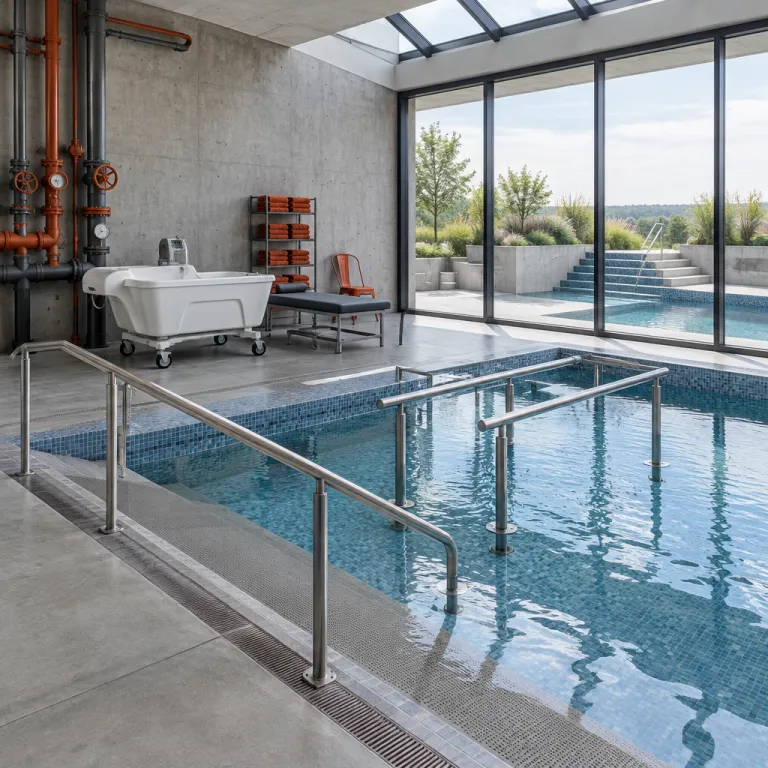
From spa day to medical stay: what “medical wellness hotels Hungary” really means
In Hungary, a spa day often evolves into a stay because the country treats thermal water as medicine, not décor. Medical wellness hotels in Hungary sit between a classic spa hotel and a clinical health spa, offering doctor-led programs that use thermal water, physiotherapy and diagnostics to support specific health goals. When you look at medical wellness hotels Hungary wide, you are entering a world where mineral-rich water, supervised treatments and structured routines matter as much as the thread count in the rooms.
Hungary’s thermal culture is centuries old, and the best wellness hotel properties build their entire health concept around it. Instead of a simple massage menu, these spa hotels combine thermal spa pools, inhalation rooms, mud packs and tailored treatments that address joint pain, post-injury recovery or weight loss within a medically supervised framework. Guests booking into these hotels in Hungary should expect an intake consultation, a personalised schedule and access to thermal aqua facilities that use certified medicinal water rather than generic heated pools.
The distinction is clear when you compare a leisure spa wellness break with a stay in one of the serious medical wellness hotels Hungary offers. A leisure-focused spa hotel in Budapest might highlight rooftop pools and cocktails, while a health spa in Hévíz or Sárvár will emphasise diagnostic tests, therapeutic thermal water sessions and evidence-based physiotherapy. For business travellers extending a trip, the appeal lies in combining high-quality hotel comforts with structured healing time that fits between meetings, turning a few extra days into a meaningful reset rather than just another city break.
Where Hungary’s medical wellness clusters: Budapest, Hévíz, Sárvár and the lakes
Medical wellness hotels Hungary wide cluster where the water itself does the heavy lifting. Budapest sits on a lattice of thermal springs, and properties on Margaret Island and along the Buda side use this thermal water to power serious health spa complexes within full-service hotels. When you explore hotel options here, you will see how the city’s spa hotels integrate historic pools, modern diagnostics and comfortable rooms into one coherent health concept.
Beyond Budapest, Hévíz and Sárvár anchor the country’s most treatment-focused destinations, each built around a different type of medicinal water. Hévíz is defined by its steaming thermal lake, where guests float in naturally warm water that supports joints and circulation, while nearby wellness hotel properties schedule daily lake sessions alongside physiotherapy and mud-based treatments. Sárvár, by contrast, is known for its high-mineral thermal aqua sources, and the leading hotel thermal complexes here channel this water into indoor and outdoor pools, inhalation rooms and targeted spa wellness programs.
Lake Balaton adds a softer, more resort-like layer to the medical wellness hotels Hungary story, especially for travellers who want both health and horizon. Around the northern shore, spa hotels and wellness hotel retreats pair Balaton views with access to regional thermal spa facilities, creating a slower rhythm that suits longer weight loss or stress management stays. For travellers who prefer their health spa time framed by vineyards and sailing rather than city streets, booking a hotel near the lake can be the most balanced way to experience Hungary’s wellness hotels.
Inside the flagship players: Ensana, Margaret Island and the rise of Melea
Among medical wellness hotels Hungary wide, the Ensana group has become almost synonymous with doctor-supervised thermal programs. Properties such as Ensana Thermal Margaret Island in Budapest sit directly above hot springs, feeding thermal spa pools, inhalation rooms and a full health spa department that works with rheumatology, rehabilitation and stress-related complaints. Guests booking these hotels in Hungary typically undergo a medical intake, after which an in-house doctor prescribes a sequence of thermal water baths, physical therapy and complementary treatments tailored to their condition.
Ensana thermal properties in Hévíz and Sárvár follow a similar concept, but each adapts to the local medicinal water profile and guest expectations. In Hévíz, the focus leans toward spine and joint issues, with daily lake sessions, underwater traction and mud packs forming the core of many treatments, while Sárvár’s hotels emphasise circulation, respiratory health and gradual weight loss supported by supervised exercise. Across these spa hotels, half-board dining is often calibrated to the health concept, with lighter menus, controlled portions and options that support Melea-style health goals such as metabolic balance and sustainable lifestyle change.
A newer layer in the medical wellness hotels Hungary landscape is the emergence of more holistic, lifestyle-oriented brands such as Melea, which blend clinical oversight with softer wellness cues. While still grounded in Hungary’s thermal and medicinal water heritage, these properties tend to frame their offer around longevity, stress resilience and integrated spa wellness rather than only musculoskeletal healing. For travellers who care as much about design, art and atmosphere as about the health spa schedule, museum-quality stay experiences in Budapest hotels, where the art collection is part of the room, can pair surprisingly well with day access to serious thermal spa facilities nearby.
What actually happens during a medical wellness stay
Checking into medical wellness hotels Hungary wide feels different from a standard city hotel arrival. After the usual room formalities, guests are typically scheduled for a medical consultation where a doctor reviews health history, assesses mobility and clarifies goals such as pain reduction, post-surgery support or structured weight loss. Based on this, the team designs a personalised program that weaves together thermal water sessions, physiotherapy, targeted spa wellness treatments and, where appropriate, lifestyle coaching.
A typical day in a health spa hotel might start with early access to quieter thermal pools, followed by a sequence of prescribed treatments such as underwater exercises, mud packs, traction therapy or inhalation sessions using medicinal water. Afternoons often balance rest and light activity, with supervised gym work, Nordic walking around a lake or park, or gentle classes that support posture and stress management, while evenings tend to be deliberately calm to reinforce the overall health concept. Many wellness hotels in Hungary offer half-board packages so that nutrition supports the program, with set menus designed to complement weight loss or metabolic goals without feeling punitive.
For business leisure travellers, the key is to align booking dates and room categories with the intensity of the planned treatments. Shorter stays of three to five nights work best for stress relief, spa wellness sampling and light musculoskeletal support, while more complex healing goals usually require at least ten to fourteen nights in a hotel thermal environment. When you explore hotel options on curated platforms such as My Hungary Stay, look for clear descriptions of medical oversight, the type of thermal aqua used and whether the property positions itself as a full health spa or a more general wellness hotel with access to nearby thermal facilities.
Who these programs suit – and who should think twice
Medical wellness hotels Hungary wide are designed first for people with specific health concerns, not only for those chasing a pretty spa photo. Guests with chronic joint pain, mild to moderate mobility issues, stress-related symptoms or post-operative recovery needs often benefit from the combination of thermal water, structured movement and supervised rest. For many, the appeal lies in being able to focus on healing while still enjoying the privacy, comfort and service standards of high-quality hotels in Hungary rather than a purely clinical setting.
These programs also work well for executives who want to turn a Budapest business trip into a meaningful reset by adding several days on Margaret Island or in Hévíz. A stay in an Ensana thermal property or a comparable wellness hotel allows them to schedule treatments around remote work, using quiet rooms, reliable connectivity and calm spa wellness areas as a base. For couples or friends, booking a half-board package at a lake or city spa hotel can create a shared rhythm of treatments, walks and unhurried meals that feels restorative without being ascetic.
There are, however, travellers for whom medical wellness hotels Hungary wide are not the right first step. Anyone with serious, unstable medical conditions should consult their own physician before planning a stay, and in some cases a hospital setting will be more appropriate than a hotel thermal environment. Those simply seeking nightlife, shopping and light pampering may be happier in a design-forward city property, using curated guides to elegant stays on the Buda side of Budapest for a refined city escape, while keeping medical-style health spa programs in mind for a future, more focused visit.
How to choose and book the right medical wellness hotel in Hungary
Selecting between medical wellness hotels Hungary offers starts with clarifying your primary goal. If you are targeting musculoskeletal healing, rheumatology issues or structured rehabilitation, focus on hotels in Hévíz, Sárvár or Margaret Island that operate a full health spa with on-site doctors and proven medicinal water sources. For stress relief, gentle weight loss or lifestyle recalibration, a wellness hotel near Lake Balaton or a quieter spa hotel in Budapest with strong thermal spa facilities and thoughtful half-board dining may be more appropriate.
When comparing hotels Hungary wide, look beyond glossy pool photos and study the medical and wellness details. Check whether the property specifies the composition of its thermal water or thermal aqua, lists the types of treatments available and explains its overarching health concept in clear language, then match this against your own needs and the length of stay you can realistically commit to. Pay attention to room categories, as quieter rooms facing a garden, lake or inner courtyard can make a significant difference to sleep quality during an intensive spa wellness program.
For booking, use platforms that curate and review medical wellness hotels Hungary wide with an editorial eye rather than simply aggregating every hotel. My Hungary Stay positions itself as the definitive guide to luxury hotels in Hungary, and its focus on properties that program the days around them helps travellers understand how a health spa stay actually unfolds. Once you have chosen, contact the hotel directly to confirm medical documentation requirements, language options for consultations and whether your preferred dates align with any seasonal maintenance of thermal spa facilities, then plan travel so that arrival and departure days remain as light as possible.
FAQ
What is the difference between a medical wellness hotel and a regular spa hotel in Hungary ?
A medical wellness hotel in Hungary combines thermal water, physiotherapy and doctor-supervised treatments within a structured health spa program, while a regular spa hotel focuses mainly on relaxation services such as massages and beauty rituals. Medical wellness properties usually require an intake consultation, offer personalised treatment plans and work with certified medicinal water sources. Regular spa hotels may have attractive pools and saunas but do not typically provide clinical oversight or targeted rehabilitation programs.
How long should I stay at a medical wellness hotel in Hungary for real benefits ?
For stress relief and light musculoskeletal support, a stay of three to five nights in a wellness hotel with strong thermal spa facilities can already feel meaningful. For more complex issues such as chronic joint pain, post-injury recovery or structured weight loss, most Hungarian health spa programs recommend at least ten to fourteen nights to allow the combination of thermal water, physiotherapy and rest to work effectively. Always discuss your goals with the hotel’s medical team before finalising your booking so they can advise on an appropriate duration.
Are medical wellness hotels in Hungary suitable for business travellers extending a work trip ?
Many medical wellness hotels Hungary wide are well suited to business leisure travellers who want to extend a Budapest trip into a restorative stay. Properties on Margaret Island, in Hévíz or in Sárvár often provide quiet rooms, reliable connectivity and flexible treatment schedules that can be arranged around remote work or meetings. The key is to choose a hotel thermal environment that balances serious health spa services with the comfort and service standards expected from high-quality hotels in Hungary.
Do I need a doctor’s referral to book a medical wellness stay in Hungary ?
Most medical wellness hotels in Hungary do not require a formal doctor’s referral for international guests, but they will ask for a detailed health history and any relevant medical reports. On arrival, an in-house doctor usually conducts an assessment to confirm which treatments and thermal water therapies are appropriate and safe. Travellers with serious or unstable conditions should consult their own physician before booking to ensure that a health spa environment is suitable.
What types of conditions are commonly addressed at Hungarian medical wellness hotels ?
Medical wellness hotels Hungary wide most often work with musculoskeletal issues such as arthritis, back pain and post-operative rehabilitation, as well as stress-related complaints and mild cardiovascular or metabolic concerns. Programs typically combine thermal aqua sessions, targeted physiotherapy, supervised exercise and, in some cases, nutrition support for gradual weight loss or lifestyle change. These hotels are not a substitute for acute hospital care, but they can play a valuable role in longer-term recovery and prevention when used under appropriate medical guidance.
Suggested sources for further reading: Hungarian Tourism Agency, National Institute of Rheumatology and Physiotherapy (Budapest), Hévíz Lake Spa official medical information.