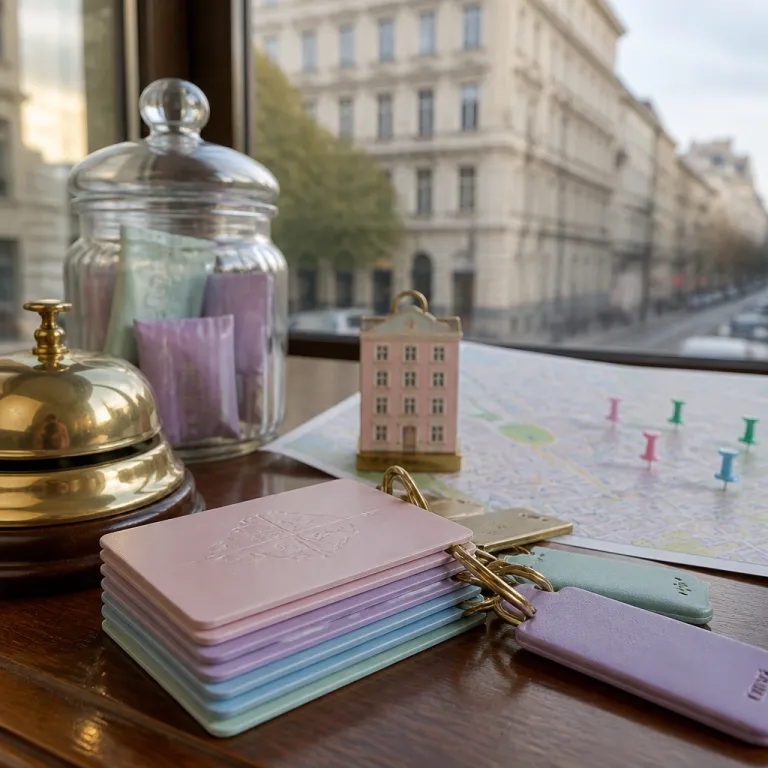
Section 1 – How the sixth district Airbnb ban reshapes Budapest’s high-end stays
Budapest’s sixth district, Terézváros, has moved from theory to enforcement, and the short term holiday rental ban now defines how luxury travellers book their stay. The district council removed roughly 2,700 active Airbnb-style apartments from the short term rentals market, which represented around 8–10 percent of the 29,000 housing units in this central district Budapest address. For anyone planning a premium hotel stay, this single regulation quietly rewires where you will sleep, what you will pay and how the city will feel at street level.
The policy is clear: in Terézváros, you can no longer book legal short term apartment rentals through home-sharing platforms, because the regulation targets every stay under the classic thirty day threshold. The District VI Council used legislation and inspections as tools, and the partners include local government and law enforcement, so the rentals ban is not symbolic but backed by real enforcement capacity. For travellers, this means that the debate about shifting from private holiday lets to hotel-style accommodation is no longer abstract, and you now choose between hotels, apartment hotels or a long term style lease in another rentals district if you want an apartment.
Authorities framed the ban policy around overtourism, housing pressure and the need to preserve a residential character in the stay district that had become saturated with short term lets. The official objectives were to reduce housing shortages, control tourism impact and support local residents who felt squeezed by the rental market and rising real estate prices. As a result, the expected impact is a measurable hotel occupancy increase in Terézváros, and early data from municipal briefings and tourism statistics already point to a roughly 15 percent rise in hotel bookings, which aligns with the broader shift from short term rentals to hotels across central districts. Readers can consult District VI Council decrees (for example, the 2022–2024 regulation package on tourist rentals), Hungarian Central Statistical Office tourism datasets and Hungary Today’s 2023 coverage of Budapest hospitality trends to verify the headline figures on removed apartments, occupancy and guest nights.
Section 2 – What enforcement and legal risks mean for guests and hosts
The sixth district regulation is not just a polite guideline; it carries teeth that matter for both hosts and guests who might still be tempted by an illegal Budapest Airbnb listing. Individuals who ignore the rentals ban face fines of up to HUF 200,000, while companies operating prohibited apartment rentals risk penalties up to HUF 2,000,000. On top of these financial fees, authorities can order a property closure for as long as forty five days, which creates obvious risks for any traveller whose stay depends on a non compliant short term rental.
From a guest perspective, the legal landscape is now simple, because the answer to “Can I still use Airbnb in District VI?” is: “No, short-term rentals are banned.” If you book an Airbnb-style apartment in Terézváros, you are effectively relying on a host who is breaking district regulation, and your reservation can evaporate if inspectors act during your stay. That is why the safest strategy is to focus on hotel and apartment hotel options that are fully licensed, pay the correct tax and operate within the legal framework of the district Budapest authorities.
For business leisure travellers who value predictability, this enforcement reality makes premium hotels the rational choice in the sixth district, especially when meetings or conferences leave no margin for last minute cancellations. The city’s roughly 6.7 million annual guest nights are being redistributed rather than reduced, so demand will still be there, but it will flow into legal hotel and apartment hotel inventory instead of unregistered rental properties. If you want to compare the character of different districts before you commit, use a curated guide to the best districts and premium hotels in Budapest to align your preferred atmosphere with the new regulatory map; if such a guide is provided by a commercial partner, it should be clearly marked as sponsored or affiliate content so you can weigh any potential bias.
Section 3 – Tourist redistribution: what shifts from District VI to VII and VIII
With Terézváros closing the door on short term rentals, tourist flows have not disappeared; they have simply moved sideways into neighboring districts. District VII, Erzsébetváros, and District VIII, Józsefváros, are now absorbing much of the displaced Budapest Airbnb demand, especially for apartment rentals that still operate legally under current district regulation. This redistribution changes the rental market texture in these neighborhoods, and you will feel it in everything from café queues to late night noise levels.
In Erzsébetváros, the classic party streets around Kazinczy and Dob already hosted a dense cluster of home-sharing apartments, and the new rentals district dynamic means even more visitors will stay here rather than in Terézváros. Józsefváros, once considered more residential and mixed use, is also seeing a rise in short term lets and apartment hotels that cater to guests priced out of the sixth district hotel scene. For travellers, this means that the search for alternatives to short term rentals in District VI is partly about choosing whether you want to be in the thick of the nightlife or slightly removed from it.
As District VIII prepares its own future ban policy, expected to start from the following January according to council communications, the domino effect will again push demand back toward hotels and apartment hotels across multiple central districts. This is where high end properties with strong soundproofing, wellness facilities and private balconies become especially attractive, because they offer calm above the urban churn. If you value that elevated perspective, consult a selection of Hungary’s finest luxury hotels with private balconies to identify stays that balance proximity to the action with genuine retreat; where such roundups include affiliate recommendations, they should be transparently disclosed as sponsored selections.
Section 4 – Pricing, value and how hotel alternatives now compete with rentals
Removing thousands of apartments from the short term rental market in Terézváros inevitably tightens supply, and hotel pricing responds to that new reality. With a 15 percent hotel occupancy increase already reported in local tourism updates, premium properties in the sixth district will test higher average daily rates, especially during congresses and major cultural events. For the traveller, the comparison between former home sharing options and today’s legal accommodation choices becomes less about whether hotels are more expensive than rentals, and more about what kind of value each legal option delivers.
In the sixth district, you now compare a classic luxury hotel room, a serviced apartment in one of the newer apartment hotels, or a long term style lease in another district if you plan an extended stay. Apartment hotels often include kitchenettes and laundry, which used to be the main advantages of an Airbnb-style apartment, but they add 24 hour reception, clear tax compliance and transparent fees. When you factor in cleaning charges, tourist tax and platform service fees that were common in the old short term rentals ecosystem, the price gap between a high end hotel and a quality apartment rental narrows significantly.
Neighbouring districts still allow short term lets, so you will find more aggressive pricing on apartment rentals in parts of District VII and IX, but those savings may come with more nightlife noise or longer commutes. Business leisure travellers who bill by the hour often prefer to pay a little more for a sixth district Budapest hotel that sits within a ten minute walk of both the Opera and key office towers. For a sense of how top tier properties are positioning themselves in this new rental market landscape, you can look at recent international accolades for Budapest’s flagship luxury hotels and what they signal for the city’s high end scene; if you read an in depth analysis hosted on a commercial site, check whether any hotel mentions are part of a sponsored partnership.
Section 5 – District by district: where business leisure travellers should now stay
For executives extending a work trip, the new accommodation landscape demands a more strategic approach to choosing your stay district. Terézváros remains the sweet spot for many, with Andrássy Avenue, the Opera and easy access to both the business quarter and the Danube, but you now rely on hotel and apartment hotels rather than private apartment rentals. The upside is a more residential feel on side streets, fewer rolling suitcases at 3 a.m. and a service culture that has stepped up to absorb former Airbnb guests.
District V, Belváros, offers the most polished riverfront experience, with grand real estate and a dense cluster of five star properties that suit board level meetings and high profile client entertaining. Here, the rental market for short term apartments was always more limited, so the sixth district regulation mainly reinforces hotels as the default choice for both short and long term business stays. If you want nightlife and ruin bar proximity, District VII still allows short term lets and apartment rentals, but the atmosphere is livelier, and some streets feel more transient than Terézváros after the rentals ban.
Józsefváros sits in transition; parts of the district Budapest map are gentrifying fast, with new cafés and design forward apartment hotels, while other blocks remain firmly local. As District VIII moves toward its own rentals ban, hotel developers and operators are already scouting real estate for future openings that can capture displaced Budapest Airbnb demand. For now, if you prioritise quiet nights and quick access to meetings, choose Terézváros or Belváros, and treat Erzsébetváros and Józsefváros as characterful options when you are willing to trade a little sleep for more nightlife.
Section 6 – Practical booking strategy in the era of Budapest’s Airbnb restrictions
Planning a premium stay under the new regulation starts with one simple rule: verify that your accommodation is legal before you enter your card details. In District VI, that means ignoring any Airbnb-style listing that still advertises a short term stay, because “Can I still use Airbnb in District VI?” has only one answer: “No, short-term rentals are banned.” Instead, focus on hotel and apartment hotels that clearly state their registration number, display transparent tax information and operate openly within the district regulation framework.
Across Budapest, the safest approach is to book through reputable hotel platforms or directly with the property, especially when your trip mixes boardroom commitments with leisure time. Authorities explicitly advise travellers to “Book hotels in advance.” and “Verify accommodation legality.”, and those two steps will protect both your schedule and your budget. With enforcement tools such as fines, inspections and potential property closures in play, you do not want your carefully planned stay to depend on a host who is gambling against the rentals ban.
For longer visits, consider a long term oriented lease in a residential building outside the strictest rentals district zones, or choose an apartment hotel that offers weekly rates and full kitchens. This way, you still enjoy the space and autonomy that once drew many to Budapest Airbnb listings, but you align with local law and support operators who pay their fair share of tax and contribute to a healthier rental market. As the shift from short term rentals to hotels accelerates, the most future proof strategy is to treat legal compliance, service quality and location as a single package, not separate checkboxes.
Key statistics shaping Budapest’s post-ban hotel landscape
- Approximately 2,700 active Airbnb apartments in District VI, representing 8–10 percent of the district’s roughly 29,000 housing units, have been removed from the short term rental market, significantly reducing unofficial tourist beds in Terézváros (source: Homever analysis of Budapest housing data, cross-checked against District VI Council housing statistics; see the council’s 2022–2024 decrees on tourist rentals for primary figures).
- Hotel occupancy in affected central districts has increased by around 15 percent since the ban took effect, indicating that demand has shifted from short term rentals to hotels rather than disappearing (source: Hungary Today reporting on Budapest hospitality trends, for example its 2023 feature on post-pandemic tourism recovery, supported by Hungarian Central Statistical Office tourism releases).
- Budapest records roughly 6.7 million annual guest nights, and these guest nights are now being redistributed across hotels and legal apartment hotels instead of concentrated in Airbnb-style rentals in a single district (source: Homever market overview of Budapest tourism based on HCSO datasets; readers can verify the latest totals in the HCSO’s annual tourism statistics).
- Enforcement measures include fines up to HUF 200,000 for individuals and HUF 2,000,000 for companies, plus possible property closure for up to forty five days, which creates substantial legal and financial risk for non compliant rental properties (source: Homever summary of district regulation tools and District VI Council decrees on sanctions and inspection powers).
- The policy timeline shows the ban announced roughly two years before implementation, giving both hotel operators and residents time to adjust expectations and investment plans in the evolving Budapest rental market (source: District VI Council communication on regulation milestones and public consultation records, including 2021–2022 stakeholder meetings and draft decree publications).
FAQ – Budapest’s sixth-district Airbnb ban and hotel alternatives
Can I still use Airbnb in Budapest’s sixth district?
No, short term rentals are banned in District VI, so you should not book an Airbnb-style apartment there for a holiday stay. The regulation targets all term rentals under the usual thirty day threshold, and enforcement includes inspections and fines. To avoid last minute cancellations or legal issues, choose a licensed hotel or apartment hotel instead.
Are hotels affected by the sixth district ban?
Hotels are not affected; they remain operational and are fully legal under the new district regulation. The policy specifically targets private short term rental properties, not hotel or apartment hotel inventory. As a result, many travellers are shifting from Budapest Airbnb listings to high quality hotels in Terézváros and neighboring districts.
Is the sixth district Airbnb ban permanent?
Yes, the ban is ongoing and has been implemented as a standing regulation rather than a temporary measure. Local authorities introduced it to address overtourism, housing shortages and pressure on the rental market. There is currently no official timeline for reversing or softening the rentals ban.
What happens if I book an illegal short term rental in District VI?
If you book an illegal term rental in Terézváros, you risk sudden cancellation if inspectors act, and your host may face significant fines or a property closure order. While penalties target owners and companies, guests can be left without accommodation and may struggle to recover prepaid fees. To protect your stay, always verify that your chosen property is a registered hotel or apartment hotel with clear tax and licence information.
Which Budapest districts now offer the best alternatives to Airbnb?
For business leisure travellers, District VI and District V offer the strongest mix of convenience, atmosphere and legal certainty through high quality hotels and serviced apartment hotels. District VII and parts of District VIII still host more apartment rentals, but they feel livelier and more nightlife oriented, which may not suit every itinerary. As more districts consider tighter rules, focusing on reputable hotel brands and well reviewed apartment hotels is the most resilient strategy for future trips.