Discover how to choose genuinely central hotels in Hungary, from basilica-area stays in Budapest to walkable city-centre options in Pécs and Nyíregyháza, with concrete location tips, room details and facilities to look for.
Central Hotels in Hungary: Where to Stay in Budapest, Pécs and Regional Cities
Quick picks for a central stay in Hungary
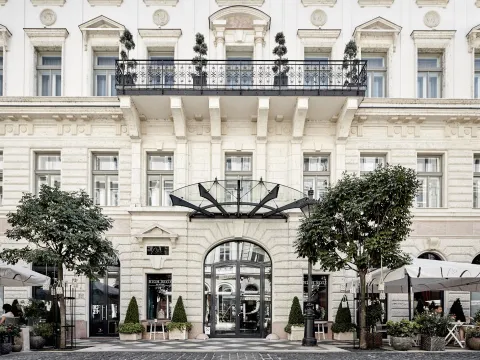
- Budapest (basilica area): Aria Hotel Budapest (Hercegprímás utca 5), Hotel Moments Budapest (Andrássy út 8) and Kempinski Hotel Corvinus (Erzsébet tér 7–8) – around 4–6 minutes’ walk to St. Stephen’s Basilica and Deák Ferenc tér, with easy access to metro lines M1, M2 and M3.
- Pécs (historic core): Hotel Palatinus City Center (Kiraly utca 5), Corso Hotel Pécs (Koller utca 8) and Hotel Arkadia (Hunyadi János utca 1) – roughly 2–5 minutes’ walk to Széchenyi tér and Király utca, close to the early Christian necropolis and the main bus stops.
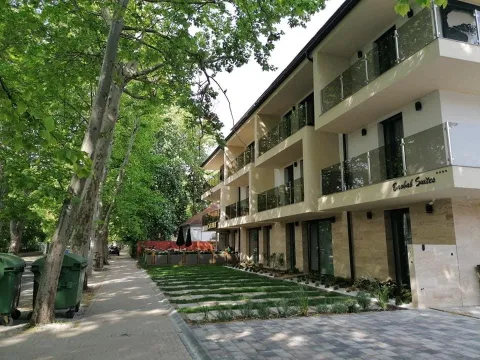
- Regional town (Nyíregyháza): Hotel Central (Nagy Imre tér 4), Korona Hotel (Dózsa György utca 1) and Europa Hotel (Hunyadi utca 2) – typically 3–6 minutes’ walk to Kossuth tér and the main train or bus station, convenient for rail-based itineraries.
Why central Hungary works so well for a hotel stay
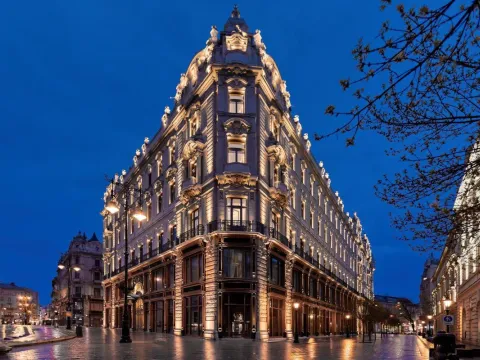
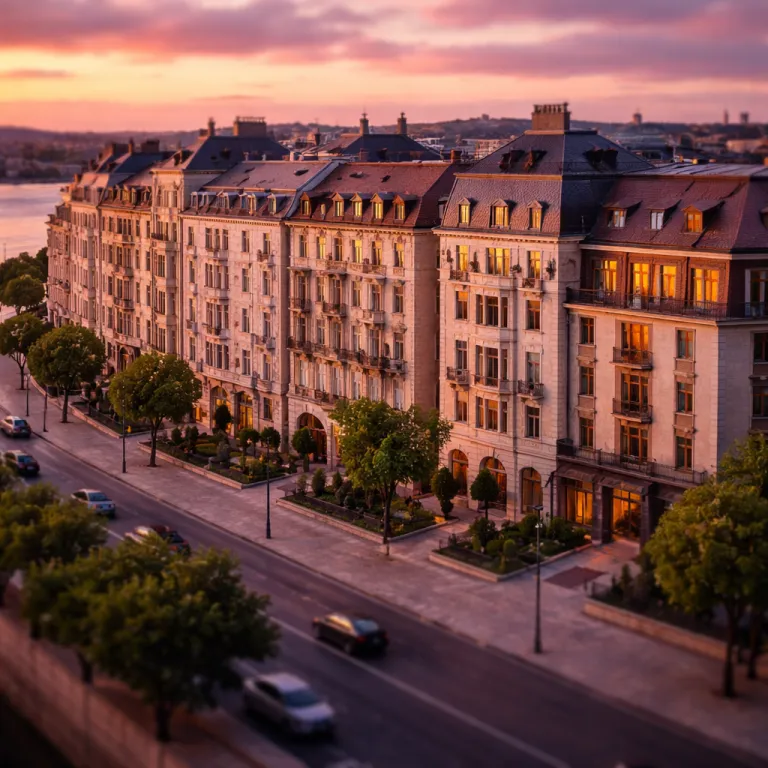
Budapest sets the tone for central Hungary. Grand façades along Andrássy út, the Danube promenade a few minutes’ walk away, and a dense network of city hotels let you step straight into urban life. For most travelers, a room in this central belt is the most efficient way to experience the country, whether you want a boutique hideaway or a larger branded property with full-service facilities and conference space.
Staying in the heart of the capital or in compact cities such as Pécs means you can walk to major sights, rely on public transport, and avoid long transfers. You trade resort-style seclusion for immediacy: cafés downstairs, a tram stop at the corner, a basilica or main square just beyond the lobby doors. Noise levels are usually higher than in outlying districts, but you gain shorter walking times and easier access to restaurants, museums, and evening riverfront walks along the Danube or local pedestrian streets.
Central Hungary also concentrates the widest range of properties. Classic city hotels with generous rooms, smaller addresses tucked into side streets, business-focused places near a train station, and more relaxed options in regional hubs all sit within walkable districts. When you search for a hotel in central Hungary, you are really choosing between distinct urban experiences rather than between “good” and “bad” areas, and you can filter for pet-friendly, family-oriented, or adults-only stays with specific amenities such as on-site parking, electric-vehicle charging or a compact spa.
Budapest’s central core: where exactly to look
Streets around St. Stephen’s Basilica form one of the most strategic areas for a Budapest hotel. Hercegprímás utca and the lanes radiating towards the Danube place you within a short walk of the basilica, the river promenade, and Deák Ferenc tér, the main public transport hub where three metro lines intersect. This is where a “basilica hotel” in Budapest truly means central access, not just a distant view of the dome, and where many four-star and five-star addresses cluster within about 5 to 10 minutes on foot of key landmarks such as the Chain Bridge and the Parliament building.
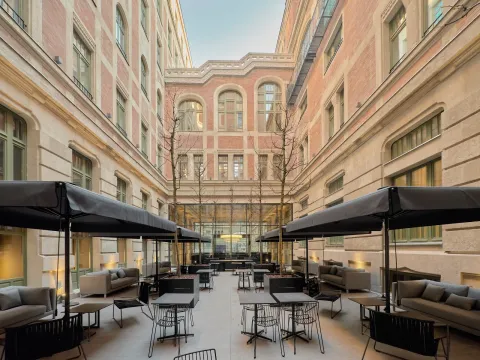
For many guests, this zone balances atmosphere and practicality. You can step out for an evening walk to the Parliament in about 15 minutes, yet still retreat to a quiet room facing an inner courtyard. When you check hotel options here, pay attention to whether the property sits on a pedestrian street or a traffic-heavy boulevard: the difference in noise levels can be significant, particularly for light sleepers or families with young children, and courtyard-facing rooms are usually quieter than those overlooking main avenues or late-night bar terraces.
Further south, around Mária utca and the Museum Garden near Kálvin tér, central Budapest feels more residential. Hotels in this part of the city often offer slightly larger rooms and a calmer stay, while still keeping you within a few minutes’ walk of tram lines 47 and 49 and metro connections. If you value sleep quality over being right on a nightlife strip, this is usually the better choice, and it can work well if you are combining business meetings with quieter evenings and want to avoid late-night bar noise while remaining within a 10–15 minute ride of the main railway stations.
Pécs and other regional hubs: central without the crowds
In Pécs, “central” has a different scale. From Bajcsy-Zsilinszky utca, you can walk to Széchenyi tér, the main square, in just a few minutes, and most key sights cluster within a compact radius of roughly 800 metres. A hotel in central Pécs suits travelers who want a gentler rhythm than Budapest but still appreciate being able to explore on foot, including families pushing strollers or older visitors who prefer shorter walking distances and fewer stairs between the hotel and the cathedral district.
The atmosphere here is more small-town Mediterranean than capital city. Terraces spill onto Király utca, church towers punctuate the skyline, and you can stroll from your room to the early Christian necropolis, a UNESCO site, without ever needing public transport. When you check a map for a Pécs property, look for walking distance to both the main square and the Árkád shopping centre: that usually signals a genuinely central location and easy access to everyday services such as pharmacies, supermarkets, and casual eateries for quick lunches or simple dinners.
Other cities in central Hungary, such as Nyíregyháza or Nagykanizsa, offer a similar logic on an even smaller scale. A hotel facing the main square or just off the central pedestrian street will typically place you close to local restaurants, modest cultural venues, and regional train or bus stations. These are good bases if you are touring the country by rail or combining Budapest with lesser-known towns, and they often provide better value than resort areas while keeping transfers short and check-in days flexible, especially outside peak summer and major festival periods.
What to expect inside: rooms, layouts and comfort details
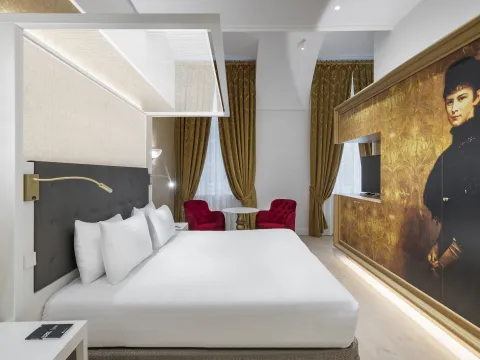
City hotels in central Hungary tend to favour practical, well-organised rooms over dramatic design statements. Expect a mix of classic double rooms, a few larger units for families, and occasionally compact single rooms aimed at business travelers. Typical room sizes range from about 16–20 m² for standard doubles to 25–35 m² for junior suites. When you compare rooms, look beyond the headline size and check whether there is a clear separation between sleeping and working areas, especially if you plan to spend time in the room during the day or join online meetings.
Bathrooms deserve particular attention. Many renovated properties now offer a walk-in shower rather than a bathtub, sometimes with a shower separate from the main toilet area. A separate toilet can be a real advantage for couples or friends sharing, especially in smaller rooms. If this matters to you, verify the layout in the room description or photo gallery rather than assuming, and note whether toiletries, hairdryers, and heated towel rails are standard or only in higher categories, as this can affect how much you need to pack and how comfortable mornings feel in cooler months.
Comfort details also vary. Some central hotels provide a flat-screen television, in-room tea and coffee set-up, and individually controlled air conditioning as standard, while others only offer these in higher room categories. In summer, especially in Budapest where heat lingers between the buildings, reliable air conditioning is not a luxury but a necessity. For a premium stay, prioritise properties that clearly specify these facilities rather than leaving them vague, and check whether windows open and whether blackout curtains and soundproofing are mentioned in the room description or highlighted in recent guest reviews.
Facilities and services that make a central stay smoother
In dense urban locations, shared facilities can matter as much as the room itself. A small but well-run breakfast area, a quiet lounge, or a compact wellness corner with a sauna and plunge pool can transform a functional city hotel into a pleasant base. When you check hotel descriptions in central Hungary, look for how these spaces are integrated into the property rather than just listed, and consider whether you will realistically use a spa, gym, or rooftop terrace during your stay or prefer a simple lobby bar, business corner and reliable Wi‑Fi.
Services also define the experience. Room service, even with a limited menu, can be valuable after a late arrival by train or a long day of meetings. Some central addresses accept pets, which is crucial if you are touring Hungary with a dog and do not want to compromise on location. Always verify “pets allowed” policies in detail, as conditions and room types can differ, and confirm whether there are nearby green spaces or riverside promenades suitable for daily walks and quick early-morning outings before breakfast.
Access remains a key criterion. Proximity to a metro stop in Budapest, or to a main train station in cities like Nyíregyháza, can save you both time and effort, especially if you are carrying luggage. A property that is a few minutes’ walk from major public transport lines often proves more convenient than one that is technically closer to a single attraction but poorly connected, and this is particularly true if you plan day trips or need to catch early trains or airport buses such as the 100E service from central Budapest.
How to evaluate central hotels before you book
Online descriptions of a “central” hotel in Hungary can be generous. The most reliable way to assess location is to cross-check the address on a map and measure walking times to the places you actually plan to visit. In Budapest, for instance, being within a 5 to 10 minute walk of Deák Ferenc tér or Kálvin tér usually means strong transport connections and straightforward access to metro, tram, and bus lines for sightseeing and airport transfers, while still keeping you close to the Danube and major cultural venues.
Photo galleries reveal more than décor. Look closely at windows to gauge natural light, at curtains to see whether they are blackout or sheer, and at bathroom photos to confirm whether there is a walk-in shower or a combined tub. If you notice repeated images of the same angle, assume the rooms may be smaller than suggested and adjust expectations accordingly, and use exterior photos to understand whether the building faces a busy boulevard or a quieter courtyard or side street that may offer better sleep quality.
Guest reviews, when read selectively, can help you identify patterns. Focus on recurring comments about noise, air conditioning performance, and the state of the bathrooms rather than isolated complaints. For a premium stay, it is often worth choosing a property with fewer but more consistent positive remarks about cleanliness, sleep quality, and staff responsiveness, even if the décor appears simpler, and use recent reviews to check whether any renovation work or service changes are mentioned that could affect your dates and influence facilities such as lifts or breakfast service.
Who central Hungary hotels suit best
Travelers who value time and access benefit most from a central stay. If your trip is short, or if you plan to move frequently between meetings, museums, and restaurants, being able to walk or take a single tram line is far more important than having a view of open countryside. Central Budapest hotels, in particular, work well for first-time visitors who want to orient themselves quickly and for repeat guests who prefer to minimise daily travel time and maximise time in cafés, baths, and galleries without long cross-city journeys.
Couples and solo travelers often appreciate the evening atmosphere of central districts. You can leave your room for a late dinner near the basilica, stroll along the Danube promenade, and be back within minutes without worrying about late-night transport. In smaller cities such as Pécs, a central hotel lets you enjoy café terraces and cultural events without navigating unfamiliar suburbs, and it makes it easier to return to your room between activities for a rest, a wardrobe change or a quick check of emails.
Families and light sleepers may need to be more selective. A property directly on a busy square can feel vibrant but noisy, especially on weekends. In that case, consider a hotel on a side street that is still central but slightly removed from bars and tram lines. The right choice in central Hungary is rarely about the grandest façade: it is about how well the location and facilities match the way you actually travel, from early bedtimes to late check-outs and from stroller-friendly pavements to step-free access and lifts large enough for luggage.
Is a central hotel in Budapest worth it for a first visit?
For a first stay in Budapest, choosing a central hotel is almost always worth it. You gain immediate access to major sights such as St. Stephen’s Basilica and the Danube promenade, and you are usually within a short walk of key metro and tram lines. This makes it easy to explore Buda’s castle district by day and return quickly to restaurants and cafés in the evening. The convenience outweighs the slightly busier atmosphere, especially if your time in the city is limited and you want to see as much as possible without long daily commutes across the river or through outer districts.
How can I tell if a hotel is truly central in Pécs?
In Pécs, a hotel is genuinely central if you can walk to Széchenyi tér, the main square, in a few minutes and reach both the early Christian necropolis and the Árkád shopping centre on foot. When you check a map, look for addresses around the historic core rather than on the ring roads. If the property description mentions easy access to the main pedestrian streets and local cultural sites, you are likely looking at a central location, and you can then focus on whether the hotel is more business-oriented or family-friendly in terms of room types, parking options and services.
What room features should I prioritise in central Hungary hotels?
In central Hungary, prioritise practical comfort over decorative flourishes. Reliable air conditioning is essential in summer, especially in Budapest. A clear bathroom layout, ideally with a walk-in shower and, if possible, a separate toilet, can make a small room feel more functional. Extras such as a flat-screen television and in-room tea and coffee facilities are pleasant, but they matter less than good sound insulation and a comfortable bed, particularly if you are staying in a lively district with late-night tram or bar noise just outside the windows.
Are central hotels in Hungary suitable for guests with pets?
Some central hotels in Hungary do accept pets, but policies vary widely. Before you book, verify whether pets are allowed in all room types or only in specific categories, and whether there are size limits or additional cleaning fees. If you are travelling with a dog, a central location near a park or riverside promenade can make daily walks much easier while still keeping you close to the city’s main attractions, and it is worth checking whether the hotel provides bowls, bedding, or designated pet-friendly floors or if you need to bring your own equipment for a comfortable stay.
How should I use reviews when choosing a central hotel?
Reviews are most useful when you read them for patterns rather than individual opinions. Focus on repeated comments about noise levels, cleanliness, bathroom condition, and the effectiveness of air conditioning. Pay attention to how guests describe the walk to major sights or public transport stops, as this often gives a more honest sense of how central the property feels in practice. Use these insights to refine your shortlist rather than to make a decision based on a single glowing or negative remark, and always check the dates to ensure the feedback reflects the hotel’s current state and any recent refurbishments or management changes.