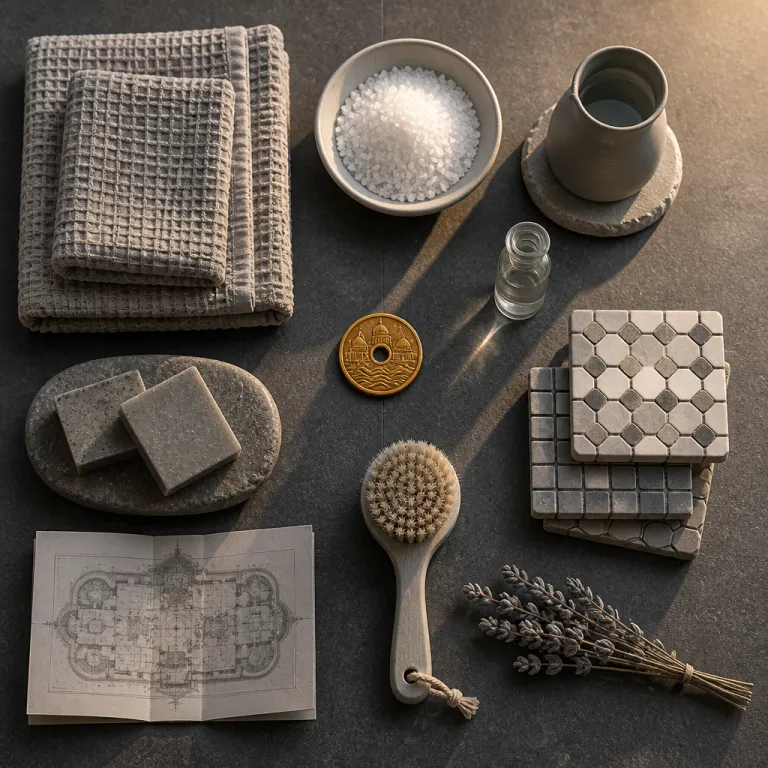
Thermal heritage in Budapest and how luxury travellers can bathe in style
Budapest sits on more than one hundred and twenty recognised thermal springs, which makes the historic spas and bathhouses in Budapest, Hungary a natural starting point for any refined itinerary. The city has turned these thermal baths into elegant sanctuaries, where grand architecture, mineral rich thermal water and curated spa services meet five star hospitality. For guests booking premium hotels, understanding how each bath, pool and spa experience aligns with their expectations transforms a simple visit into a tailored ritual.
Széchenyi Thermal Bath is the largest of the Budapest baths and a landmark for wellness focused travellers who enjoy grand neo Baroque surroundings. With fifteen indoor pools and three expansive outdoor pools, Széchenyi offers both lively social bathing and quieter corners, so you can choose your preferred atmosphere at any time of day. Many luxury hotels arrange private transfers to Széchenyi baths, and concierge teams often pre book cabins, massages and thermal bath packages to minimise waiting time.
On the Buda side, Rudas Baths and Gellért Baths showcase the city’s Ottoman and Art Nouveau heritage, which appeals to guests who value culture as much as comfort. Rudas baths combine a sixteenth century Turkish dome, a modern rooftop hot pool and contemporary wellness facilities, while Gellért baths are famed for stained glass windows and Zsolnay tiles. When you visit Budapest for a spa focused stay, alternating between these historic thermal baths and your hotel’s own hot tub or swimming pool creates a balanced rhythm of exploration and rest.
Budapest’s tourism partners and health organisations have invested heavily in preserving these bathhouses while integrating modern wellness services. The official guidance for first time visitors is clear: “Visit early to avoid crowds. Bring your own towel and flip-flops. Check for gender-specific days.” Luxury travellers who follow these simple rules, and who read hotel specific advice before visiting, usually report smoother, more serene bathing experiences across the city.
Choosing the right bathhouse for your luxury hotel base
Selecting a luxury or premium hotel in Budapest becomes easier when you first decide which baths you want to prioritise. If your dream is to linger in outdoor pools framed by grand colonnades, then a stay near Széchenyi baths or Gellért baths will save you valuable time in transit. Travellers who prefer quieter thermal baths with a more local feel often choose hotels closer to Lukács baths or Veli Bej, both located on the Buda side and well connected by public transport and taxis.
Széchenyi, located in City Park, pairs naturally with high end properties in central Pest, where concierge teams are used to arranging spa days and private guides. From these hotels you can reach the main baths in Budapest, Hungary within fifteen to twenty minutes, then return to enjoy refined dining and curated wine lists. Guests who value green surroundings and easy access to outdoor pools often look at luxury hotels near Margaret Island, where open air pools and shaded promenades create a resort like feel; for a detailed overview of these options, many travellers consult this guide to Margaret Island’s open air pools and nearby hotels.
On the Buda side, Rudas baths, Lukács baths and Veli Bej offer a different rhythm, which suits guests who prefer calmer streets and hillside views. Rudas baths are particularly attractive for evening bathing, thanks to the rooftop hot pool that overlooks the Danube and the city lights. When you book a premium hotel on the Buda side, you gain quick access to these indoor outdoor complexes, where a single thermal bath visit can easily extend into a half day wellness programme.
For travellers planning several days of bathing, proximity to tram and metro lines is almost as important as star ratings. A hotel that sits between multiple Budapest baths allows you to alternate between Széchenyi, Gellért, Rudas and Lukács without long transfers. This flexibility matters when you want to enjoy both the famous thermal baths and quieter pools, while still returning to your room in time for a late dinner or a private spa treatment.
Inside the iconic bathhouses and how they pair with five star stays
Each of the major bathhouses in Budapest, Hungary offers a distinct personality, which you can match with your preferred hotel style. Széchenyi baths feel grand and energetic, with chess players in steaming outdoor pools and families enjoying the warm thermal water together. Guests staying in classic luxury hotels often visit Széchenyi in the morning, then retreat to their hotel spa in the afternoon for quieter, candlelit treatments.
Gellért baths, attached to the historic Gellért Hotel building, are a natural choice for travellers who appreciate Art Nouveau design and atmospheric indoor pools. The main swimming pool, framed by columns and balconies, creates a theatrical setting for leisurely laps, while smaller thermal pools offer more intimate bathing. Many premium riverside hotels, such as those highlighted in this review of riverside elegance at a Danube facing hotel, provide easy access to Gellért baths via trams and taxis.
Rudas baths stand out for their sixteenth century octagonal pool beneath a domed ceiling, which creates a moody, almost meditative atmosphere. The complex now combines this historic core with a modern wellness wing, complete with indoor outdoor pools, a rooftop hot tub and panoramic views of the city. Luxury travellers often schedule an evening session at Rudas baths, then return to their hotel for a late supper, making the most of the extended opening hours.
Lukács baths and Veli Bej, both on the Buda side, appeal to guests who prefer a quieter, more local experience. Lukács baths have long been associated with health tourism, and their thermal water is popular among visitors seeking therapeutic benefits. Veli Bej, recently renovated, offers a beautifully restored Turkish dome, several pools of varying temperatures and a compact spa area, which pairs well with intimate, design forward hotels that emphasise calm and privacy.
Practical etiquette for visiting Budapest’s thermal baths from a luxury hotel
Understanding etiquette at the historic spas and bathhouses in Budapest, Hungary helps luxury travellers feel at ease from the moment they arrive. Most Budapest baths require swimwear in mixed areas, and many guests also wear flip flops between pools and in shower zones. You should bring your own towel and a light robe if you plan to move between indoor outdoor spaces or relax on loungers between bathing sessions.
Some historic baths, particularly Rudas baths and a few Turkish style pools, still operate single sex days in certain sections, so it is wise to read the schedule before visiting. Your hotel concierge can confirm whether a specific thermal bath has male only or female only times, and can suggest alternatives if your preferred day does not match your plans. Mixed days are common at Széchenyi baths, Gellért baths, Lukács baths and most modern spa complexes, which simplifies planning for couples and families.
Hygiene rules are straightforward and strictly enforced, which contributes to the overall quality of the bathing experience. Guests must shower before entering any pool, and long hair should be tied back or covered, especially in the main swimming pool areas. Many luxury hotels echo these standards in their own spa facilities, so the transition between your hotel pool and the public thermal baths feels natural and seamless.
When you visit Budapest for a wellness focused stay, consider alternating intense sightseeing days with slower spa days. A morning at Széchenyi or Gellért, followed by a leisurely lunch and an afternoon nap at your hotel, allows your body to absorb the benefits of the mineral rich thermal water. Evening sessions at Rudas baths or Lukács baths, especially in the rooftop hot pool or quieter indoor pools, can then become a gentle way to unwind after exploring the city.
Designing a spa centric itinerary around Budapest’s luxury hotels
A thoughtful itinerary around the bathhouses in Budapest, Hungary starts with your arrival day and builds in recovery time. After a flight, many travellers appreciate a light first evening, with a short visit to a nearby thermal bath and an early night in a comfortable room. Choosing a hotel with its own spa or at least a heated pool and hot tub means you can begin bathing gently before tackling the larger Budapest baths.
On your first full day, a morning at Széchenyi baths or Gellért baths introduces you to the scale and variety of the city’s thermal baths. You might rotate between several pools of different temperatures, then relax in saunas or steam rooms before returning to your hotel for lunch. In the afternoon, a walk through the city centre followed by a quiet hour in your hotel spa creates a balanced rhythm that avoids fatigue.
For the second or third day, consider focusing on the Buda side, where Rudas baths, Lukács baths and Veli Bej offer a more intimate atmosphere. A popular pattern is to spend the morning at Lukács baths, enjoy a café lunch nearby, then head to Rudas baths for an evening rooftop hot pool session with views of the Danube. Guests who stay in centrally located properties, such as those profiled in this guide to refined city escapes in Budapest, find it easy to move between these baths by tram, taxi or private transfer.
On your final day, a shorter visit to a favourite thermal bath, followed by a leisurely breakfast and late checkout, helps you end your stay on a calm note. Many luxury hotels will store luggage and offer continued access to spa facilities after checkout, allowing one last swim or soak before your departure. This approach ensures that the thermal springs of Budapest remain a thread running through your entire trip, rather than a single rushed excursion.
Health, wellness and what to expect from Budapest’s thermal water
The thermal water that feeds the bathhouses in Budapest, Hungary is rich in minerals such as calcium, magnesium and bicarbonates. Local health organisations highlight potential benefits for joint mobility, circulation and general relaxation, although individual experiences vary. For guests staying in luxury hotels, combining these traditional thermal baths with modern spa treatments can create a comprehensive wellness programme.
Budapest’s bathing culture dates back to Roman times and was significantly expanded during the Ottoman period, when Turkish baths like Rudas and Veli Bej were built. Today, these historic structures coexist with contemporary wellness centres, offering everything from medical consultations to aromatherapy massages. Many premium hotels collaborate with local baths to design packages that include medical check ups, personalised bathing schedules and follow up spa treatments.
Visitors should be aware that thermal baths can be tiring, especially when moving quickly between very hot and cooler pools. Health professionals often recommend limiting each bathing session to twenty or thirty minutes, then resting and hydrating before returning to the water. If you have cardiovascular conditions or are pregnant, it is wise to consult a doctor before planning intensive thermal bath visits, and your hotel concierge can help you identify the most suitable facilities.
For many travellers, the greatest benefit of Budapest thermal culture is psychological rather than strictly medical. Taking time to slow down, to sit quietly in a warm pool beneath a historic dome or in an outdoor courtyard, can reset your sense of pace. When this experience is framed by attentive hotel service, comfortable rooms and thoughtful dining, the baths in Budapest, Hungary become a cornerstone of a broader wellness focused journey.
Top Hungarian retreats that pair luxury stays with iconic baths
Across the city, a growing number of luxury and premium hotels position themselves as gateways to the bathhouses in Budapest, Hungary. Some properties emphasise proximity, allowing guests to walk to Széchenyi baths, Gellért baths or Lukács baths in just a few minutes. Others focus on creating in house spa experiences that echo the atmosphere of the historic thermal baths, with indoor outdoor pools, saunas and steam rooms inspired by local traditions.
Riverside hotels along the Danube offer easy access to both the Buda side and Pest, which is ideal for travellers who want to sample several Budapest baths in a short stay. From these bases you can reach Rudas baths for an evening rooftop hot session, Gellért baths for an Art Nouveau morning and Széchenyi baths for an afternoon in the outdoor pools. High end concierges routinely arrange timed entries, private guides and even photography sessions, ensuring that your time in each thermal bath feels curated rather than crowded.
In quieter neighbourhoods, smaller premium properties near Lukács baths and Veli Bej appeal to guests seeking a more residential atmosphere. These retreats often partner with local wellness practitioners, offering yoga classes, nutrition consultations and personalised bathing plans that integrate multiple baths in Budapest, Hungary over several days. The result is a layered experience, where each pool, spa treatment and hotel amenity contributes to a coherent sense of retreat.
Whether you choose a grand riverside address or a discreet city hideaway, the key is to align your hotel’s strengths with your preferred bathing style. If you love lively social scenes and large outdoor pools, staying near Széchenyi or Gellért makes sense. If you prefer contemplative spaces, single sex Turkish pools and smaller thermal baths, then a base on the Buda side near Rudas baths, Lukács baths or Veli Bej will serve you better.
Key figures about Budapest’s thermal culture
- Budapest sits above approximately 120 recognised thermal springs, which explains the unusually high concentration of thermal baths across the city (data reported by Visit Hungary and health tourism partners, accessed 2024).
- Széchenyi Thermal Bath welcomes around 2,000,000 visitors per year, making it one of the busiest thermal bath complexes in Europe and a central reference point for wellness tourism in Budapest (Budapest Baths visitor statistics, 2023).
- The main historic Turkish baths in Budapest, including Rudas, Király, Veli Bej and parts of Lukács, trace their origins to the sixteenth century Ottoman period, when bathing culture became embedded in the city’s daily life.
- Most major Budapest baths operate year round, with both indoor and outdoor pools open even in winter, which allows luxury hotels to promote spa centric stays in every season.
Frequently asked questions about Budapest’s bathhouses
Are Budapest’s thermal baths open all year round ?
Most major bathhouses in Budapest, Hungary, including Széchenyi baths, Gellért baths, Rudas baths and Lukács baths, operate throughout the year. Indoor pools and spa areas remain open in all seasons, while many outdoor pools also function in colder months. This makes it easy to plan a spa focused stay in any season, especially when combined with a hotel that offers its own wellness facilities.
Do I need to bring my own towel and flip flops ?
It is strongly recommended to bring your own towel and flip flops when visiting Budapest baths, even though rentals are usually available. Having your own items is more comfortable and often more hygienic, particularly if you plan multiple bathing sessions in one day. Many luxury hotels provide high quality towels and slippers that guests can take to the baths, sometimes as part of a dedicated spa package.
Are the baths in Budapest mixed or single sex ?
Most large bathhouses in Budapest, Hungary operate as mixed gender facilities in their main areas, especially Széchenyi baths and Gellért baths. Some historic Turkish sections, particularly at Rudas baths and a few other pools, still have single sex days or time slots. Hotel concierges can check current schedules and advise which thermal baths best match your preferences for mixed or single sex bathing.
How much time should I plan for a visit to a thermal bath ?
A typical visit to one of the Budapest baths lasts between two and four hours, depending on how many pools and spa services you wish to enjoy. Many travellers combine a morning or evening session with other activities, such as sightseeing or fine dining near their hotel. If you are planning several bath visits during your stay, consider alternating longer sessions at major complexes with shorter, more focused visits to quieter baths.
Can I visit several different bathhouses during a short city break ?
It is entirely feasible to experience multiple bathhouses in Budapest, Hungary during a three or four night stay, especially if you choose a centrally located luxury hotel. Many guests visit Széchenyi baths or Gellért baths on the first day, then explore Rudas baths, Lukács baths or Veli Bej on subsequent days. Efficient public transport, taxis and hotel arranged transfers make it easy to move between baths while still leaving time for cultural visits and relaxed meals.
References: Lonely Planet guide to Budapest’s thermal baths (2023); Visit Hungary wellness tourism materials (accessed 2024); Budapest Baths official visitor information (updated 2023).