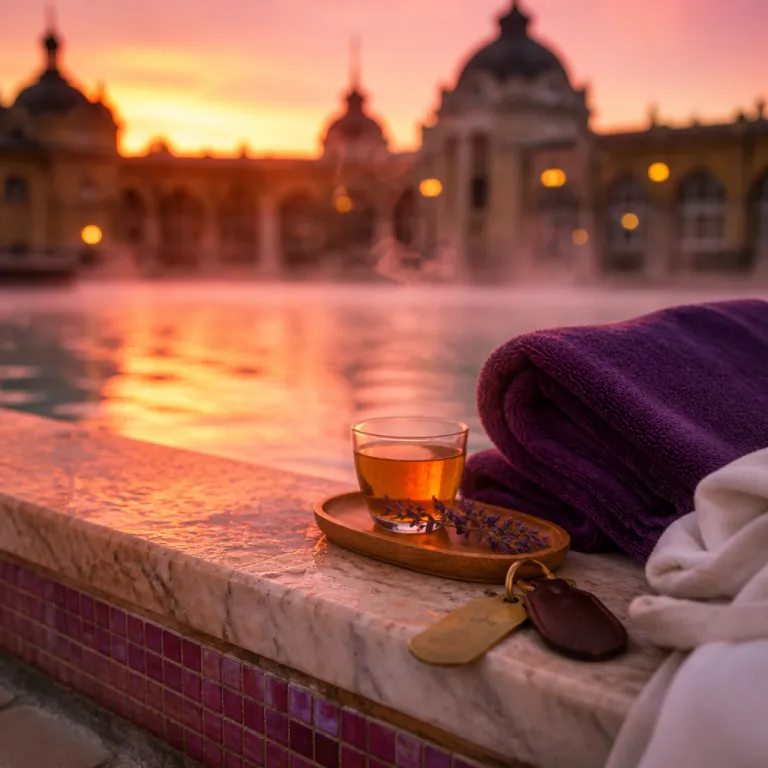
Budapest thermal baths and luxury hotels in the city of spas
Budapest thermal baths shape the rhythm of the city and define many luxury hotel stays. In a capital built over more than 120 recognised thermal springs, the finest five star properties now design entire wellness itineraries around each historic bath and modern spa. As one senior concierge likes to say, “Tell me how you want to feel at the end of the day, and I’ll tell you which bath to choose.” For travellers who want both a refined hotel and an authentic thermal bath experience, choosing the right address near the right bath is the decision that matters most.
Across the Hungarian capital, mineral rich thermal water flows at an estimated 70 million litres per day, feeding grand Budapest baths such as Széchenyi, Gellért, Rudas, Lukács and Veli Bej. These legendary thermal baths offer indoor baths, outdoor baths, ornate halls and every type of pool, from quiet soaking corners to a lively swimming pool where friends gather. When you visit Budapest for wellness, the best Budapest hotels help you navigate which thermal bath suits your style, your schedule and your preferred level of privacy.
Széchenyi Thermal Bath is one of the largest thermal bath complexes in Europe, and many luxury hotels in Pest now market themselves as the natural base for Széchenyi baths days. Guests often ask for tips and tricks on how to time their visit, how to buy tickets online and how to move between the outdoor pools and the indoor pools without stress. Experienced front desk teams respond with personalised suggestions, arranging tickets, private transfers and even late check out so that your bath experience can unfold at your own pace.
Staying near Széchenyi and Gellért for effortless spa days
For travellers focused on Széchenyi baths, staying on the Pest side of Budapest keeps travel time short and simple. Luxury and premium hotels around Heroes’ Square and Andrássy Avenue often highlight their proximity to this iconic thermal bath, where 21 pools include steaming outdoor pools that feel magical on cold evenings. Many guests choose a hotel with a generous spa area and indoor baths, then alternate between the hotel spa and the historic Budapest baths during a longer stay.
On the Buda side, Gellért Thermal Bath offers a different kind of bath experience, with Art Nouveau mosaics, stained glass and a famous wave pool that once counted as a technical marvel. High end hotels near the Liberty Bridge often build packages that combine Gellért baths access, curated city walks and fine dining, creating a refined way to visit Budapest without rushing. When you compare Széchenyi and Gellért, Széchenyi suits travellers who want large outdoor baths and social pools, while Gellért appeals to guests who value architecture, indoor pools and a quieter spa atmosphere.
Design focused travellers sometimes prefer a contemporary property such as a smart design hotel in the city centre, then use taxis or public transport to reach their chosen thermal baths. This approach works well if you plan to split your time between Széchenyi, Gellért and smaller baths Budapest options like Lukács baths or Veli Bej. Whatever your style, ask the front desk team to explain opening hours, recommend the calmest time of day and secure tickets online so you can move straight from hotel lobby to thermal pool.
Historic Rudas, Lukács and Veli Bej for connoisseurs of thermal culture
Beyond the headline names, several Budapest thermal baths reward travellers who enjoy quieter spaces and deeper history. Rudas Thermal Bath, often called Rudas thermal by locals, dates back to the Ottoman era and features a striking 16th century dome above its central octagonal pool. Luxury hotels that work with private guides sometimes arrange early access or small group visits, allowing guests to appreciate the architecture and the ritual of the bath without crowds.
Lukács baths attract a more local crowd, and many wellness focused visitors appreciate the contrast with the more touristic Budapest baths. Here, the emphasis falls on health treatments, saunas and a serious approach to the mineral rich water, which some guests use to support recovery from joint issues. When you stay in an upscale hotel in Buda, staff can suggest the best time to visit Lukács baths, explain the different pools and help you read the signage so you understand each thermal bath temperature and purpose.
Veli Bej, a smaller complex near the Danube, offers one of the most atmospheric indoor baths in the city, with a calm central pool under a historic dome. Guests who combine a stay in Budapest with a countryside escape often pair these intimate baths with rural wellness, such as a night on the Great Plain at a traditional property featured in this guide to overnight horse farms and Csárda suppers. This mix of urban spa culture and rural silence gives a richer understanding of Hungarian traditions, and luxury travel planners now weave both city baths and countryside pools into one coherent itinerary.
How luxury hotels curate your Budapest bath experience
High end hotels in Budapest increasingly act as spa concierges, not just places to sleep. When you book a premium room or suite, you can often request a personalised Budapest thermal baths programme that balances iconic sites with lesser known baths Budapest options. The best Budapest properties understand that guests want both relaxation and cultural depth, so they design days that move from thermal bath rituals to private city tours and refined dinners.
Concierges typically start by asking what you want from the water and how you like to spend your time. If you enjoy lively outdoor pools and social spaces, they may suggest Széchenyi baths in the morning, followed by hotel spa treatments and a quieter visit to Lukács baths or Veli Bej later in the trip. If you prefer architectural beauty and indoor baths, they might recommend Gellért baths and Rudas thermal, with a sunset session in the rooftop pool at Rudas for a memorable view of the city.
Many luxury hotels now pre arrange tickets online for major Budapest baths, so you avoid queues and can focus on the bath experience itself. They also brief guests on practical things such as mandatory swimming caps in certain swimming pool lanes, the need to bring or rent towels and the etiquette of moving between pools of different temperatures. When you read hotel descriptions carefully, look for mentions of partnerships with specific thermal baths, extended opening hours access or private transfers, as these details often separate a standard stay from a truly curated spa journey.
Practical tips, tickets and timing for spa focused stays
Planning a spa centred trip to Budapest works best when you align hotel choices with clear information about tickets, timing and logistics. Before you visit Budapest, decide which thermal baths matter most to you, then choose a hotel that offers easy access to those baths and clear guidance on tickets online. Many luxury properties now publish detailed tips and tricks on their websites, explaining how to buy bath tickets, when to arrive and what to pack.
Local tourism boards often repeat three core pieces of advice for Budapest baths visitors: “Visit early to avoid crowds. Bring your own towel to save rental fees. Check specific bathhouse rules before visiting.” These simple tips apply whether you are heading to Széchenyi gellert combinations in one day or focusing on a single thermal bath for a slower experience. High end hotels usually echo this guidance, then add their own insights about the quietest time slots, the most comfortable outdoor baths in winter and the indoor pools that suit guests with mobility concerns.
For travellers combining spa time with major events such as the Formula 1 Grand Prix, choosing a hotel that balances access to the Hungaroring and the city’s pools becomes essential. A detailed guide to where to check in during Grand Prix weekend can help you match your bath experience with race schedules and traffic patterns. In busy periods, always secure tickets online well before arrival, confirm opening hours directly with your hotel and allow extra time to move between your bath, your spa treatments and your evening plans.
Wellness benefits and what to expect from the water
Budapest thermal baths are not only beautiful spaces; they also offer recognised wellness benefits. Local health organisations and spa doctors often highlight that “They can alleviate stress, improve circulation, and treat ailments like arthritis and skin conditions.” When you book a luxury hotel with a medical spa wing or wellness clinic, you may be able to combine these traditional benefits with modern diagnostics and tailored treatment plans.
The mineral composition of the water varies slightly between each bath, but most Budapest baths draw from deep thermal springs rich in calcium, magnesium and other trace elements. Guests usually move between warm pools, hot pools and cooler plunge pools, allowing the body to adjust gradually and the circulation to respond. If you are new to thermal baths, ask hotel staff to explain how long to stay in each pool, how often to rest and which thermal bath might be gentler for a first time visit.
Luxury hotels that specialise in wellness often schedule your spa appointments around your chosen thermal baths, so your body has time to recover between heat exposures. They may suggest a calm morning at indoor baths such as Veli Bej, followed by a massage and a quiet evening, then a more active day at outdoor pools in Széchenyi or Gellért. When you read spa menus and wellness brochures, look for programmes that reference specific Budapest thermal baths by name, as this usually signals a deeper understanding of how the city’s water can support long term wellbeing.
Choosing the right luxury base for different types of spa travellers
Not every spa traveller wants the same Budapest bath experience, and the most satisfying luxury stays reflect this diversity. Some guests prioritise iconic images of steaming outdoor baths in winter, with Széchenyi baths and Gellért baths at the top of their list. Others care more about quiet indoor baths, smaller pools and a sense of retreat, which makes Lukács baths, Rudas thermal and Veli Bej particularly appealing.
If you are travelling as a couple, a riverside hotel in Buda with easy access to Rudas and Gellért can feel romantic, especially when you alternate between rooftop pool sessions and candlelit dinners. Families might prefer a central Pest property with quick transport links to multiple baths Budapest options, so they can adjust plans according to weather and energy levels. Solo travellers often value hotels with strong spa facilities on site, using the hotel spa on some days and venturing to a different thermal bath on others.
When you compare luxury hotels, pay attention to how they speak about Budapest thermal baths, not just whether they mention them. Properties that provide detailed tips, clear explanations of opening hours, guidance on tickets online and honest advice about crowds tend to deliver a smoother bath experience. Take the time to read guest reviews that mention specific pools, the quality of spa staff and the ease of reaching major baths, because these real world details will shape how restorative your Hungarian spa journey feels.
Key figures on Budapest thermal baths and spa tourism
- Budapest sits above more than 120 recognised thermal springs, a density that underpins its reputation as the leading city of spas in Central Europe (data referenced by Lonely Planet: “Best baths in Budapest”).
- Thermal springs in the city produce around 70 million litres of mineral rich water every day, supplying major complexes such as Széchenyi Thermal Bath, Gellért Thermal Bath and Rudas Thermal Bath (data referenced by Budapest.net “Budapest spas and baths”).
- Széchenyi Thermal Bath offers 21 different pools, including extensive outdoor pools and indoor pools, making it one of the largest thermal bath complexes on the continent (information from Ultimate Budapest city guides “Széchenyi Bath”).
- Budapest’s main thermal baths operate year round from morning to evening, which allows luxury hotels to build flexible spa programmes for guests in every season (based on local tourism board schedules on Budapestinfo.hu “Thermal baths”).
Frequently asked questions about Budapest thermal baths and luxury stays
Are Budapest’s thermal baths open throughout the year ?
Most major Budapest thermal baths, including Széchenyi, Gellért, Rudas and Lukács, operate year round with daily opening hours from morning to evening. Outdoor pools remain open in winter, and the contrast between cold air and hot water is part of the appeal. Luxury hotels can confirm exact times for your dates and adjust your spa schedule accordingly.
Do I need to bring my own towel and swimwear ?
All Budapest baths require appropriate swimwear, and most visitors bring their own swimsuit, towel and flip flops. Rentals are usually available at Széchenyi baths, Gellért baths and other large complexes, but they add to the overall cost. High end hotels often provide spa bags with towels and slippers, which you can take to the thermal bath for convenience.
Which Budapest thermal bath is best for a first time visitor ?
For a first visit Budapest trip, Széchenyi Thermal Bath is often recommended because its outdoor baths, multiple pools and clear signage make orientation easy. Gellért baths appeal to travellers who value architecture and indoor pools, while Rudas thermal and Veli Bej suit guests seeking quieter spaces. Your hotel concierge can match you with the bath that best fits your preferences and mobility needs.
Can I buy tickets online for Budapest baths ?
Yes, you can purchase tickets online for major Budapest baths such as Széchenyi, Gellért and Rudas, which helps you avoid queues at busy times. Many luxury hotels handle this process for guests, securing timed entry and sometimes cabin upgrades. Always check the official opening hours and any maintenance closures before finalising your tickets.
What health benefits can I expect from the thermal water ?
Budapest thermal baths use mineral rich water that can support relaxation, improve circulation and ease certain joint or skin conditions. Local health professionals emphasise that regular but moderate use of hot pools, combined with rest periods, brings the best results. If you have medical concerns, choose a hotel with a medical spa department and consult a doctor before planning intensive bath sessions.
References: Lonely Planet guide to Budapest’s thermal baths; Budapest.net spa information pages; Ultimate Budapest city spa guide; Budapestinfo.hu official tourism portal.