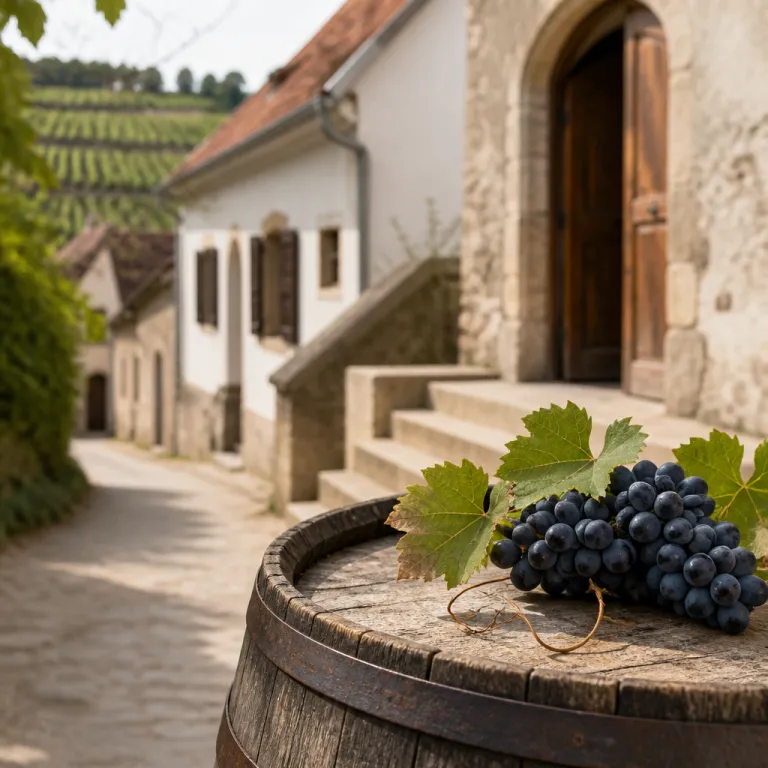
Why a Szekszárd wine region stay in Hungary belongs on your shortlist
Szekszárd is where a Szekszárd wine region stay in Hungary feels intimate rather than industrial. This compact wine region in southern Hungary sits in Tolna County, with rolling vineyards wrapped around a town of just over 34 000 people, so you taste serious wines without losing the sense of place. For couples who already know Tokaj or Villány, a stay in Szekszárd Hungary offers a quieter rhythm, with red wines, Baroque streets and family wineries all within walking distance.
The terroir is warm but not harsh, which makes this wine region ideal for the local kadarka grape and for kekfrankos blaufränkisch that keeps its freshness even in hot summers. These grape varieties underpin the best Szekszárd wine styles, from light, spicy kadarka to full bodied blends that layer merlot cabernet with cabernet franc and cabernet sauvignon. When you plan a Hungary Szekszárd itinerary, you are really planning days around vineyards, evenings around the cellar and nights in a wine estate guesthouse that still feels connected to town.
Luxury here is not about chandeliers but about access, because you can walk from your hotel to wineries Szekszárd locals actually use. A short stroll takes you from a Baroque square to a hillside winery, where a winemaker might pour a single vineyard red wine in the same cellar where their grandparents made Hungarian wine. That proximity makes a Szekszárd wine region stay in Hungary one of the best options for travellers who want to taste multiple varieties and styles without committing to a rigid tour bus schedule.
Terroir, kadarka and Bikavér: understanding Szekszárd in the glass
Szekszárd sits in southern Hungary, where loess soils and gentle hills create a warm cradle for red grape varieties. The signature grape here is kadarka, a pale red variety native to Hungary that gives translucent colour, lifted acidity and aromas of red berries and paprika spice. When local winemakers blend kadarka with kekfrankos and other grapes, they create Szekszárdi Bikavér, the region’s answer to the famous Bull’s Blood from Eger.
In Szekszárd the best Bikavér wines lean on kekfrankos for structure, then add cabernet, merlot cabernet and sometimes franc cabernet to deepen the mid palate. The result is a family of red wines that range from medium bodied, food friendly styles to genuinely full bodied cuvées that can age for a decade, yet still show the savoury, earthy character of Hungarian wine. When you taste these wines at a winery cellar, you feel how the region’s climate and vineyards shape each style, from bright, spicy kadarka to darker, more concentrated blends.
Staying in town lets you explore these wine styles on foot, moving from one winery to another without worrying about driving after a long tasting flight. You can spend the morning comparing different Bikavér interpretations, then walk back through the Baroque centre to a refined guesthouse that feels closer to a small palace than a rural inn. For travellers who enjoy Budapest’s polished properties in District V, such as those discussed in analyses of how international brands reshape central hotel stock, Szekszárd offers a contrasting, more personal expression of Hungarian hospitality.
Baroque lanes and cellar doors: exploring Szekszárd entirely on foot
The charm of a Szekszárd wine region stay in Hungary is that you rarely need a car once you arrive. The historic centre is compact, with Baroque facades, church towers and small squares that you can cross in minutes, yet the vineyards begin just beyond the last townhouse. That scale means you can design a day that moves from cellar to cellar, then back to your hotel, entirely on foot or with a short taxi ride when needed.
Local guides offer walking tours that weave together wine and architecture, and one typical outline runs exactly as the dataset describes : “Morning: Cellar visits”, “Afternoon: Baroque lane walk”, “Evening: Vineyard guesthouse stay”. On such a route you might start in a traditional cellar carved into the hillside, tasting Szekszárd wine from kadarka and kekfrankos, then continue to a more contemporary wine estate that experiments with cabernet franc and cabernet sauvignon. The town’s size, just 36.34 km², keeps everything close, so you can compare wineries Szekszárd side by side without losing time in transit.
As daylight softens, the Baroque lanes fill with locals heading to dinner, and you can follow them to restaurants that understand how to pair regional red wine with seasonal dishes. A glass of medium bodied red from family wineries works beautifully with paprika spiced sausages, while a full bodied blend of merlot cabernet and cabernet sauvignon stands up to slow cooked beef. If you enjoy riverside elegance at larger Budapest properties such as the Novotel Budapest Danube, you will appreciate how Szekszárd trades Danube views for vineyard horizons and the intimacy of a winemaker pouring your glass.
Guesthouses between the vines versus town stays: choosing your style of luxury
For a Szekszárd wine region stay in Hungary, your first decision is whether to sleep among the vineyards or in the Baroque centre. Vineyard guesthouses, some designed by építész stúdió and other contemporary architects, place you directly between the vines, with sunrise over the grape rows and a cellar just a few steps away. Town guesthouses and small upscale hotels, by contrast, give you immediate access to cafés, churches and evening walks through historic streets.
Staying on a wine estate suits couples who want to wake up to silence, then walk straight into a tasting of red wines before breakfast has fully settled. Many of these properties are run by family wineries, so you might share a table with the winemaker, discussing grape varieties and wine styles while sampling kadarka, kekfrankos and cabernet based blends. The luxury here is conversational rather than formal, and it works especially well if you are planning several days focused on Hungarian wine and local food.
Choosing a refined address in town makes sense if you prefer restaurant hopping and spontaneous evening plans, because taxis to the vineyards remain short and affordable. You can spend the day at a hillside winery cellar, then return to a polished room with high thread count linens and a short stroll to dinner, much like staying near a Michelin starred dining room in Budapest as outlined in the guide to hotels within walking distance of top tasting menus. Both options let you explore the best of Szekszárd Hungary, so the choice comes down to whether you want vineyard quiet or Baroque street life at your doorstep.
Cellar circuits, southern detours and how to plan your Szekszárd stay
Planning a Szekszárd wine region stay in Hungary starts with logistics, because you want maximum time in the cellars and minimum time on the road. Szekszárd lies on the main rail line between Budapest and Pécs, so you can arrive by train in around two hours, then rely on walking, taxis and pre booked transfers to reach the vineyards. Once in town, methods such as guided tours and self guided walks, supported by maps from the tourist office, make it easy to build your own cellar circuit.
Many travellers pair Szekszárd with nearby Villány and the Mecsek hills around Pécs, creating a multi day southern Hungary itinerary that balances wine and culture. Villány leans even more towards full bodied red wine, with cabernet sauvignon and cabernet franc dominating, while Szekszárd keeps a stronger focus on kadarka, kekfrankos and Bikavér blends that echo the Bull’s Blood tradition. Pécs adds museums, early Christian tombs and café culture, so you can spend one day tasting at a winery in Szekszárd, the next hiking in the Mecsek, and another comparing wine styles in Villány.
To make the most of this region, follow three simple rules : wear comfortable shoes, book accommodations in advance and check local event schedules. “Increased wine tourism”, “Restoration of Baroque buildings” and “Development of vineyard accommodations” are not abstract trends here, but visible in the freshly painted facades and new guesthouses rising among the vineyards. When you combine that infrastructure with the warmth of local hosts and the depth of Hungarian wine culture, Szekszárd becomes one of the best small regions in Hungary for couples who want a refined, walkable escape built around the cellar.
Food, pairings and when to go for the best Szekszárd experience
Food is central to any Szekszárd wine region stay in Hungary, because the local table is built around the same flavours that define the wines. Traditional dishes lean on pork, paprika and slow cooking, which makes them natural partners for medium bodied red wines based on kadarka and kekfrankos. Grilled sausages, stuffed cabbage and rich stews all find balance when matched with a juicy red wine that has enough acidity to cut through the fat.
For more structured blends that combine merlot cabernet, cabernet sauvignon and cabernet franc, look for grilled beef, game or aged cheeses that can stand up to the tannins. These full bodied wines often show dark fruit, tobacco and spice, and they echo the historic Bull’s Blood legend while remaining distinctly Szekszárd in style. White wines exist here, but the region’s reputation rests firmly on red wine, so plan your meals around grape varieties and wine styles that highlight the depth of Hungarian wine rather than chasing a token white.
As for timing, “When is the best time to visit? May to September for festivals and warm weather.” That said, cellar doors in this wine region operate year round, and the official guidance notes that the event period is flexible, so you can plan a quieter off season trip if you prefer empty tasting rooms. Whenever you go, coordinate with local winemakers and guesthouse hosts in advance, because a Szekszárd Hungary stay works best when tastings, walks and dinners are stitched together into one unhurried, deeply local experience.
FAQ
What is Kadarka and why does it matter in Szekszárd?
Kadarka is a red grape variety native to Hungary, and it is one of the historical pillars of Szekszárd’s wine identity. In this region it produces light coloured, aromatic red wines with bright acidity and spicy, sometimes paprika like notes. Winemakers often use kadarka both as a single varietal wine and as a key component in Szekszárdi Bikavér blends.
Are guided walking tours of Szekszárd’s cellars and Baroque centre available?
Yes, local guides offer tours that combine cellar visits with walks through the Baroque lanes and main squares. These tours typically follow a structure similar to the reference itinerary, with morning tastings, an afternoon architectural stroll and an evening in a vineyard guesthouse. Booking in advance is recommended, especially during the May to September high season.
Do I need a car for a Szekszárd wine region stay in Hungary?
You can comfortably experience Szekszárd without a car, because the town is compact and many wineries sit within walking or short taxi distance. Travellers usually arrive by train from Budapest or Pécs, then rely on taxis, pre arranged transfers and guided tours for vineyard access. A car becomes useful only if you plan to link Szekszárd with more remote villages or extensive hiking in the Mecsek hills.
When is the best time to visit Szekszárd for wine travel?
The warm months from late spring to early autumn offer the most lively atmosphere, with festivals, outdoor tastings and long evenings on winery terraces. Official guidance highlights May to September as the prime window for events and comfortable weather. Outside this period, cellars remain open, and a quieter off season visit can mean more time with winemakers and less crowded tasting rooms.
What should I pack for a walking focused stay in Szekszárd?
Comfortable walking shoes are essential, because much of the pleasure here comes from exploring Baroque streets and vineyard paths on foot. Pack layers to handle cool cellar temperatures and warmer afternoons, and consider a small daypack for maps, water and purchased bottles. Since many experiences involve stepping into working cellars and vineyards, smart casual clothing that you do not mind getting slightly dusty works best.
Sources
Hungarian Tourism Agency; Traveldojo; local Szekszárd municipality tourism office.