Is September a good time to visit Hungary for luxury travel?
For couples planning a refined escape, September in Hungary combines gentle early autumn weather, quieter streets and more flexible five-star pricing. From Budapest’s grand hotels and historic thermal baths to Lake Balaton and the wine regions, this shoulder season lets you experience the country’s highlights with more space and attentive service.
The temperature sweet spot: why september flatters Hungary’s grand hotels
Hungary in September sits in a rare climatic sweet spot. In Budapest, early autumn usually brings comfortable daytime temperatures around the low 20s °C and cooler nights, which makes this one of the best months for a refined city break that moves easily from morning galleries to late night wine without the weight of summer heat. According to long-term climate data from the Hungarian Meteorological Service and Weather Atlas, average September highs in Budapest hover around 22–23 °C, with significantly fewer heatwave days than in July or August. For luxury travelers planning a trip to Hungary, those conditions matter more than any marketing slogan about “endless sunshine.”
In peak summer the city can push past 35 °C, turning a walk from the Chain Bridge to Heroes’ Square into an endurance test rather than a pleasure. During a September journey through Hungary, the same day feels measured and elegant, so you can cross from Pest’s city center to Buda Castle by funicular, then continue on foot to Fisherman’s Bastion without arriving drenched. This is also an ideal time to visit Hungary’s legendary thermal baths, because the air is cool enough to make a late evening soak feel indulgent rather than stifling, especially at outdoor pools where steam rises visibly once the sun drops.
Luxury hotels understand this season better than most, and they quietly adjust their service choreography. Concierges at properties such as Four Seasons Hotel Gresham Palace Budapest and the Matild Palace report that “Is September a good time to visit Hungary?” is now one of the most frequent questions from international guests, and the answer is always the same: “Yes, for fewer crowds and pleasant weather.” For couples, that means you can reserve a river-facing suite, enjoy a slow day in the spa’s main thermal pool, then step out for a wine-focused dinner without fighting the dense summer festival crowds that dominate the country in August.
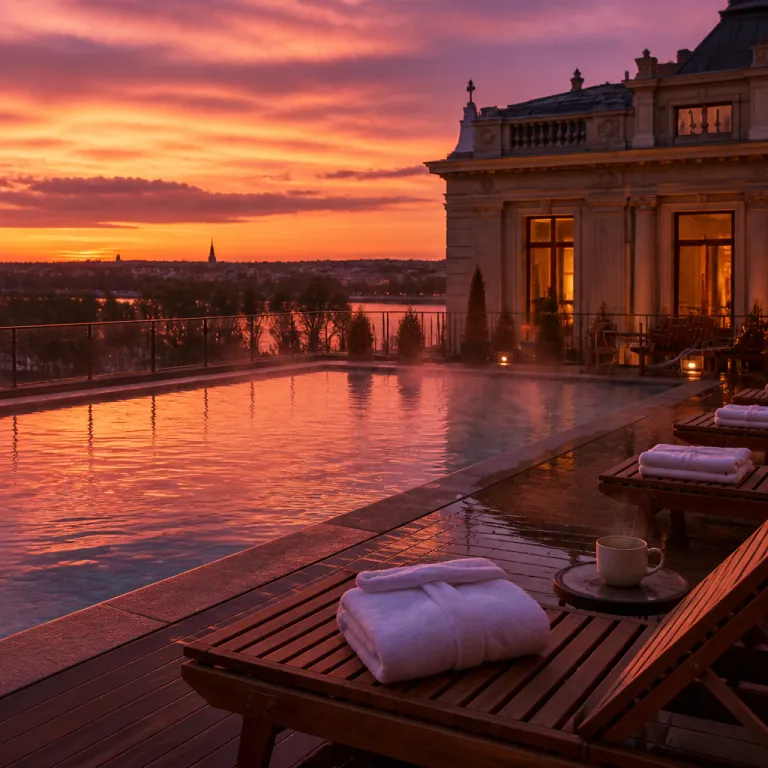
Hungary’s thermal culture feels particularly well suited to this shoulder season. A September day might start with a private cabana at a hotel’s rooftop thermal bath, continue with a curated visit to Széchenyi or Gellért Baths, and end with a glass of Tokaj wine on a terrace overlooking the city. Because early autumn in Budapest is typically one of the drier periods of the year, with rainfall lower than in late spring, most days in Hungary offer enough clear time to visit a castle, stroll a lakeside promenade, and still return to the hotel spa before dinner.
Budapest in september: thermal terraces, cultural openings and quieter riverside stays
Budapest in September feels like a city exhaling after the intensity of summer. The Danube embankments are still bathed in warm weather light, yet the crowds thin enough that a walk across the Chain Bridge becomes a calm ritual rather than a photo scrum. For couples focused on early autumn travel to Hungary, this is the moment when the city’s luxury hotels and thermal baths align with the cultural calendar.
Opera and concert seasons restart, galleries unveil new shows, and the first wine festival weekends appear in the courtyards of Buda. The Budapest Wine Festival at Buda Castle, for example, usually takes place in early to mid-September, with exact dates published each year by the Budapest Festival and Tourism Center and the official festival organizers, while the Liszt Academy and Hungarian State Opera reopen with new programs. Staying near the city center allows you to move easily between a morning at Buda Castle, an afternoon at Heroes’ Square and the museums, and an evening tasting Hungarian wine flights in a hotel bar that finally has seats available. Most attractions remain fully open in September, and as one local guide likes to reassure guests, “Are tourist attractions open in September? Yes, most remain open with shorter lines.”
Thermal culture is where Budapest’s luxury properties really shine in this season. A well-planned day might pair a private spa suite at a riverside hotel with access to a historic thermal bath, followed by a sunset walk on Margaret Island when the trees just begin to shift towards autumn colors. For deeper context on where to stay near the island’s leafy paths and open-air pools, our guide to Margaret Island’s park side hotels remains relevant long after July, especially for couples who prefer quiet over festival noise.
Public transport in Budapest supports this style of slow luxury travel. Trams glide along the riverfront, metro lines link the grand hotels of Pest with the hills of Buda, and taxis remain easy to secure outside major properties even on busy festival days. With fewer tourists in the country overall, a September trip to Hungary lets you enjoy the same architectural drama, the same thermal baths and castle views, but with more space, more attentive service, and room to improvise a spontaneous day trip without worrying that every premium option is already booked.
Lake Balaton and the wine regions: warm water, harvest tables and quieter shores
By September, Lake Balaton has absorbed an entire summer of sun, and the water often feels warmer than the air. That makes a September escape to Hungary uniquely appealing for couples who want to swim in the lake by day and retreat to a vineyard hotel by night. The crowds that packed Lake Balaton in August have largely gone home, leaving the promenades and marinas to a calmer, more adult audience.
On the north shore, luxury and premium properties lean into the harvest season. Vineyards above the lake host intimate wine festival weekends in areas like Badacsony and Csopak, while hotel concierges arrange private tastings that pair Balaton wines with views stretching across the water to the opposite shore. This is one of the best times to visit Lake Balaton if you care more about wine and warm water than about beach parties, and it is also when rates at lakeside hotels often soften noticeably compared with peak summer levels.
Beyond Balaton, September and early October mark the start of harvest in regions like Tokaj, Eger, Szekszárd and Villány. Many estates open their cellars for visitors, and a well-planned trip to Hungary can combine a few days in Budapest with a countryside stay on the Great Plain, where horse farms and traditional csárda suppers feel especially atmospheric in the softer autumn light. Our detailed guide to overnight stays on the Puszta outlines which properties balance authentic rural life with the comfort level luxury travelers expect.
For couples, the rhythm of days in Hungary at this time becomes almost meditative. Swim in the lake in the late morning, linger over a long lunch on a terrace, then spend the late afternoon walking through vineyards as the sun drops behind Balaton’s volcanic hills. When winter eventually returns and the country shifts back to thermal bath rituals and Christmas markets, you will remember that September was the month when you could still float in warm water, drink young wine, and feel that the season belonged almost entirely to you.
Booking strategy: how to use september’s shoulder season to upgrade your stay
Hungary’s shift from peak summer to shoulder season is not just a weather story; it is a pricing story. As domestic and international demand eases after August, many five-star properties quietly release more attractive September offers, especially for stays of three or more days. For couples planning a trip to Hungary, this is the moment when a room category upgrade or spa package suddenly moves into reach.
Start by targeting stays that include weekdays, when corporate travel has not yet fully ramped up and leisure demand has already softened. In Budapest, properties near the city center and along the Danube often show the sharpest contrast between August and September rates, so a river-view suite with easy access to public transport and the Chain Bridge may cost little more than a standard room did in high season. Outside the capital, lakeside and wine-region hotels around Balaton and in the countryside also tend to discount more heavily once the main beach and festival season ends.
Booking one to two months ahead usually secures the best balance between choice and price. Because September and early October are increasingly popular for cultural trips and wine festival weekends, the most desirable rooms at castle hotels and spa resorts can still sell out, even if overall demand in the country is lower than in July. For couples who like to improvise, it is still possible to plan a last-minute day trip or add extra days in Hungary, but the smartest move is to lock in anchor properties early and leave only shorter stays flexible.
Think of a September itinerary in Hungary as a way to test-drive the country’s top-tier hospitality without paying peak season premiums. You might spend one day in Budapest exploring Buda Castle and Fisherman’s Bastion, another on Margaret Island or at a historic thermal bath, then add a final stretch in a Balaton wine estate or a baroque border town like Sopron. Our feature on staying overnight in Sopron shows how a well-chosen regional base can turn a simple visit to Hungary into a layered, multi-day journey that feels both luxurious and quietly local.
FAQ about september stays in Hungary
Is September a good time to visit Hungary for a luxury trip?
Yes, September is one of the best times to visit Hungary if you value comfort, space and service. Weather in Budapest and around Lake Balaton is generally mild, with average highs in the low 20s °C, so you can enjoy thermal baths, castle visits and wine walks without the extremes of summer or winter. Luxury hotels also tend to offer better availability and more attractive rates than in July and August.
What should I pack for Hungary in september?
Pack light layers that you can adjust throughout the day, because mornings and evenings can feel cool while afternoons remain pleasantly warm. A compact umbrella or light rain jacket is useful, since short showers are possible even though rainfall is relatively low in early autumn. For thermal bath visits, bring a swimsuit, flip flops and a packable robe, as not every hotel or public bath provides all items without an extra fee.
Are tourist attractions and thermal baths open in september?
Most major attractions in Budapest and across the country remain fully open in September, often with shorter lines and fewer tour groups. Thermal baths operate year-round, and many locals consider this the ideal season because the contrast between cool air and hot water feels especially pleasant. Some smaller lake or festival-focused venues may reduce hours after the main summer season, so it is worth checking schedules when planning a specific day trip.
How many days in Hungary make sense for a september itinerary?
For a first early autumn itinerary in Hungary, plan at least four to six days in the country to balance Budapest with one additional region. A common pattern is three days in the capital for thermal baths, Buda Castle and city center culture, followed by two or three days at Lake Balaton or in a wine region. If you have more time, adding a night in a countryside castle hotel or a baroque town like Sopron creates a richer sense of the country’s different faces.
How does september compare with winter and the Christmas markets?
September offers warm weather, outdoor swimming at Lake Balaton and harvest season wine events, while winter focuses on Christmas markets, indoor thermal rituals and festive city lights. If you enjoy strolling in light clothing, dining on terraces and swimming in natural water, September is the better fit. Travelers who prefer mulled wine, snow-dusted streets and evening visits to thermal baths under frosty air may find that December and January suit them more, though hotel prices and crowds can be higher around major holidays.
Trusted references
Hungarian Tourism Agency; Hungarian Meteorological Service (OMSZ) climate statistics; Weather Atlas (Budapest climate overview); Budapest Festival and Tourism Center; official organizers of the Budapest Wine Festival at Buda Castle.