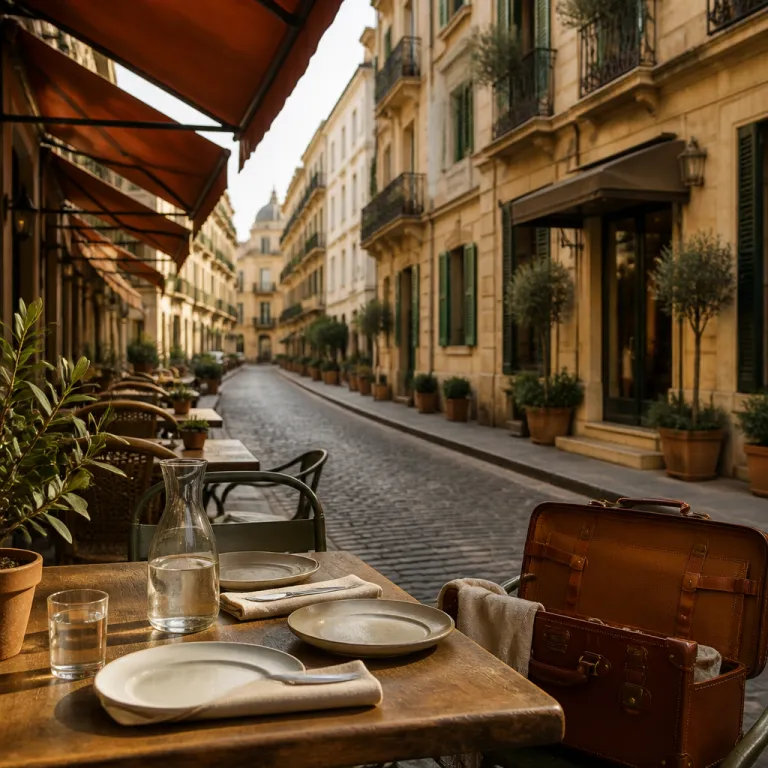
Mapping budapest restaurant neighbourhood hotels for a summer stay
Budapest is a city where lunch plans quietly become overnight stays. For couples, the real luxury is choosing Budapest restaurant neighbourhood hotels that keep you within a few minutes’ walk of the tables you care about most. In this guide, we treat every district as a dining room and every hotel as the next course in a long, slow meal.
The capital splits into Buda and Pest along the Danube River, and that single river line shapes how you eat, drink and stay. On the Buda side, the Castle District and the wider Buda Castle Hill feel historic and hushed, while Pest delivers a denser grid of street life, restaurants and late night wine bars. Your choice of hotel in this layered Budapest city is less about star ratings and more about which neighbourhood you want to walk through after dessert.
Think of this as a geography of flavour rather than a simple hotel list. We move from the Castle District’s fine dining terraces to the Jewish Quarter’s ruin bar streets, then down to District IX where creative kitchens are changing the city centre map. Along the way, we look at how hotels Budapest wide are rewriting their rooms, inner courtyard spaces and wine lists to match the new Hungarian culinary confidence.
Budapest restaurant neighbourhood hotels work best when the property and the area speak the same language. A quiet hotel Budapest address on a side street near the Hungarian Parliament Building suits couples who want riverfront walks and refined dinners. A stay in the Jewish Quarter or near the Great Market Hall suits travellers who want to step from lobby to late service without ever checking a public transit timetable.
Across the city, more than 3,000 restaurants compete for your appetite, from traditional Hungarian goulash houses to minimalist natural wine bars, according to figures from the Budapest Festival and Tourism Centre (2022). Official tourism data from the Hungarian Central Statistical Office (HCSO, 2023) also shows an average hotel price per night around 120 USD, which helps couples stretch a long weekend into a slower, more indulgent stay. With that value in mind, the real question becomes where in Budapest city you want to wake up hungry.
Buda castle district: fine dining above the river and quiet-luxury stays
High above the Danube River, the Buda Castle District has quietly become Budapest’s most interesting fine dining stage. Cobblestone street corners that once held only museums and ministries now host tasting menus, wine focused restaurants and terrace bars with long views across to Pest. Staying up here turns dinner into a slow ritual, because you are already home when the last glass of furmint is poured.
For couples, the Castle District is a good choice when you want a calm hotel with character and a sense of historic depth. Many hotels in this area occupy renovated townhouses with thick walls, compact rooms and an inner courtyard where breakfast feels like a private garden. Boutique properties near Matthias Church or Fisherman’s Bastion, such as the Hilton Budapest or the cosy Baltazár Boutique Hotel, often include small wellness areas instead of large lobbies, and you trade immediate access to the city centre for a more intimate neighbourhood rhythm, then cross the river by tram or taxi for Pest lunches and late night tours.
From Buda Castle’s ramparts you see the Chain Bridge, the Hungarian Parliament Building and the long curve of the Pest embankment. That view explains why some travellers base their entire stay on this side of the river, using public transit or short rideshares to reach the opera house, the Great Market area or the Jewish Quarter. Tram 19 and 41 run along the Buda embankment, while Metro line M2 links Széll Kálmán tér to Deák Ferenc tér, and the reward is returning each night to a quiet hilltop rather than a busy nightlife district, with walking times of around 20–30 minutes or a 10–15 minute tram and metro ride back from central Pest.
Budapest restaurant neighbourhood hotels in Buda are fewer but often more residential in feeling. Expect smaller hotels Budapest side with fewer rooms, attentive staff and a focus on Hungarian wine and seasonal menus rather than sprawling facilities. When you want a romantic city escape, that trade off feels like luxury rather than compromise, especially if you pair a castle-side tasting menu at places like Alabárdos or the rooftop terrace of Felix Kitchen & Bar with a slow walk home past floodlit façades.
The Castle District also connects easily to wider Hungarian escapes, from Danube River cruises to thermal retreats beyond the capital. If you are planning a longer itinerary, pairing a few nights here with a countryside spa stay can work beautifully, and resources such as this detailed analysis of Budapest’s evolving room inventory and Pest’s hotel map help you understand how the city’s accommodation scene is shifting. For couples who like to walk, the combination of hilltop sunsets, riverside strolls and quiet streets after dinner is hard to beat.
District V and the Great Market Hall: convenience, crowds and riverfront classics
Drop down from Buda to Pest and District V wraps around the inner curve of the Danube River like a polished necklace. This is the postcard centre of Budapest city, where the Chain Bridge, the Hungarian Parliament and the Great Market Hall sit within a compact, walkable area. For many visitors, Budapest restaurant neighbourhood hotels start here, because the city centre feels instantly legible.
Staying near the Great Market Hall puts you at the junction of tourist energy and genuine food culture. Stalls upstairs serve lángos and chimney cake, while the surrounding streets hide wine bars, modern Hungarian restaurants and cafés that still feel local at breakfast. The trade off is density, because this district attracts walking tours, river cruise groups and day trippers from morning until late evening, especially in peak summer.
Hotels Budapest side in this district range from large riverfront properties to smaller addresses tucked into side streets. A hotel Budapest room with a Danube River view costs more, but you gain the pleasure of watching boats slide past while you dress for dinner. Step back a block or two and you find quieter hotels with an inner courtyard, such as Hotel Zenit Budapest Palace or the art deco-style Danubius Hotel Astoria, which can be a nice buffer from the city noise and a practical choice if you prefer early nights.
From here, almost everything is a minute walk or a short tram ride away. The opera house, St Stephen Basilica, the Parliament Building and the Chain Bridge all sit within a tight radius, which makes this neighbourhood a strong base for first time visitors. Tram 2 traces the riverfront, Metro lines M1, M2 and M3 intersect at Deák Ferenc tér, and English menus are common in restaurants, so the recurring question “Is Budapest walkable for tourists?” is answered simply in official guidance as “Yes, especially central districts.”
For couples who care more about food than nightlife, District V is a good choice if you accept the crowds. You can graze at the Great Market by day, book a riverfront restaurant at night and still slip back to your rooms without needing public transit. Families planning multi generational trips will also find this central base helpful, and resources such as a thoughtful weekend guide that layers Habsburg history with child friendly stops show how flexible the area can be.
Jewish Quarter and District IX: from ruin bars to gastro-creative streets
Move east from the river and the Jewish Quarter in District VII shifts the mood entirely. Here, narrow street grids hold ruin bars, natural wine spots and small restaurants that stay open late, drawing a younger, looser crowd. For couples who like energy with their dinner, Budapest restaurant neighbourhood hotels in this area keep you close to the action.
The Jewish Quarter’s hotels range from design forward properties to simple city stays, but the constant is proximity. You step out from your rooms and within a minute walk you are in front of a wine bar, a ramen counter or a Hungarian bistro serving modern takes on goulash. This is also where English menus are almost guaranteed, and where fusion cuisine has taken firm root across multiple restaurants, from courtyard spots like Mazel Tov and Dobrumba to contemporary kitchens on side streets such as Fricska or Gettó Gulyás.
South of here, District IX (Ferencváros) has been shifting from residential to gastro creative. Formerly quiet streets now host craft beer bars, contemporary Hungarian kitchens and cafés that roast their own beans, changing how travellers read the map of Budapest city. The neighbourhood’s hotel presence is still emerging, but each new hotel Budapest opening, from budget-friendly stays near Boráros tér to design-led options around the renovated Corvin Quarter, brings more couples willing to stay slightly outside the traditional city centre for better food and easier last minute reservations.
Public transit ties these districts tightly to the rest of Pest and to Buda across the river. Trams run along the Danube River embankment, while metro lines cut under the city, making it easy to dine in District IX and still catch a late drink near the Chain Bridge. Tram 4–6 runs through the Grand Boulevard, Metro M3 links Kálvin tér to the airport bus at Kőbánya-Kispest, and for many repeat visitors this flexibility makes a stay in Pest more appealing than a postcard view from Buda, because you can move between dinner districts in 15–20 minutes.
Budapest restaurant neighbourhood hotels in these districts suit travellers who want to feel the city’s current rather than its ceremony. You might spend one night in a Jewish Quarter hotel with a lively inner courtyard bar, then shift to a quieter address near the Great Market area for the rest of your stay. Families or couples planning longer itineraries can also weave in day trips and thermal soaks, using thoughtful city guides that balance food, history and relaxation as planning tools.
Danube terraces, Hungarian wine lists and choosing your side of the river
From late spring through early autumn, Budapest lives outdoors along the Danube River. Terraces line both banks, from simple wooden decks near the Great Market area to polished hotel patios facing the Hungarian Parliament and Buda Castle. Eating outside becomes a ritual, and the question for couples is which side of the river you want to call home.
On the Pest embankment, summer evenings feel busy and bright. Restaurants and hotels Budapest side set tables almost to the street edge, and you can walk from St Stephen Basilica down to the river in a few minutes, stopping for aperitifs and small plates along the way. This is where Budapest restaurant neighbourhood hotels blur into the city itself, because the lobby bar often spills directly onto the pavement and the line between guest and local becomes pleasantly thin.
Buda’s riverfront is calmer, with fewer restaurants but wider views back to the city centre skyline. A hotel Budapest address here suits couples who want to watch the Chain Bridge light up and the Parliament Building glow across the water, then retreat to quieter rooms. You cross the river for dinner in Pest, then return by tram or taxi when the streets thin out, trading a slightly longer ride for a more peaceful night.
Hungarian wine now plays a central role on both sides of the river. Varieties such as furmint, kadarka and kékfrankos appear on hotel lists and in neighbourhood restaurants, often by the glass, which makes it easy to taste widely without leaving your area. Some properties even organise informal tastings in their inner courtyard, turning pre dinner drinks into a small tour of the country’s regions and giving couples a relaxed way to learn what they like.
For couples planning a longer stay, it can be tempting to pair Budapest with a thermal or wine country escape. Resources such as a dedicated guide to thermal hotels beyond Budapest, from Hévíz to Eger and lesser known soak circuits, help you extend the rhythm of long lunches and slow dinners into the countryside. Whether you base in Buda for the view or in Pest for the restaurants, the key is choosing a neighbourhood whose streets you will enjoy walking at every hour.
How to choose among budapest restaurant neighbourhood hotels for a romantic stay
Choosing among Budapest restaurant neighbourhood hotels starts with one simple question. Do you want to walk home through quiet, historic streets or through lively, late night neighbourhoods filled with restaurants and bars? Your answer will point you toward Buda’s Castle District calm or Pest’s denser grid of dining areas.
Couples who value calm often lean toward the Castle District or the elegant streets around the Hungarian Parliament and St Stephen Basilica. Here, hotels Budapest side tend to offer fewer rooms, more tailored service and a sense of distance from the busiest city centre corners. You might trade immediate access to the Jewish Quarter for the pleasure of hearing only church bells and river traffic when you open your window.
If you prefer to be in the thick of things, the Jewish Quarter, District V near the Great Market and the evolving District IX are your natural base. These neighbourhoods place you within a minute walk of multiple restaurants, wine bars and cafés, and public transit links make it easy to cross the river for a Buda Castle sunset or a Chain Bridge stroll. For many food focused travellers, this side of Budapest city feels like the better long weekend choice, especially when you can plan simple two or three night itineraries that move from market breakfasts to late night wine bars.
Practicalities matter too, especially for couples balancing romance with logistics. Reserve tables in advance for sought after restaurants, especially on summer weekends, and use public transit or walking tours to understand how each district connects to the next. “What are the must-try dishes in Budapest?” is answered simply by local experts as “Goulash, chimney cake, and lángos,” with many mid range restaurants charging around 10–15 USD for a main course in 2023–2024.
As you compare hotels, look beyond star ratings to the specific street, the feel of the inner courtyard and the way the property relates to its neighbourhood restaurants. A nice hotel in a slightly quieter area can still keep you close to the city’s best tables if tram lines and river crossings are convenient. In a city where lunch often turns into an overnight stay, the most luxurious choice is a hotel whose front door always feels like the next course rather than the end of the meal.
FAQ
Is Budapest walkable for food-focused travelers ?
Central districts in Budapest are very walkable, especially District V, the Jewish Quarter and the streets around the Great Market Hall. Sidewalks are generally wide, riverfront promenades are flat and most key restaurant neighbourhoods sit within a few kilometres of each other. Many couples comfortably walk between dinner, drinks and their hotel without needing taxis.
Which district is best for a first stay focused on restaurants ?
For a first visit, District V and the adjacent Jewish Quarter in Pest work best for restaurant access. You are close to the Danube River, the Chain Bridge, the Parliament Building and a dense cluster of dining options at every price point. From here, it is easy to reach Buda Castle or the opera house by public transit for more formal evenings.
Are English menus common in Budapest restaurants ?
English menus are widely available in the main restaurant neighbourhoods of Budapest, especially around the city centre, the Great Market Hall and the Jewish Quarter. Staff in hotels and many restaurants also speak good English, which makes ordering and asking for recommendations straightforward. In more residential districts, you may see fewer translations, but servers usually help explain dishes.
Should couples stay in Buda or Pest for a romantic trip ?
Buda offers quieter streets, historic views and easy access to the Castle District, which suits couples who prioritise calm and scenery. Pest delivers more restaurants, bars and nightlife within a compact grid, ideal for travellers who want to walk to dinner and linger late. Many visitors split their stay between both sides of the river to experience two different moods in one trip.
Do I need to book restaurants and hotels far in advance in summer ?
Summer is a popular season, so booking both hotels and key restaurants in advance is wise, especially for weekends. Riverfront terraces, fine dining rooms in the Castle District and well known places near the Great Market Hall fill quickly. Flexible travellers can still find last minute options, but planning ahead gives couples better choice of both rooms and tables.