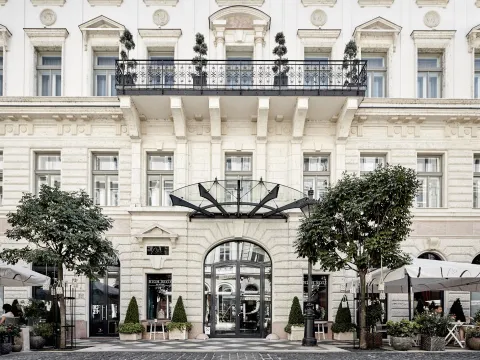
Discover how to choose the best hotel in Budapest city center: understand key districts, typical walking times, transport access, facilities and review patterns so you can book a well-located, quiet and comfortable base for your stay.
Why Budapest city center is such a strong choice
Step out of your hotel in Budapest city center and you are rarely more than a few minutes’ walk from something memorable. A thermal bath, a Danube promenade, a café where the marble tables have seen a century of chess games – this is the daily scenery when you stay in the historic core of Budapest, Hungary. For most travelers, the city centre is the smartest location if you want to feel the rhythm of the capital without spending half your stay in taxis or on trams.
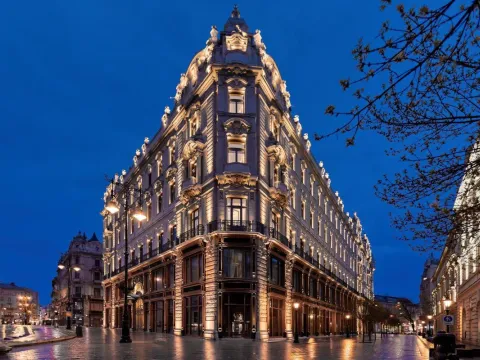
The central districts concentrate many of the best hotels Budapest can offer, from discreet five star hotels in restored palaces to contemporary residences tucked into quiet side streets. Around landmarks such as the Hungarian Parliament Building, St. Stephen’s Basilica and Deák Ferenc tér, you gain quick access to the main bridges, the riverfront, and the grand boulevards, which makes a short stay Budapest break far more efficient. If your priority is to walk out after breakfast and be in front of the Parliament or on Váci utca within a quarter of an hour, this is where you should book.
There is a trade off. A hotel Budapest address in the liveliest streets can mean late night noise, especially on weekends in the party-heavy parts of the city. Those who prefer calm should look for a location city side street rather than directly on the busiest squares. Still, for first time visitors and culture-focused travelers, the concentration of museums, cafés and restaurants in the city center outweighs the drawbacks.
Understanding the central districts and micro-neighborhoods
District V, wrapped around the Danube on the Pest side, is the classic postcard Budapest city setting. Here you find elegant façades, government buildings, and a dense grid of streets between the river and the inner ring road, with many hotels lining or just off Váci utca Budapest, the main pedestrian artery. This area suits travelers who want a refined, walkable base with easy access to the river cruises and the Chain Bridge; from here, most guests reach the Parliament or St. Stephen’s Basilica in roughly 10–15 minutes on foot.
Move a few blocks inland into District VI and VII and the atmosphere shifts. Around Andrássy út and the side streets leading towards the Opera, the city center blends residential buildings and stylish hotels, often in 19th century townhouses. Farther into District VII, the so called “ruin bar” quarter becomes livelier, with a younger crowd and a denser nightlife scene. Here, staying a minute walk from the main bar streets can mean the difference between energetic evenings and unwanted noise at night; for a quieter base, many visitors choose streets closer to Oktogon or the Opera metro stop rather than right by Kazinczy utca.
On the Buda side, the central districts feel more residential and hilly, with fewer large hotels but a calmer, almost village-like atmosphere in some streets below the Castle District. This side works well if you prefer views and quiet over immediate access to every sight. In all these areas, the key is to read the reviews location comments carefully and decide whether you want to be in the thick of it or just slightly removed.
What to expect from rooms, bathrooms and facilities
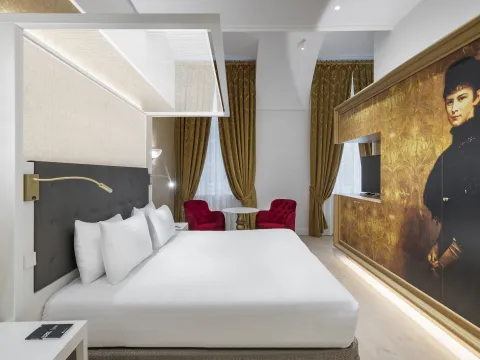
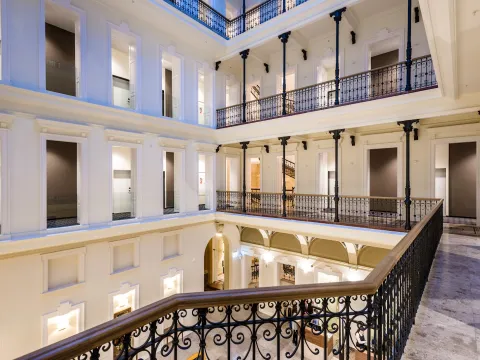
Rooms in central Budapest hotels tend to reflect the city’s architectural mix. In former mansions, you often get high ceilings, tall windows and a sense of volume, even in standard categories. In more contemporary city center properties, rooms are usually more compact but efficiently planned, with clean lines and a focus on storage and lighting. When you compare options, look beyond the headline room size and check how the layout will work for your style of stay.
In most quality hotels Budapest offers in the centre, bathrooms include walk in showers or combined bath and shower, with modern fixtures and good water pressure. Some older buildings still have smaller bathrooms carved out of historic floor plans, so pay attention to photos if space matters to you. Families or longer stays may prefer a residence style room or suite with a separate living area, which is increasingly common in renovated city properties.
Facilities vary widely. A few central hotels feature an indoor pool or small spa, sometimes in atmospheric vaulted basements that echo the city’s thermal culture. Others focus on a strong breakfast room, a bar, and perhaps a compact gym. Decide whether you truly need a pool or extensive wellness area for your Budapest hotel stay, or whether you would rather use the famous public baths and prioritize a better location or more generous room instead.
Location, transport access and getting around
Staying near a major railway station such as Keleti or Nyugati can be practical if you are arriving by train or planning day trips, but these areas feel more functional than atmospheric. For most leisure travelers, a hotel Budapest address between the Danube and the inner ring road offers a better balance of charm and convenience. From here, you can usually reach a metro stop or tram line within a few minutes’ walk, which makes the rest of the city easy to navigate.
Look closely at how a property describes its distance to key sights. “Ten minute walk to the river” can mean a pleasant stroll down a tree lined avenue, or a less inspiring route along a busy traffic axis. Check maps for the exact street name and orientation; a hotel on a quiet utca Budapest just off a main boulevard often gives you the best of both worlds. If you plan late evenings out, consider how well lit and lively the streets are between your hotel and the nearest tram or metro stop.
Airport transfers into the city center are straightforward, with taxis and shuttle services bringing you into the core districts in a predictable time frame outside rush hour. Once you are settled, you will likely walk far more than you expect. That is part of the pleasure of a stay Budapest in the centre: crossing the river on foot at night, or drifting back to your room through streets that still carry traces of the Austro Hungarian era in their stonework and courtyards.
Choosing the right style of hotel for your trip
Not every traveler needs the same kind of city Budapest base. If you are here for a short cultural break, a classic four or five star hotel in District V or VI, with a polished lobby and attentive service, will frame the experience elegantly. These properties often occupy historic buildings, with generous public spaces and a sense of occasion when you return at night. They suit travelers who value atmosphere and a certain formality.
Those on longer stays, or traveling with children, may prefer a residence style property in the city center, where rooms come with kitchenettes or separate sleeping areas. This gives you more flexibility for early nights, snacks, and quiet mornings. Digital nomads and remote workers often look for hotels that combine comfortable rooms with calm communal areas, reliable desk space, and easy access to cafés and co working spaces in the surrounding streets.
There are also simpler, well run three star hotels in central districts that focus on clean rooms, functional bathrooms and a solid breakfast rather than extensive facilities. These can be a good deal if you plan to spend most of your time out in the city and only need a comfortable, well located base. The key is to match the hotel’s character to your own travel rhythm, rather than chasing an abstract rating.
How to read ratings and make a confident choice
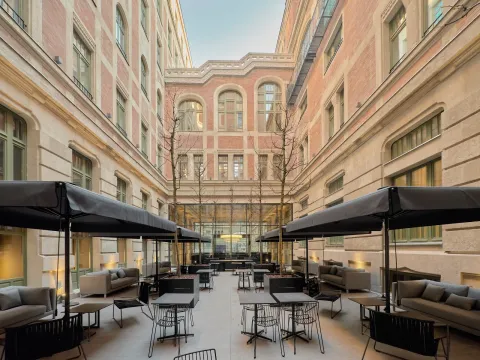
Ratings for central Budapest hotels tend to be high; the average rating in the core districts is strong, which can make it harder to distinguish between options. Instead of focusing only on the overall rating, look at patterns in reviews. When several guests mention the same strength or weakness – for example, consistently quiet rooms facing an inner courtyard, or noise from a nearby bar – you can treat that as a reliable signal.
Pay attention to comments about the location city specifics. A hotel described as “close to everything” might be perfect if you want nightlife, but less ideal if you are a light sleeper. Look for mentions of how many minutes’ walk it really is to the river, the metro, or major sights. When reviewers highlight that they felt safe returning late at night, or that the area felt deserted after dark, that should weigh into your decision as much as the star rating.
Finally, consider what matters most to you during the night. If you are sensitive to noise, prioritize properties where many guests praise the soundproofing or the calm of the inner rooms. If you care about design and atmosphere, focus on descriptions of the lobby, bar and common areas rather than only the room. A thoughtful reading of reviews, combined with a clear sense of your own priorities, will serve you better than chasing the highest possible rating.
Practical tips for a refined stay in Budapest city center
Booking a hotel in Budapest Hungary’s centre is not only about the property itself, but also about how you plan your days around it. Choose a location that lets you walk to at least one major cluster of sights – for example, the Parliament and riverfront, or the Opera and Andrássy út – so you can experience the city in layers rather than as a series of isolated trips. This reduces your time in transit and increases the number of unplanned discoveries on side streets and in courtyards.
When comparing hotels, think in terms of value rather than chasing the lowest eur figure. A slightly higher nightly rate that includes a generous breakfast, access to a small pool or wellness area, or late checkout can make your stay more relaxed. Some properties offer free extras such as complimentary coffee in the lobby or small evening tastings, which add texture to your experience without feeling like a sales pitch.
Finally, remember that the best deal is often the one that aligns with your travel style. If you plan to spend long days exploring, prioritize a comfortable bed, effective blackout curtains and a quiet room over elaborate public spaces. If your idea of a perfect city break involves lingering in the hotel bar or spa, then those spaces should carry more weight in your decision. In Budapest city center, you have enough variety to choose with intention rather than compromise.
Is Budapest city center a good area to stay for first-time visitors?
For a first visit, staying in Budapest city center is usually the most practical and rewarding choice. You are close to major sights on both sides of the Danube, with easy access to public transport and a dense concentration of restaurants and cafés. Walking between the river, the Parliament, the main shopping streets and the Opera becomes part of the experience, which is harder to achieve if you stay in outlying districts.
Which central district is best for a quieter stay?
If you want calm but still value a central location, look for hotels on side streets in District V or the more residential parts of District VI. These areas place you within walking distance of the river and key cultural venues, but you can avoid the noisiest nightlife streets. On the Buda side, central districts below the Castle also offer a quieter, more local feel while remaining well connected by tram and bus.
Is it better to stay near a railway station or in the historic core?
Staying near a railway station such as Keleti or Nyugati is convenient if you have early trains or frequent day trips, but the surroundings are more functional than atmospheric. The historic core around the river and inner districts offers a richer sense of place, with grand architecture and more refined dining options. For most leisure travelers, the city centre provides a better overall experience, even if it means a short transfer from the station on arrival.
Do central Budapest hotels usually have pools or wellness areas?
Only a portion of hotels in Budapest city center have a pool or full wellness area, often in higher category properties or those housed in larger buildings. Many central hotels instead focus on well designed rooms, good breakfasts and a bar or lounge. If a pool or spa is essential to your stay, make it a specific filter in your search rather than assuming it will be included.
How far in advance should I book a hotel in Budapest city center?
For peak periods such as major holidays, festivals or popular weekends, it is wise to book your Budapest hotel several weeks in advance to secure the best combination of location and room type. Outside these times, you will still find a wide choice in the city center, but the most desirable rooms in well located properties tend to be reserved earlier. Planning ahead gives you more freedom to choose a hotel that truly matches your priorities.