Honest guide to staying in Budapest’s District VIII Józsefváros: hotel styles, specific example properties, transport times, and what to expect from this residential yet central neighbourhood.
Staying in Budapest’s District VIII Józsefváros: Hotels, Atmosphere and Access
Why district VIII Józsefváros works as a hotel base
Trams rattling along József körút, students spilling out of cafés near Rákóczi tér, and the skyline of the city centre just beyond – this is the daily backdrop when you stay in district VIII, Józsefváros. The area sits just east of the historical core of Budapest, close enough that guests can reach the Danube or Váci utca in about 20–25 minutes on foot, yet far enough to feel more local than postcard. For many travellers choosing a hotel in Budapest Hungary, this district is the quiet insider option rather than the obvious one.
The hotel district here stretches from the renovated streets around Corvin sétány up towards the Grand Boulevard, with metro stations at Rákóczi tér and Corvin-negyed tying you into the rest of the city. You are not right on the river or under the Castle, but you gain easier access to everyday Budapest – markets, neighbourhood bars, small galleries. For a stay of several nights, that trade-off often feels good, especially if you value space and calm over a hyper-central address.
Compared with some Budapest popular areas in district V, availability in Józsefváros tends to be more forgiving, particularly outside peak summer and Christmas. That means more choice of room types and a better chance to check availability for specific dates without compromising on quality. The district also offers a wide spectrum of Budapest hotels, from discreet luxury properties to smaller, design-led addresses and simple, well-run places that focus on comfort rather than spectacle.
Atmosphere and urban fabric of Józsefváros
Turn onto Krúdy Gyula utca in the early evening and you feel the district’s character immediately: low light from wine bars, the clink of glasses, and a slower rhythm than in the party streets of Erzsébetváros. Józsefváros Budapest has long been a residential quarter, and that still shows in its courtyards, local bakeries, and the mix of grand 19th century façades with more modest apartment blocks. Staying here places you in a lived-in part of the city rather than a stage set for visitors.
The mood shifts as you move south towards Corvin-negyed, where new-build complexes and polished pedestrian streets contrast with older side alleys. Hotels in this part of district VIII often sit on quieter back streets just off the main boulevards, which keeps night-time noise down while leaving you close to tram and metro lines. It is a good compromise for guests who want to explore ruin bars and the inner city, then retreat to a calmer base at night.
For travellers comparing Budapest hotels by neighbourhood, Józsefváros stands between the stately feel of district V and the bohemian energy of district VII. You will not have a Danube panorama from your window, but you may wake to the sound of church bells from a side street off Baross utca or to the bustle of a local market. That everyday soundtrack, for many, is precisely the appeal of choosing a hotel Budapest address in this area.
Hotel styles and comfort levels in district VIII
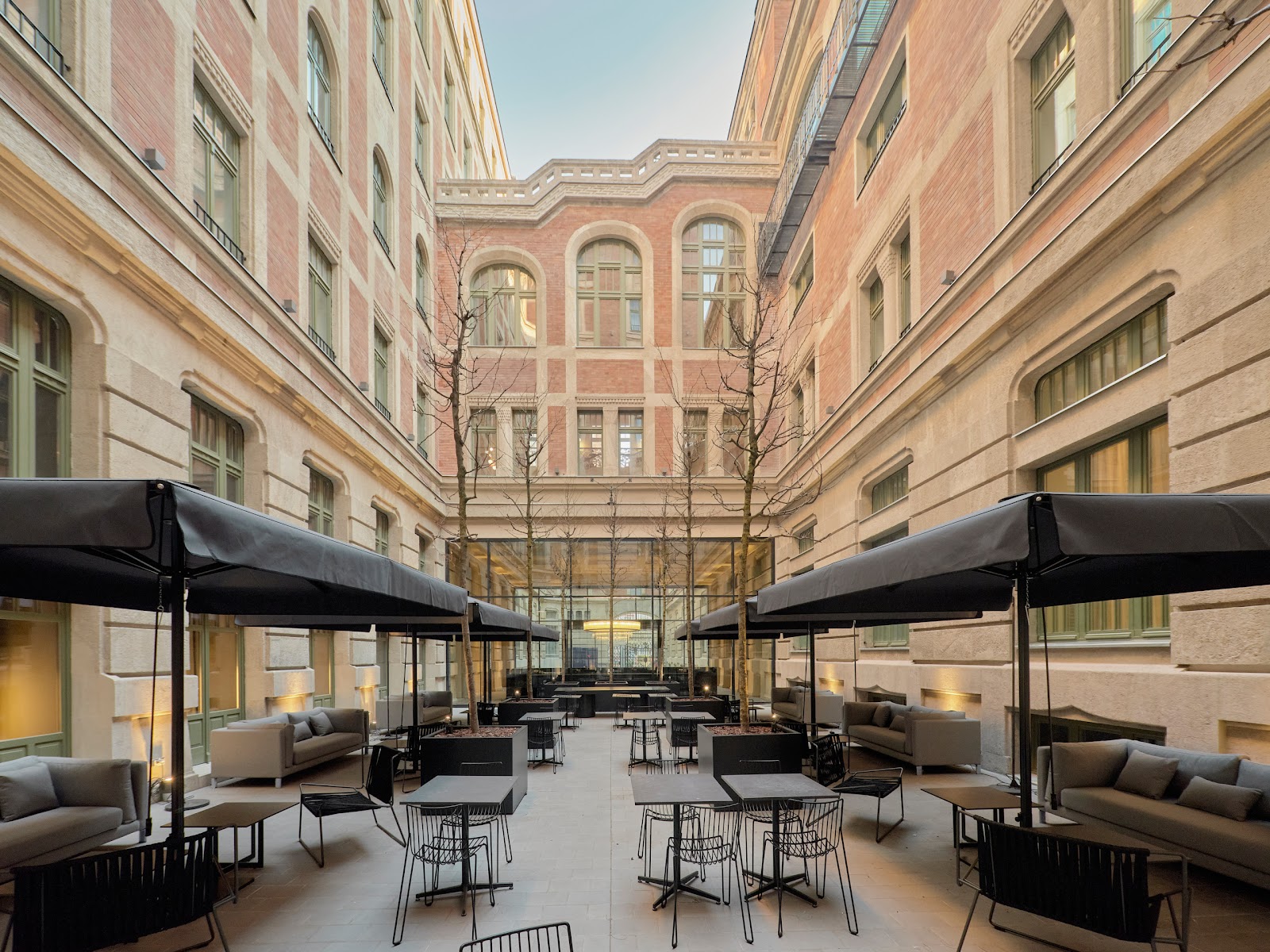
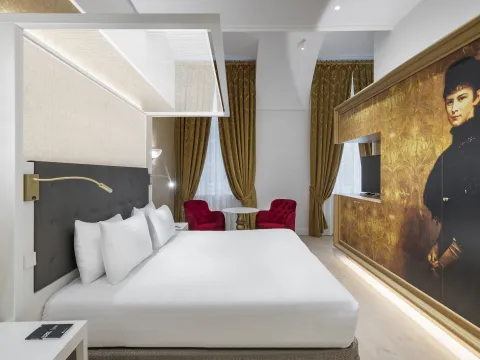
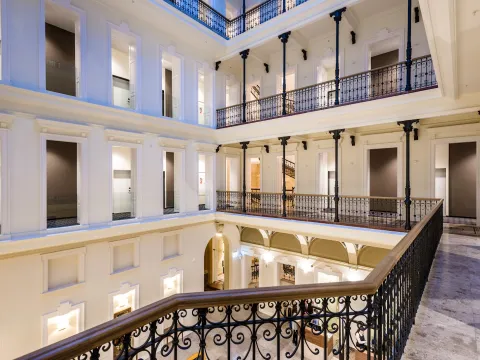
Behind some of the restored façades of József körút and the streets running towards the center, you now find a surprisingly refined hotel scene. Several properties in district VIII Józsefváros occupy historic buildings that have been reimagined with contemporary interiors, high ceilings, and generous bathrooms with deep soaking tubs. These are the Budapest hotel options that suit travellers who want a sense of place and architectural character rather than anonymous glass towers.
Alongside them, you will find a cluster of modern, efficiently run hotels near the main transport axes. These often appeal to guests arriving by train at Keleti or Nyugati stations, who value a straightforward check-in, clear room categories, and consistent standards. Rooms tend to be compact but well organised, with soundproofing that keeps the city at bay and practical touches that make a multi-night stay easy. For business travellers or short city breaks, this style of hotel district VIII can be particularly convenient.
There is also a growing presence of smaller, design-forward addresses that play with colour, art, and a more relaxed service style. While you will not see the term “boutique hotel” used here, the spirit is similar: fewer rooms, more personality, and public spaces that feel like living rooms rather than lobbies. These hotels Budapest options often attract younger couples, solo travellers, and digital nomads who prefer a residential street over a tourist artery. When you check availability, pay attention to how many rooms a property has – fewer rooms usually means a more intimate atmosphere but also less last-minute availability.
Among specific hotels in Józsefváros, Hotel Palazzo Zichy on Lőrinc pap tér offers elegant rooms in a former palace, with easy tram access and typical nightly rates from around €110–€160 depending on season. Close to Corvin sétány, Meininger Budapest Great Market Hall provides budget-friendly accommodation from roughly €25–€40 per person in shared rooms and about €70–€100 for privates, appealing to groups and younger travellers. For mid-range comfort, Corvin Hotel Budapest near Corvin-negyed combines practical rooms with quick links to the M3 and M4 metro lines, with prices often in the €80–€130 range. At the higher end, Hotel Nemzeti Budapest by Blaha Lujza tér sits just over the district boundary but serves many guests who explore Józsefváros, offering classic interiors and typical rates from €120–€180 per night.
Location, transport and access to the city centre
From a practical standpoint, Józsefváros is about connectivity. The M3 and M4 metro lines intersect nearby, and stops such as Rákóczi tér, Corvin-negyed, and Kálvin tér place you within a few minutes of the historical city centre. Staying near a metro station in district VIII can cut your daily travel time significantly, especially if you plan to criss-cross Budapest for museums, thermal baths, and restaurant reservations. It is worth checking the exact walking distance from your chosen hotel to the nearest stop before booking.
Tram lines 4 and 6 run along the Grand Boulevard, day and night, linking Józsefváros to Buda and to other hotels Budapest districts without the need for taxis. If you prefer to walk, expect around 15 minutes to reach the National Museum from many addresses in the northern part of the district, and about 25–30 minutes to the Danube embankment. For guests who enjoy exploring on foot but do not want to be in the most crowded streets, this balance often feels just right.
Compared with staying directly in the inner city centre, you trade immediate proximity to the river for easier access to everyday services. Supermarkets, pharmacies, small parks, and local cafés are all within a short walk of most hotels in Józsefváros Budapest. That makes the district particularly comfortable for longer stays, when you might appreciate a quiet bench in a square off Üllői út as much as a grand view. When you compare options across Budapest Hungary, consider how often you truly need to be within a five-minute walk of the main sights versus having a more liveable base.
What to check before booking in Józsefváros
Room size and layout vary widely in this part of the city, especially in converted historic buildings. Before you finalise a booking, look closely at floor plans or descriptions to understand whether you are getting a compact city room or a more generous suite-style space. For a stay of several nights, that difference can matter more than a marginally better price. Previous guests often comment on how rooms feel in practice – whether the storage works, whether the bathrooms are practical – so reading a range of reviews can help you interpret the numbers.
Noise is another point to check carefully. Properties directly on József körút or near major tram lines may experience more street sound, even with good windows, while hotels tucked into side streets off Baross utca or near smaller squares tend to be quieter. If you are sensitive to noise, prioritise rooms facing inner courtyards or higher floors. When you check availability, see if the hotel allows you to request a specific orientation or quieter category.
Many travellers now look for pet friendly options, and Józsefváros has a number of hotels that welcome animals, though policies differ. Some allow small pets free of charge, others apply a nightly supplement or restrict access to certain room types. It is worth verifying these details in advance rather than assuming a standard approach. Finally, consider the overall character of the immediate street – a hotel mellow in tone on a leafy side road will feel very different from a property above a busy late-night bar, even within the same hotels district.
Who district VIII suits best – and when to look elsewhere
Travellers who enjoy a slightly off-centre perspective on Budapest tend to feel at home in Józsefváros. If you like starting the day with a walk past local markets, hopping on a tram with commuters, and ending the evening in a neighbourhood wine bar rather than a tourist strip, this district is a strong choice. It works particularly well for guests staying three nights or more, who will benefit from the calmer rhythm and the sense of living in the city rather than just visiting it. For many, the combination of solid comfort, good availability, and a more authentic backdrop outweighs the lack of postcard views.
Families often appreciate the straightforward transport connections and the presence of parks and playgrounds within walking distance of many Budapest hotels here. Business travellers value the quick links to major offices and universities, as well as the more discreet feel of the area. Digital nomads and longer-stay guests may find that the mix of cafés, co-working spaces, and residential streets makes it easier to settle into a routine. In all these cases, district VIII offers a practical, grounded base.
If your priority is to step out of your lobby directly onto the Danube promenade, or if this is a once-in-a-lifetime trip where you want the most iconic views from your room, you may prefer the inner districts along the river. Those areas place you closer to the grand set pieces of Budapest, but often at the cost of higher density and less everyday life at your doorstep. Józsefváros, by contrast, is the choice for travellers who are comfortable trading spectacle for substance. When you compare Budapest hotels, that is the key decision to make.
FAQ
Is Józsefváros a good district to stay in for first-time visitors to Budapest?
Józsefváros is a good choice for first-time visitors who want a more local, residential feel while still being close to the main sights. The district offers quick metro and tram connections to the historical centre and the Danube, yet its streets are generally calmer than the busiest tourist areas. If you value authenticity and comfort over being directly on the riverfront, district VIII works very well as a base.
How far is district VIII from the city centre and main attractions?
From many hotels in Józsefváros, you can reach the National Museum in about 15 minutes on foot and the Danube embankment in roughly 25–30 minutes. Metro stations such as Rákóczi tér and Corvin-negyed connect you to the inner city in just a few stops. This means you are rarely more than 15–20 minutes by public transport from major attractions, while still enjoying a quieter neighbourhood atmosphere.
What type of hotels can I expect to find in Józsefváros?
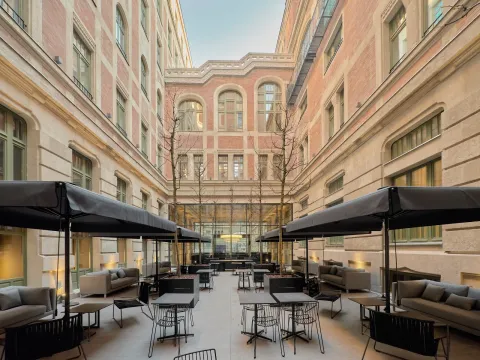
District VIII offers a broad mix of properties, from refined luxury hotels in restored historic buildings to modern, efficiently run mid-range options and smaller, design-led addresses. Many are housed in traditional Budapest apartment blocks with inner courtyards, which gives them a distinctive character. You will not find large resort-style complexes here, but rather city hotels tailored to urban stays of a few nights or longer.
Is Józsefváros suitable for families and longer stays?
Józsefváros suits families and longer stays thanks to its combination of good transport, local services, and a generally calmer pace. Parks, playgrounds, supermarkets, and everyday shops are usually within a short walk of most hotels, which makes daily logistics easier. The district’s residential feel also helps longer-stay guests settle into a routine, especially when they choose properties with larger rooms or suite-style layouts.
Should I worry about noise or safety when staying in district VIII?
As in any central urban district, noise levels and atmosphere vary street by street in Józsefváros. Hotels on major boulevards or near tram lines may experience more street sound, while those on side streets or facing inner courtyards tend to be quieter. Safety is comparable to other central areas of Budapest; standard city awareness is sufficient for most travellers. When choosing a hotel, it is wise to check how previous guests describe the immediate surroundings and night-time noise.