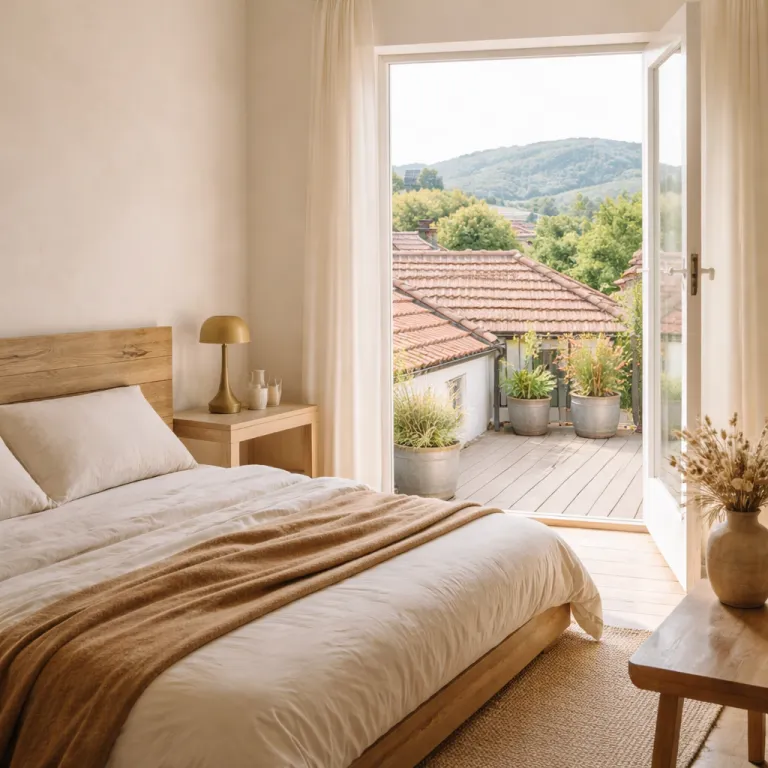
Why sustainable hotels in Hungary are redefining luxury as restraint
Luxury travelers arriving in Hungary often expect sustainability to mean futuristic tech and glossy dashboards. In reality, the most convincing sustainable hotels in Hungary practice something quieter; they treat restraint, time and local knowledge as their primary resources. This is where a hotel in Budapest or beyond becomes interesting for couples who care about both romance and responsibility.
Across the country, the conversation about sustainability in hotels is shifting from gadgets to structure. Properties are rethinking how rooms are oriented to the sun, how common areas are ventilated, and how energy consumption can be reduced before anyone installs a single smart sensor. That is why the most thoughtful hotels in Hungary talk less about innovation and more about how the building, the city and the surrounding local communities already work together.
Critics sometimes argue that this focus on slowness romanticises the past and ignores modern efficiency. They are right to be suspicious when a green hotel markets itself as eco friendly while still flying in strawberries and burning through water in oversized pools. Yet when you read the operational details of the best sustainable hotels, you see that patience — long conversions, careful sourcing, incremental upgrades — is exactly how sustainability becomes real rather than decorative.
Budapest is a useful testing ground because the city mixes Habsburg stone, socialist concrete and sharp contemporary design on the same boulevard. In the dense Budapest city centre, any hotel Budapest property that claims to be sustainable must prove it through measurable reductions in waste, energy and water, not just friendly signage. Couples choosing between several Budapest hotels should ask how the guest experience changes because of sustainability, not whether there is a single green wall in the lobby.
One clear sign of seriousness is third party certification, which forces hotels to track energy consumption, cleaning products and building performance over time. When a Budapest hotel submits to frameworks such as BREEAM, EarthCheck or LEED, it accepts that sustainability is an ongoing audit rather than a one off marketing campaign. This is where the phrase “sustainable hotels Hungary” starts to feel less like a slogan and more like a long term contract with guests and the environment, backed by external benchmarks and published criteria.
Hungary’s most interesting properties show that sustainability and luxury can coexist without compromise. They invest in high quality rooms, refined design and attentive service while also cutting waste streams, switching to eco cleaning products and installing LED lighting throughout common areas. For couples, the result is a stay that feels both indulgent and light, where the guest experience is elevated precisely because the hotel has chosen to do less, but do it exceptionally well.
Budapest’s new green axis: from stadium edge to city centre salons
On the eastern edge of Budapest city, the ibis & TRIBE Budapest Stadium Hotel has quietly become one of the country’s most scrutinised green hotels. The property achieved BREEAM In Use “Outstanding” for its building management, a rating confirmed in documentation shared by developer WING and in the BREEAM In Use project listing for the asset. For couples, this means the eco story is not a side note; it is embedded in everything from the building envelope to the way common areas are lit and ventilated, with the BREEAM summary indicating double digit reductions in operational energy use compared with a conventional Budapest hotel of similar size.
The dual brand concept — an ibis wing and the more design driven TRIBE Budapest wing — allows different types of guests to share the same sustainable backbone. Energy efficient systems, careful water management and LED lighting are standard across both, while the TRIBE Budapest side layers in contemporary design and a more curated guest experience. You feel the sustainability in the quiet of the rooms, the quality of air and the way the hotel conference and conference center spaces manage large events without wasting energy, supported by automated controls and occupancy based lighting that, according to the BREEAM assessment notes, cut lighting related electricity demand by roughly a third versus baseline assumptions.
Location matters here too, because the Budapest Stadium district is becoming a test bed for new urban planning. A green hotel in this part of the city has to think about transport links, match day crowds and how local communities use the streets between fixtures. Couples staying for a long weekend can move easily between the stadium, the river and the historic city centre, reducing the need for taxis and making their stay more eco friendly by design through public transport, cycling routes and walkable boulevards.
In the heart of the city, the Kempinski Hotel Corvinus Budapest offers a different model of sustainable luxury. The hotel Budapest flagship has earned EarthCheck Silver, signalling a structured approach to energy, waste and water that sits behind its polished service. EarthCheck benchmarking summaries for the property indicate notable cuts in electricity and water use per guest night compared with regional averages, and here, sustainability supports the urban resort feeling; you move from spa to lobby bar knowing that the back of house systems are working to reduce the footprint of every glass poured, with performance data reviewed annually under the EarthCheck benchmarking program.
For couples planning a refined city break, it is worth comparing these certified properties with more conventional Budapest hotels. Our detailed guide to elegant places to stay in Budapest for a refined city break highlights where sustainability genuinely enhances comfort rather than restricting it. Look for hotels that talk clearly about energy consumption, eco friendly cleaning products and support for local communities, not just generic green slogans, and that can point to certification reports or annual sustainability summaries.
When you read sustainability statements, pay attention to how specific they are about rooms, common areas and operational choices. A truly sustainable hotel in Budapest will explain how it manages waste separation on each floor, how often linens are changed, and whether dog friendly policies are aligned with low impact cleaning routines. Couples who ask these questions at check in quickly see which hotels in Hungary treat sustainability as a lived practice and which treat it as a decorative label.
Lake Balaton, Hortobágy and Tokaj: rural retreats where patience is the point
Outside Budapest, the story of sustainable hotels in Hungary takes on a slower, more agricultural rhythm. Around Lake Balaton, the Tihany peninsula operates under some of the country’s strictest building protection rules, which has forced hotels to think in decades rather than seasons. Here, sustainability often means renovating existing structures, orienting rooms to capture breezes and using thick walls instead of mechanical cooling to keep guests comfortable.
For couples, a stay on Tihany can feel like stepping into a carefully edited version of Hungarian lake life. Green hotels in this area tend to work closely with local communities, sourcing food within a short radius and designing menus around what the peninsula can support without strain. The result is a guest experience where every plate, every glass of water and every walk down to the shore feels connected to a longer story of restraint and to local producers who benefit directly from each stay.
Further east, Hortobágy National Park shows what sustainability looks like when there is almost no infrastructure to waste in the first place. Many guesthouses here operate without conventional cooling, relying on thick adobe walls, shaded common areas and cross ventilation to manage heat. Couples who stay in these properties quickly understand that eco friendly design is not an aesthetic choice; it is a response to a landscape where energy is precious and water must be treated with respect, often supported by rainwater collection and low flow fixtures.
Tokaj, Hungary’s historic wine region, offers perhaps the most compelling argument for patience as luxury. Vineyards here are reframing organic practice through centuries old methods rather than chasing quick certification, and some hotels mirror that approach in their building and service. When you stay in a Tokaj hotel that has taken fifteen years to convert a cellar into guest rooms, you feel that time in the quiet, in the way the stone holds night air, in the way waste is handled almost invisibly through composting and careful separation.
One property that illustrates this mindset is the Mercure Tokaj Center, which we review in depth in our Tokaj hotel experience guide. The hotel balances contemporary design with a strong connection to local wine culture, encouraging guests to explore vineyards on foot or by bicycle rather than by car. Sustainability here is not a separate program; it is woven into how you move through the city, how you taste, and how you sleep, with staff trained to recommend low impact itineraries.
Across these regions, couples will notice that the most convincing sustainable hotels rarely shout about technology. They talk instead about how they manage energy consumption quietly, how they minimise waste, and how they use eco cleaning products that respect both staff and soil. This is sustainable luxury as Hungary does it best — slow, precise and deeply rooted in place.
How to read sustainability claims in Hungarian luxury hotels
Marketing language around sustainability in hotels has become dense, and Hungary is no exception. Some Budapest hotel brands now use terms like green hotel or eco friendly stay as interchangeable lifestyle tags, without changing how they use water, energy or cleaning products. Couples who care about impact need a sharper lens to read between the lines.
Start with what is measured, not what is promised. When a hotel conference brochure mentions reduced energy consumption, ask how they track it across rooms, common areas and the conference center itself. If the team can explain their systems clearly, from LED lighting schedules to waste separation, you are likely dealing with a property where sustainability is integrated into daily operations and supported by regular internal audits.
Certification can help you filter quickly. BREEAM, EarthCheck and LEED are not marketing badges; they are frameworks that require hotels to document performance over time and publish criteria that can be checked against independent sources. As one expert summary puts it, “What is BREEAM certification? A sustainability assessment method for buildings.”
At check in, a few precise questions will reveal how deep the commitment runs. Ask how often linens are changed by default, what kind of eco friendly cleaning products are used, and whether the hotel supports local communities through long term partnerships rather than one off donations. If you are travelling with a pet, check how dog friendly policies intersect with sustainability — for example, whether extra cleaning is managed with low impact detergents and efficient water use.
It is also worth asking how sustainability shapes the guest experience in positive ways. In some hotels in Hungary, reduced energy use means quieter mechanical systems, better natural light and more thoughtful room design. In others, a focus on local sourcing translates into shorter menus that change with the seasons, giving couples a more authentic taste of the city or countryside while reducing food miles and waste.
For a deeper understanding of how districts, architecture and transport patterns affect sustainable stays in Budapest city, explore our refined guide to Budapest districts for luxury hotel stays. Used alongside on the ground questions, it will help you choose a hotel Budapest address where sustainability, romance and urban convenience align. In the end, the most rewarding sustainable hotels Hungary are those where you feel both well cared for and gently challenged to travel with more intention.
Key figures shaping sustainable hotels in Hungary
- The ibis & TRIBE Budapest Stadium Hotel has achieved BREEAM In Use “Outstanding” for its asset performance, placing Budapest on the global map for rigorous green hotel standards according to data shared by WING and the BREEAM In Use online project listing for the building.
- Melea Hotel Sárvár opened as Hungary’s first LEED BD+C: Hospitality Gold certified property, signalling that international green building criteria are now being applied to high end regional spa hotels, as reported in project announcements summarised by Colliers and in the LEED project ID documentation for the scheme.
- Kempinski Hotel Corvinus Budapest has reached EarthCheck Silver status, showing that a large luxury Budapest hotel can systematically manage energy, water and waste while maintaining a premium guest experience under the EarthCheck benchmarking program, with the hotel’s public sustainability fact sheet highlighting measurable reductions in resource use per guest night.
- Irota EcoLodge operates as Hungary’s first climate neutral accommodation, demonstrating that small scale rural properties can lead on carbon accountability while offering an intimate eco friendly stay in the countryside, with emissions calculated and offset annually in line with the methodology described on the lodge’s own climate neutral declaration.
- The Hungarian Hotels Association now evaluates sustainability as one of five core award criteria, which is pushing more hotels Hungary wide to track energy consumption, adopt LED lighting and switch to greener cleaning products in line with its published guidelines and award documentation.
- GSTC, the Global Sustainable Tourism Council, is actively positioning Hungary as a Central European sustainability hub, encouraging more hotels and local communities to align with international eco tourism standards through destination level pilot programs referenced in GSTC’s Hungary initiative summaries.
References
- Global Sustainable Tourism Council (GSTC) – Hungary destination initiatives and pilot programs.
- Hungarian Hotels Association – sustainability award criteria and guidelines for member properties.
- EarthCheck, BREEAM and LEED – international hotel sustainability certification frameworks and publicly available project listings.