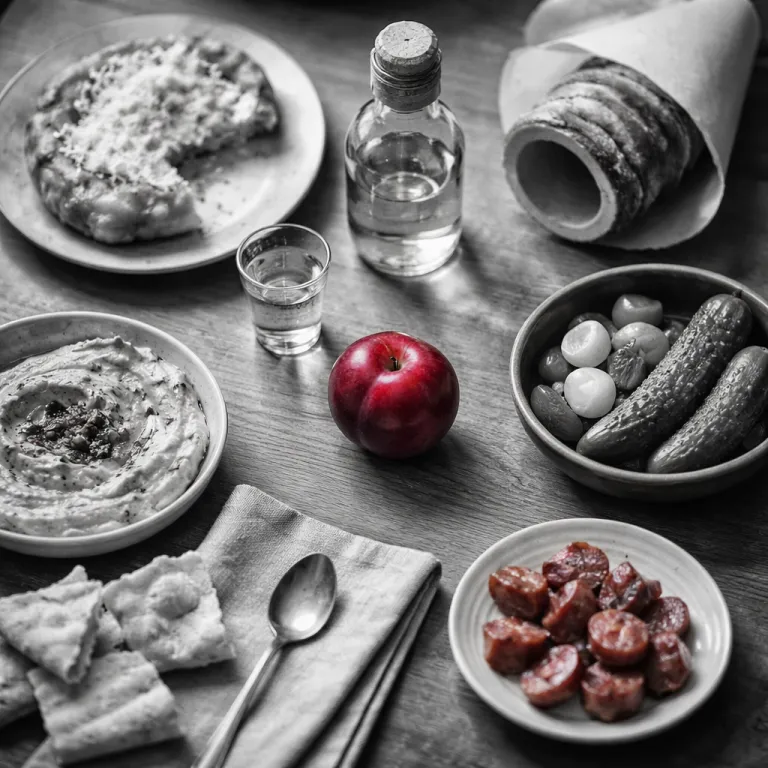
Morning in the Jewish Quarter: coffee, bakeries and quiet streets
Start early in Budapest, when the Jewish Quarter still feels hushed. The city wakes slowly here, and you can walk past the Dohány Street Synagogue before the main opening hours bring tour groups to this landmark. This is the best time to feel how the district is located in the heart of quarter Budapest yet still offers calm corners for solo travelers.
Plan your route around third wave coffee and a serious bakery, because good food sets the rhythm for things Budapest does best. Many travelers head straight to ruin bars, but a more rewarding morning traces the smaller utca Budapest side streets where cafe counters face the street and locals read the news. Around each corner, you sense how hungarian Jewish and wider Jewish Hungarian communities shaped this district’s daily life.
Begin with a flat white at Espresso Embassy in the city center, then walk ten minutes into the Jewish Quarter for a second espresso at a quieter cafe. Cserpes Tejivó, while not strictly in District VII, is close enough to fold into your route and serves some of the best túrós pastries and light breakfast dishes. Expect pay levels around 1 500 to 2 500 HUF for coffee and pastry, which is modest by luxury travel standards yet delivers Budapest best value for quality.
As you move deeper into the district, note each street name and utca sign, because they help you orient between the synagogue cluster and the livelier bar zone. Kazinczy utca, Dob utca and Wesselényi utca form a loose triangle where many budapest Jewish quarter restaurants concentrate. Several cafe terraces here open by mid morning, so check the posted opening hours if you want a second breakfast or an early sweet snack.
Counter lunches and classic Jewish Hungarian plates
By midday, the Jewish Quarter shifts from quiet streets to a dense restaurant grid. Roughly eleven streets in this district concentrate many of the budapest Jewish quarter restaurants that matter for serious eaters. For a solo traveler, counter seating is ideal, because you can watch the kitchen, talk to staff and understand how hungarian food culture works plate by plate.
Look for places where Jewish cuisine and Hungarian dishes overlap, rather than only chasing the most photographed restaurant interiors. Kőleves, for example, blends traditional Hungarian Jewish recipes with lighter modern plates, and its address on Kazinczy utca keeps you close to other highlights. Gettó Gulyás, just outside the strict Jewish Quarter, serves some of the best goulash and pörkölt in the city, and it shows how Jewish Hungarian influences sit naturally inside broader Budapest cooking.
When you want a more elevated lunch, Stand25 Bisztró offers refined hungarian food within a fifteen minute walk of the main synagogue area. Solo diners are comfortable at the counter, where staff explain dishes and suggest wines without any performance. If you are researching where to enjoy refined Hungarian restaurant experiences in Budapest, this kind of focused bistro gives you a benchmark for Budapest best kitchens.
Kosher needs are well served in this quarter Budapest area, where several kosher restaurant options sit close to the synagogues. Carmel Restaurant and Hanna Orthodox Kosher Restaurant both serve traditional Jewish cuisine, including matzo ball soup and flódni, and they illustrate how Jewish and Hungarian flavors intertwine. “Matzo ball soup, goulash, and flódni are popular choices.”
Afternoon walks, pálinka etiquette and avoiding the ruin bar trap
Afternoons in the Jewish Quarter are for walking, tasting and pacing yourself. The city light softens along each narrow street, and you can feel how the district’s energy builds toward evening without yet committing to a loud ruin bar. This is the moment to explore both budapest Jewish quarter restaurants and quieter bars that respect conversation.
Many visitors rush straight to Szimpla Kert, the most famous ruin bar, but a slower approach serves solo travelers better. Use Szimpla Kert as a reference point, then step one or two streets away to find a smaller bar where the opening hours and music levels suit you. These places often list pálinka by fruit and region, and staff are happy to explain which cseresznyepálinka or plum distillate pairs with salty snacks or light dishes.
When you order pálinka, know the basic protocol so you feel at ease at any bar counter. Ask which fruits are local, whether the spirit is house selected and what a dupla measure means in that specific restaurant or cafe. Expect pay levels around 1 200 to 2 000 HUF for a standard pour, with a dupla costing more but still reasonable for a luxury traveler used to Western European city prices.
Use the afternoon to map addresses of budapest Jewish quarter restaurants you might return to for dinner. Check each posted opening and closing time, because hours Mon to Thu can differ from weekend patterns, and some kitchens pause between lunch and dinner. Photograph the address plates on each utca, so later you can navigate back through the district without relying on a map when the streets are busier.
Dinner alone: from Mazel Tov to chef’s counters
Evening is when the Jewish Quarter’s reputation as the city’s dining engine becomes obvious. Lights come on along every street, and budapest Jewish quarter restaurants fill with a mix of locals, travelers and pre ruin bar crowds. As a solo explorer, you want places where a table for one feels natural, not staged.
Mazel Tov remains one of the best known addresses in this district, serving Israeli Mediterranean plates in a courtyard setting that feels both theatrical and relaxed. Book ahead, especially for peak hours Mon to Sat, and ask for a seat where you can see the open kitchen. The menu leans toward Middle Eastern Jewish cuisine, but the atmosphere is pure Budapest, with a hum that reflects the city’s current confidence.
For something more intimate, look toward chef’s counters and smaller dining rooms within a fifteen minute walk of the main synagogue. Bors Gasztrobár (often called Borssz Bisztró in older guides) offers creative soups and sandwiches that work as a casual dinner, while Stand25 Bisztró delivers a more structured hungarian Jewish tasting experience. In both places, counter seating lets you watch dishes being plated and talk directly with the team about ingredients from across Hungary.
Do not overlook quieter spots like Macesz Bistro, which focuses on Jewish Hungarian classics in a refined yet relaxed room. Here, expect pay levels that sit slightly above the district average, but the quality of dishes and the thoughtful wine list justify the bill. Check opening hours in advance, because some of these budapest Jewish quarter restaurants close earlier on certain days, and you want to time your dinner before the nearby ruin bars reach full volume.
Late drinks, cookbook shops and hotel choices for food focused stays
After dinner, the Jewish Quarter offers more than just another ruin bar crawl. If you prefer conversation to crowds, choose a smaller bar on a side street where the music is low and the spirits list is serious. These venues often sit just a few minutes from major budapest Jewish quarter restaurants yet feel like a different city.
Look for wine bars that highlight Hungary’s regions, from Tokaj to Somló, and ask for recommendations that match the Jewish cuisine you have eaten that evening. Some places pour half glasses, which is ideal when you are alone and want to taste widely without over committing. Again, expect pay levels that remain gentle compared with other European capitals, even in the best located heart of the district.
Before you leave the area, step into a neighborhood cookbook bookstore that doubles as a food culture archive. Here you can browse volumes on hungarian food, Jewish Hungarian history and the evolution of budapest Jewish kitchens, often with English language sections. These spaces are quiet, reflective and a strong counterpoint to the noise of nearby ruin bars and late night cafes.
For luxury travelers, hotel choice shapes how you use the district’s restaurants. Staying within walking distance of the Jewish Quarter lets you move easily between spa time and dinner, especially if you pair this neighborhood with a night or two at one of the luxury spa hotels in Hungary highlighted in specialist guides. From there, you can treat budapest Jewish quarter restaurants as your extended room service, stepping out for a final glass of wine at a calm bar before returning to your suite.
FAQ
What are some must try dishes in Budapest’s Jewish Quarter ?
In the Jewish Quarter, seek out matzo ball soup, flódni cake and cholent alongside classic hungarian food such as goulash. These dishes show how Jewish cuisine and Hungarian traditions merge in everyday cooking. Many budapest Jewish quarter restaurants list them as house specialties, especially those with a kosher restaurant certification.
Are reservations necessary for popular restaurants like Mazel Tov ?
Reservations are strongly recommended for Mazel Tov and other high demand budapest Jewish quarter restaurants, especially during peak hours Mon to Sat. The restaurant’s courtyard setting and location in the heart of the district make it one of the city’s busiest addresses. Booking ahead ensures you can choose a preferred time and avoid long waits at the door.
Is kosher food easy to find in the Jewish Quarter ?
Yes, kosher food is readily available in the Jewish Quarter, which hosts several dedicated kosher restaurant options. Places such as Carmel Restaurant, Hanna Orthodox Kosher Restaurant and Falafel Bar sit within walking distance of the main synagogue complex. Always check current opening hours and certifications, as these can change over time.
How much should I expect to pay for a meal here ?
In budapest Jewish quarter restaurants, expect pay levels around 4 000 HUF for a main course in a mid range restaurant, with higher prices in more upscale dining rooms. This aligns with data that place the average price range for meals near 4 000 HUF in this part of Hungary. Coffee, pastries and light dishes in a cafe or bar usually cost less, making solo grazing across the district affordable.
What is the best way to plan a food focused stay near the Jewish Quarter ?
Choose a hotel within walking distance of District VII so you can reach key streets like Kazinczy utca and Dohány utca easily. From there, build your days around budapest Jewish quarter restaurants, morning cafes and evening bars, using online reservations where possible. Pair your stay with time in central spa properties elsewhere in Budapest to balance culinary exploration with wellness.