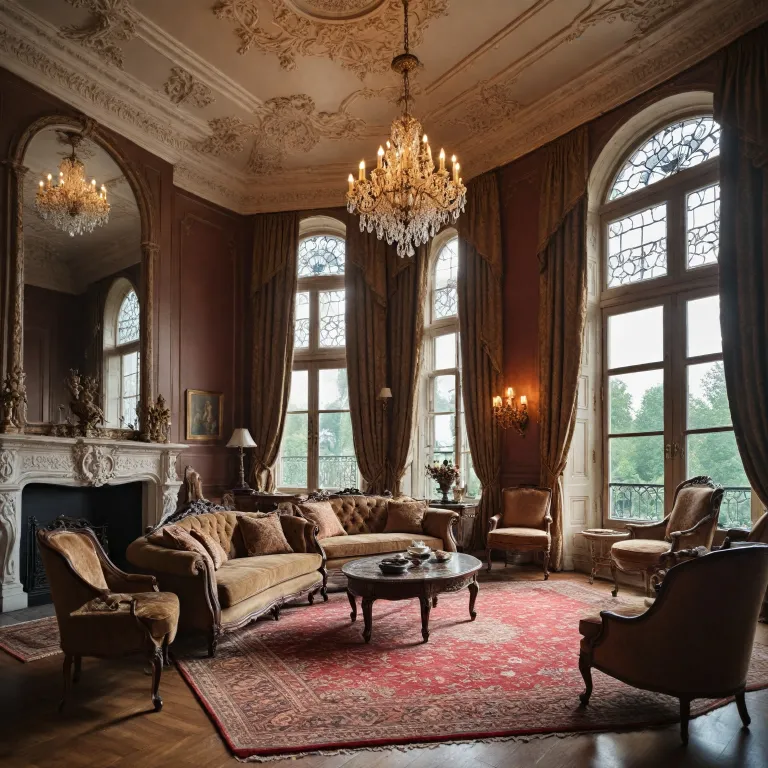
Hungarian castle stays as a gateway to refined travel
Choosing a Hungarian castle stay transforms a simple hotel search into a cultural journey. For travellers comparing luxury and premium hotel booking websites in Hungary, these historic properties offer rare depth alongside five star comfort. Each castle or palace stay lets you engage with centuries of history while enjoying contemporary service standards.
Across Hungary, more than one medieval castle has been carefully restored and adapted for high end hospitality. Many of these properties stand in the former castle district of major towns, where defensive walls once protected the kingdom Hungary from invasion. Today, guests can sleep in rooms built for a king yet book them online with the same ease as any modern suite.
Budapest remains the natural starting point for exploring any Hungarian castle experience. On the Buda side of the Danube, the vast royal palace complex known as Buda Castle dominates the skyline and anchors the wider castle district. Within this area, travellers encounter layers of history, from medieval foundations to baroque palace facades and twentieth century reconstructions.
Luxury hotel booking platforms now highlight properties near Buda Castle and other castles Hungary as signature experiences. These sites help guests compare suites overlooking castle hill, the Danube, or the towers of nearby churches. When you read property descriptions carefully, you can distinguish between hotels merely using castle imagery and those genuinely integrated into historic royal settings.
For premium travellers, the appeal lies in combining a Hungarian national heritage site with tailored service. A stay beside castle Budapest landmarks often includes private guided access, curated dining, and transfers that respect your time. Understanding how to evaluate these offers online is the first step toward a truly royal stay in Hungary.
How luxury booking websites curate Hungarian castle experiences
Luxury and premium hotel booking websites in Hungary increasingly treat each Hungarian castle as a standalone destination. Instead of listing properties only by star rating or district, the best platforms group stays around castle hill, the castle district, or specific medieval castle sites. This approach helps travellers compare experiences that share a strong sense of place and history.
On specialised platforms, you will often find curated collections focused on castles Hungary and historic palace conversions. These collections highlight whether a property occupies an original baroque palace, a reconstructed royal palace wing, or a new building inspired by medieval architecture. For example, some listings near Vajdahunyad Castle in Budapest emphasise views of its eclectic towers and lakeside setting.
When evaluating a Hungarian castle stay online, pay attention to how clearly the website explains the property’s history. Serious platforms reference the century when the castle was first built, any later baroque or neo baroque renovations, and links to figures such as King Matthias or Matthias Corvinus. They also clarify whether the building functioned as a royal residence, a noble palace, or a defensive fortress.
Premium travellers should also assess how booking sites integrate local context around each castle. Listings near Buda Castle or castle Budapest landmarks might mention the Hungarian National Gallery, Matthias Church, or the wider Buda hills. For deeper research into digital platforms, you can consult a dedicated guide to the best luxury hotel websites in Hungary for premium stays.
Finally, look for transparency about access to heritage spaces within each Hungarian castle property. Some hotels allow guests into restored baroque palace salons, medieval towers, or former royal apartments, while others limit access to public museum areas. Clear descriptions signal a booking website that respects both traveller expectations and the integrity of Hungary’s castle heritage.
From medieval fortress to five star suite in Hungary
Many travellers are fascinated by how a medieval castle becomes a refined hotel without losing authenticity. In Hungary, this transformation often begins with careful research into the original structure, whether it was a hilltop fortress like Sümeg Castle or a riverside stronghold such as Kinizsi Castle. Architects and conservators then decide which walls, towers, and courtyards can safely host guests while preserving the building’s character.
The process differs between a rugged medieval castle and a later baroque palace designed for comfort. In some castles Hungary, guest rooms occupy former barracks or administrative wings, leaving the main keep and tower for guided tours. In others, especially baroque palace complexes, suites may fill former royal apartments that already featured generous windows and higher ceilings.
One of the most striking examples of architectural layering is Vajdahunyad Castle in Budapest. Experts note that “Integration of multiple architectural styles in single structures, as seen in Vajdahunyad Castle.” This landmark blends Romanesque, Gothic, Renaissance, and baroque elements, illustrating how Hungarian national identity has absorbed influences across centuries.
Luxury hotel operators working with a Hungarian castle must also address modern expectations discreetly. Heating, cooling, and digital connectivity are integrated behind stone walls or within restored wooden ceilings, especially in properties near castle hill or within the castle district. For travellers planning a high end stay, a detailed guide to luxury hotel booking online in Hungary explains how these adaptations affect comfort.
Ultimately, the goal is to let guests feel the weight of history without sacrificing rest. When you book a room in a Hungarian castle, you should sense the presence of former kings, nobles, and church dignitaries, yet still enjoy a spa level bathroom and soundproofing. The best conversions achieve this balance so seamlessly that the centuries seem to coexist in a single night’s stay.
Key Hungarian castle destinations beyond Budapest
While Buda Castle and castle Budapest landmarks dominate many itineraries, luxury travellers increasingly look beyond the capital. Across Hungary, more than one Hungarian castle has been restored in smaller towns and rural landscapes, offering quieter stays with strong local character. These properties often sit within historic counties, where medieval and baroque layers remain visible in both architecture and daily life.
In Veszprém County, for example, the hilltop castle Veszprém complex overlooks a charming old town and church spires. Here, travellers can combine a stay near the castle district with excursions into the Bakony hills and Lake Balaton region. Some premium properties in this county reference the area’s role in the kingdom Hungary, when queens were crowned in local churches.
Further west, Sümeg Castle rises above the town of Sümeg as a textbook medieval fortress. Historical records link its construction to Béla IV of Hungary, a king who commissioned several castles after earlier invasions. Today, visitors can tour the ramparts by day, then retreat to nearby luxury hotels that echo the castle’s stone textures in softer, contemporary materials.
Other regional highlights include Boldogkő Castle, perched dramatically above vineyards, and Kinizsi Castle with its robust tower and courtyard. These sites show how castles Hungary once formed a defensive chain across multiple county borders, protecting trade routes and church estates. For travellers seeking a structured overview of five star options, a detailed article on how to book a five star hotel in Hungary can help align regional castle stays with broader itineraries.
By combining Budapest with Veszprém County, Sümeg, and other castle hill towns, guests experience the full spectrum of Hungarian history. Each Hungarian castle stay adds a different chapter, from royal palace grandeur to rugged medieval walls. Together, they create a narrative that extends far beyond a single night’s reservation.
Design, heritage, and service inside castle hotels
Stepping inside a Hungarian castle hotel, guests immediately sense the dialogue between past and present. Interior designers work closely with heritage experts to respect original stonework, frescoes, and timber while introducing contemporary comfort. The result is a layered aesthetic where medieval arches frame modern art and baroque palace ceilings hover above minimalist furnishings.
In properties near Buda Castle or within the castle district, public spaces often reference the royal palace and Hungarian National Gallery collections. You might read about artworks inspired by King Matthias or Matthias Corvinus, whose patronage shaped late medieval culture in the kingdom Hungary. Subtle motifs drawn from Matthias Church or nearby church façades appear in textiles, lighting, and custom furniture.
Service standards in these castle Budapest and regional properties match international luxury benchmarks. Staff are trained to explain the history of each Hungarian castle, from the century it was built to later baroque or neo baroque modifications. Many teams collaborate with local guides who specialise in castles Hungary, medieval castle warfare, or church art, ensuring accurate storytelling.
Wellness and gastronomy also reflect the surrounding county and its traditions. Menus might reinterpret dishes once served in a royal palace, using ingredients from nearby farms and vineyards. Spa treatments sometimes take place in former vaulted cellars or tower rooms, where thick walls create natural quiet and a sense of retreat.
For travellers, the key is to choose a Hungarian castle stay where design, heritage, and service feel coherent. When the story of the building, the landscape, and the kingdom Hungary is woven into every detail, your experience becomes more than a night in a historic room. It becomes an elegant immersion in the living culture of Hungary.
Practical tips for booking your Hungarian castle stay
Securing the right Hungarian castle stay begins with clarifying your priorities. Decide whether you prefer a location in Budapest near Buda Castle and castle hill, or a quieter setting in Veszprém County, Sümeg, or another rural district. Then consider whether you value proximity to museums like the Hungarian National Gallery, or to hiking trails, vineyards, and smaller churches.
On luxury booking websites, filter results by property type and heritage focus, paying attention to castles Hungary and palace conversions. Read room descriptions carefully to see whether you will sleep in a former royal palace wing, a baroque palace suite, or a newly built annex. Check whether views include a medieval castle tower, a church square, or the wider castle district skyline.
Availability can be tight during festivals and cultural events hosted at sites such as Vajdahunyad Castle, castle Veszprém, or Sümeg Castle. Booking early ensures access to the most atmospheric rooms, especially those within original castle walls. Many properties also offer packages that combine guided tours of a Hungarian castle with wine tastings, spa treatments, or private access to church concerts.
Travellers interested in deeper historical context should look for hotels that collaborate with Hungarian national heritage organisations. These partnerships often support restoration projects at Boldogkő Castle, Kinizsi Castle, and other medieval sites across the kingdom Hungary. By choosing such properties, your stay contributes directly to the preservation of castle Budapest landmarks and regional fortresses.
Finally, always verify practical details such as parking on castle hill, lift access in older towers, and distances to nearby towns. A well planned Hungarian castle stay balances romance with logistics, ensuring that every royal moment remains effortless. With thoughtful research, your chosen castle or palace in Hungary will feel both timeless and perfectly tailored to your journey.
Key figures and essential questions about Hungarian castles
Understanding the scale of Hungary’s castle heritage helps travellers appreciate their options. According to the Hungarian National Trust, there are 1,032 castles across the country, ranging from ruined medieval fortresses to fully restored palace complexes. This density means that almost every county, from Veszprém County to more remote regions, offers at least one significant Hungarian castle to explore.
Buda Castle stands out as the largest castle complex in Hungary, covering an area of 4.73 km². This vast royal palace and castle district on castle hill in Budapest includes museums, churches, and residential streets. When you book a hotel near castle Budapest landmarks, you are effectively staying within a living urban fortress that has evolved over many a century.
Travellers often ask whether Hungarian castles are open to the public while functioning as luxury hotels. Many Hungarian castles are open to the public and offer guided tours; it's advisable to check their official websites for visiting hours and ticket information. In practice, this means that even if you stay in a private wing of a Hungarian castle, you may share courtyards or towers with day visitors.
Another frequent question concerns the architectural styles represented in castles Hungary. Hungarian castles showcase a variety of architectural styles, including Romanesque, Gothic, Renaissance, Baroque, and Eclectic. This diversity is visible from Vajdahunyad Castle in Budapest to Sümeg Castle, Boldogkő Castle, Kinizsi Castle, and castle Veszprém, where each tower and church façade tells a different story.
Finally, travellers wonder which Hungarian castle offers the most complete royal experience. While answers vary, properties near Buda Castle, the royal palace, and Matthias Church provide unmatched access to the heart of the kingdom Hungary. Combined with regional stays in Veszprém County or near Sümeg Castle, they form an itinerary that captures the full breadth of Hungary’s castle heritage.
Key statistics about Hungarian castles
- Number of castles in Hungary : 1,032 castles across the country.
- Largest castle complex : Buda Castle, covering approximately 4.73 km².
Frequently asked questions about Hungarian castles
What is the largest castle in Hungary ?
Buda Castle is the largest castle complex in Hungary, covering an area of 4.73 km². This extensive royal palace and castle district dominates the Buda side of Budapest. Staying nearby places you within walking distance of major museums, churches, and historic streets.
Are Hungarian castles open to the public ?
Many Hungarian castles are open to the public and offer guided tours; it's advisable to check their official websites for visiting hours and ticket information. Some sites operate partly as museums and partly as hotels or event venues. Always confirm which areas are accessible to guests and which remain reserved for private functions.
What architectural styles are represented in Hungarian castles ?
Hungarian castles showcase a variety of architectural styles, including Romanesque, Gothic, Renaissance, Baroque, and Eclectic. This mix reflects the long history of the kingdom Hungary and its shifting political alliances. Travellers can see these styles side by side at Vajdahunyad Castle, Buda Castle, and numerous regional fortresses.
Sources
- Hungarian National Trust
- Buda Castle official website
- Hungarian Tourism Agency