Hungarian folk culture travel for families: why it belongs on your itinerary
Hungary rewards families who travel slowly, letting children handle clay, thread and paint rather than just ticking off historical sites. A well planned Hungarian folk culture travel family itinerary can weave together hands on workshops, characterful hotels and time in thermal baths so participants feel the country through all five senses. When you shape a trip through Hungary around folk traditions, every stop becomes a chapter in a living story of folk art, folk music and national heritage.
Parents often ask whether Hungary is safe or if they should worry about general safety for children, yet most family travelers find a welcoming community and calm provincial towns. In villages and in Budapest alike, Hungarian culture is shared generously through language, food and music, which makes it easier for younger travelers to connect with the country. By choosing hotels that curate cultural programs on site, a trip to Hungary becomes less about logistics and more about meaningful encounters with folk traditions and everyday customs.
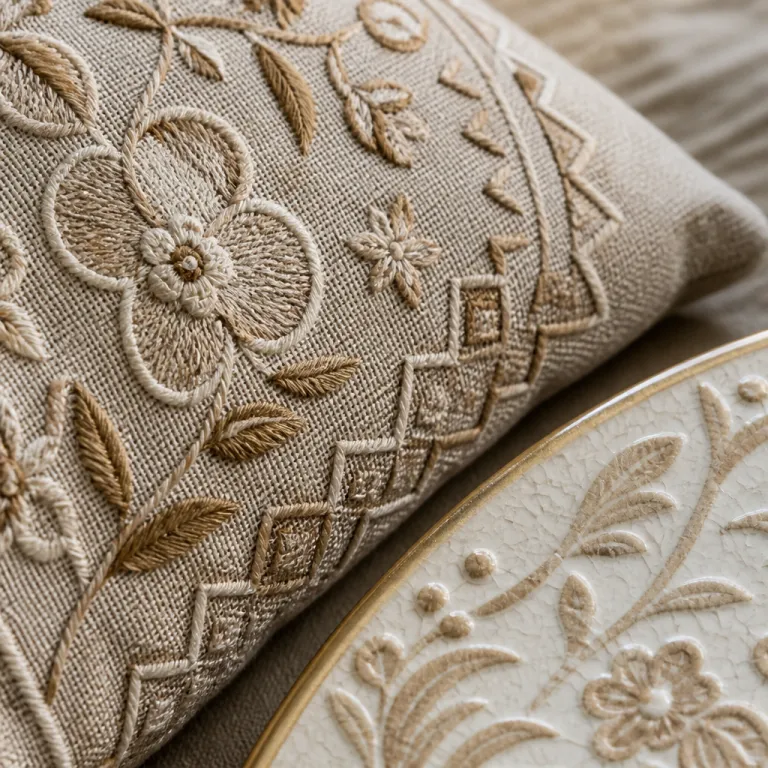
Luxury and premium properties across Hungary now collaborate with artisans so that folk dress motifs, porcelain and woven textiles appear in rooms and public spaces. This shift means a Hungarian folk culture travel family journey can start the moment you step into a lobby, where a Matyó inspired cushion or Zsolnay tile quietly introduces local heritage. For families who want to study Hungary in a relaxed way, these design details open conversations about history, language and the many layers of Hungarian cultural identity that appear in both rural and urban settings.
Hollókő: UNESCO village life, palóc crafts and family friendly stays
Hollókő sits in Nógrád County, a compact village of around 380 people where whitewashed houses line a cobbled main street. Recognized as a UNESCO World Heritage Site, it is one of Hungary’s most evocative historical destinations, a place where Hungarian folk culture is not staged for a single cultural festival but lived daily by a tight knit community. Families on a trip to Hungary can walk the short distance from the hilltop castle to the church in under ten minutes, yet spend hours pausing at weaving looms, pottery wheels and tiny museums.
Local Hollókő villagers work as artisans, using traditional tools such as pottery wheels and hand looms to keep palóc style crafts alive. On the regional folk craft trail, traditional pottery, weaving and porcelain making are highlighted as core experiences, and Hollókő delivers all three in child friendly scale. Young participants can watch a pot take shape, then step outside to see folk dress hanging to dry, while parents talk with makers about how these skills shape Hungarian heritage across the country and influence contemporary design.
Luxury minded families will not find grand palace hotels here, yet several rural guesthouses and countryside hotels offer polished comfort with authentic character. Many hosts arrange a folk program on request, from a private folk music recital to a simple dance house style evening where children learn basic steps. After a day of walking, it feels good to return to a quiet terrace, taste local dishes and hear the Hungarian language flow around you as the sun sets over northern Hungary and the village streets grow still.
Matyó embroidery, Mezőkövesd and how folk art enters hotel design
South of Eger, Mezőkövesd is the heartland of Matyó embroidery, a UNESCO listed expression of Hungarian cultural identity. Here, bold floral patterns in saturated reds, blues and greens cover tablecloths, shawls and traditional folk dress, creating a visual language that children remember long after the trip. When families travel through this part of Hungary, they can join workshops where participants stitch a simple motif, gaining a tactile sense of how long it takes to complete even a small piece and why these garments are treasured.
These Matyó designs now influence luxury hotel interiors from Budapest to Lake Balaton, where cushions, headboards and wall panels echo folk art patterns in a contemporary palette. For a Hungarian folk culture travel family itinerary, choosing properties that integrate such textiles turns each room into a quiet lesson in design history and regional culture. Some hotels even curate a small cultural program with rotating exhibitions, allowing guests to study Hungary’s regional styles without leaving the lobby or interrupting children’s rest time.
Parents interested in architecture and interiors can go deeper by reading about architectural marvels and design inspiration from luxury hotels in Hungary on specialist platforms and design focused guides. Combining that perspective with on the ground visits to Mezőkövesd helps families understand how a small cultural community can influence global aesthetics and contemporary hospitality. As one Matyó embroiderer explained to a recent visitor, “Every stitch carries a story from our village,” a reminder that Hungarian traditions are not frozen in time, but constantly reinterpreted in ways that suit both premium travelers and local artisans.
Porcelain powerhouses: Herend, Hollóháza and the Zsolnay quarter in Pécs
Herend, west of Budapest, is one of the world’s great porcelain manufacturers and a highlight for any family interested in craft. The Herend Porcelain Museum and factory complex welcomes visitors with guided tours that can usually be reserved in advance through official channels. Children can watch painters at work, then join supervised sessions where they paint their own small piece to take home, turning a factory tour into a creative afternoon that anchors the trip in memory.
Farther northeast, the Hollóháza Porcelain Manufactory, founded in the eighteenth century, represents another pillar of Hungarian heritage in porcelain making. Its pieces appear in both traditional homes and contemporary hotels across Hungary, linking rural workshops with urban luxury suites in Budapest and beyond. As families learn Hungary’s porcelain story through such visits, they begin to see how cultural motifs travel from kiln to table to hotel lobby and into the wider world of design.
In Pécs, the Zsolnay Cultural Quarter transforms a former industrial site into an arts campus where workshops, exhibitions and cafés share space with Eosin glazed architectural ceramics. Many rooftops in central Budapest feature Zsolnay tiles, so a walk through the capital after visiting Pécs becomes a kind of open air design tour for the whole family. For parents who want to study Hungary through design rather than textbooks, these porcelain hubs offer a rich, multi generational program that blends history, art and everyday life in an accessible way.
Thermal baths, language moments and a four day family folk itinerary
No Hungarian folk culture travel family journey feels complete without time in thermal baths, where daily life and tradition meet in warm mineral water. In baths Budapest is famous for, such as Széchenyi or Gellért, children notice chess players, domes and mosaics that echo the same folk art sensibility seen in textiles and porcelain. Parents sometimes worry about safety around busy pools, yet lifeguards, family zones and clear rules usually make these thermal spaces manageable with basic supervision and age appropriate expectations.
Language adds another layer, and even a few words of the Hungarian language can transform how your family connects with hosts and artisans. Many hotels now offer short “learn Hungary” style cards or children’s activity books, turning check in into a playful introduction to this unique Finno Ugric language. When young travelers hear Hungarian folk music in a dance house or at a cultural festival and recognize a word or two, the country suddenly feels more accessible and less intimidating.
Across four days, you might start in Budapest for one night, then drive about ninety minutes to Hollókő, continue two hours to Mezőkövesd and finish near a thermal resort with strong cultural programming. Each stop balances structured experiences, such as a guided tour or workshop, with unhurried time in cafés, parks or baths so participants of all ages stay engaged. By the end of such a trip, Hungary will feel less like a distant country and more like a network of communities that welcomed your family into their everyday folk culture and seasonal celebrations.
Choosing the right luxury base: what premium families should look for
For families booking luxury or premium hotels in Hungary, the key is to align property style with your cultural interests. In Budapest, look for addresses that reference Hungarian folk art or national heritage in their design narrative, whether through ceramics, textiles or curated art collections. Outside the capital, rural estates and countryside hotels often work closely with local artisans, turning each stay into a small scale cultural festival for guests and a source of income for craftspeople.
When evaluating options, ask whether the hotel can arrange a folk music performance, a visit to a nearby dance house or a private tour of local workshops. Properties that maintain strong ties to their surrounding community usually offer richer experiences, from introductions to craftspeople to family friendly walks through historical sites. It is also worth checking how the hotel frames safety, since many first time visitors search anxiously about security in Hungary, yet on the ground most premium properties maintain high standards of protection and service.
Thoughtful concierges can help you study Hungary beyond the obvious, suggesting lesser known villages, seasonal events and artisan studios that fit your children’s ages and attention spans. Some hotels even collaborate with tourism boards and cultural organizations to support a broader folk craft trail, ensuring that your travel spending benefits the people who keep these traditions alive. In this way, a Hungarian folk culture travel family holiday becomes both a refined escape and a meaningful contribution to the future of Hungarian heritage and regional communities.
FAQ about Hungary’s folk craft trail for families
What crafts can our family experience on Hungary’s folk craft trail ?
Families can experience traditional pottery, weaving and porcelain making along the folk craft trail that links Hollókő, Mezőkövesd, Herend, Hollóháza and Pécs. Children often enjoy watching clay shaped on pottery wheels, trying simple weaving patterns and painting small porcelain pieces under guidance. These activities introduce Hungarian culture in a tactile way that complements visits to museums and historical sites focused on folk art and design.
Is Hollókő suitable for young children and older relatives ?
Hollókő is compact, with short walking distances and a calm village atmosphere, which suits both young children and grandparents. Some streets are cobbled and slightly steep, so comfortable shoes and occasional breaks are important for all participants. Many guesthouses are family run, and hosts are used to welcoming multi generational groups interested in folk culture and rural village life.
How can we combine Budapest’s thermal baths with folk culture experiences ?
In Budapest, you can pair morning visits to thermal baths with afternoon walks through districts that showcase Zsolnay tiles, folk art shops and small galleries. Several luxury hotels near baths Budapest highlight Hungarian heritage in their interiors, so families can move easily between wellness and culture. This balance keeps children engaged while adults enjoy both the thermal tradition and the city’s design rich neighborhoods and riverfront promenades.
Are porcelain factory visits engaging enough for children ?
Porcelain factories such as Herend and Hollóháza design their tours with families in mind, combining short guided walks with live demonstrations and interactive workshops. Watching artisans paint fine details helps children appreciate the skill behind the porcelain they see in hotels and restaurants across Hungary. Hands on painting sessions allow each child to create a small souvenir, making the visit a highlight of a Hungarian folk culture travel family itinerary and a talking point back home.
Is it necessary to speak the Hungarian language to enjoy these regions ?
Speaking the Hungarian language is not necessary, as many people in tourism speak English or German, especially in Budapest and major cultural hubs. Learning a few basic phrases through hotel materials or simple “learn Hungary” style guides can, however, deepen your connection with artisans and hosts. Even small efforts with the language often lead to warmer interactions and more personal stories about Hungarian heritage and local customs.