Thermal spa Budapest Hungary essentials for luxury travellers
Thermal spa Budapest Hungary experiences begin with understanding the city’s unique geology. Budapest sits on more than 123 thermal springs, which feed historic baths and modern spas with naturally hot water. This foundation shapes how luxury hotels curate wellness stays for guests seeking authentic Hungarian culture.
Many premium properties partner with iconic baths Budapest institutions to offer priority access and curated rituals. Guests can reserve timed entries to a favourite thermal bath, arrange private guides through ornate halls, or combine spa sessions with fine dining. These collaborations help transform a simple pool visit into a seamless, high touch wellness journey.
Széchenyi thermal traditions are central to any refined stay in Hungary. The Széchenyi baths complex in City Park features 18 pools, including outdoor thermal pools where steam rises dramatically on cool days Budapest visitors particularly enjoy. Luxury concierges often recommend pairing a morning at Széchenyi spa with an afternoon stroll along Andrássy Avenue and a chauffeured drive past the Hungarian Parliament.
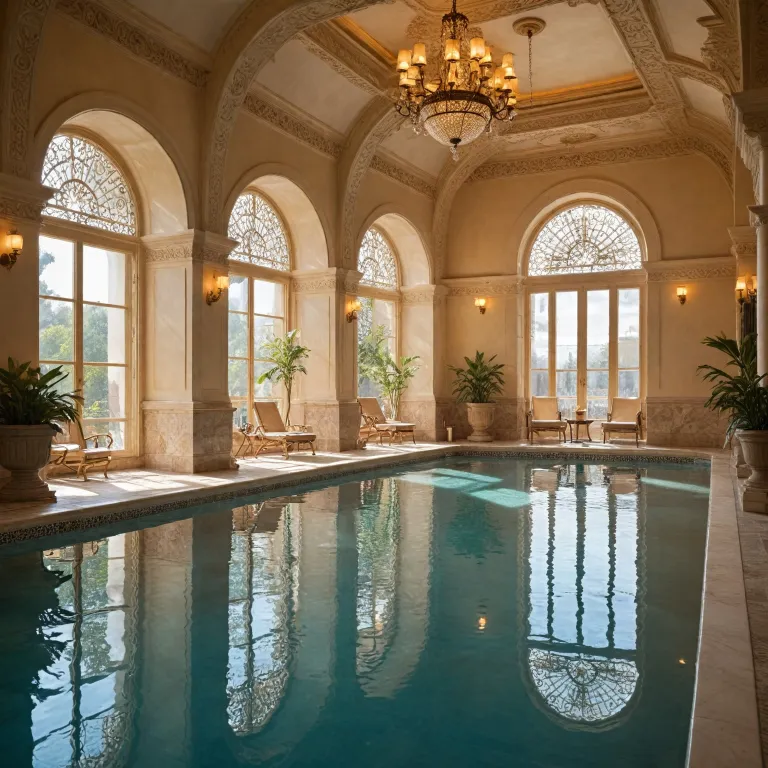
Gellért spa offers a contrasting atmosphere, with Art Nouveau mosaics, stained glass, and an elegant indoor swimming pool framed by columns. Many guests staying near the river Danube choose a thermal spa Budapest Hungary itinerary that alternates between Gellért and Széchenyi baths for variety. Both locations use mineral rich hot water that supports wellness focused stays in the capital city.
For travellers booking premium hotels, understanding wristband systems at each bath is essential. A wristband typically controls locker access, tracks services, and simplifies movement between pools and saunas. High end concierges often pre arrange tickets, explain wristband use, and ensure guests move confidently between every bath and spa zone.
Planning luxury hotel stays around Budapest’s historic baths
Choosing a luxury hotel in Budapest becomes easier when you anchor your plans around specific baths. Guests who prioritise Széchenyi thermal experiences often select properties near City Park, reducing transfer times to the pools. Others who favour Gellért spa and its riverside setting may prefer hotels overlooking the river Danube or the Gellért Hill area.
Thermal spa Budapest Hungary itineraries should consider how many days Budapest visitors will spend in the city. With at least three nights, you can enjoy Széchenyi baths, Gellért spa, and another historic thermal bath such as Rudas without rushing. Premium concierges help sequence these visits so that spa days alternate with cultural excursions to Heroes Square, Matthias Church, or the Hungarian Parliament.
Some travellers combine Budapest with Vienna, using rail connections to craft a broader Central European wellness journey. When comparing refined stays, many guests research Vienna luxury hotels for refined stays alongside Budapest’s palace style properties. This dual city approach allows you to enjoy both imperial architecture and famous thermal traditions within a single trip.
Premium hotels in Hungary increasingly integrate spa like amenities that echo the city’s thermal baths. You may find indoor pools inspired by Széchenyi spa courtyards, or hammam style steam rooms referencing Rudas architecture. These in house facilities complement, rather than replace, visits to authentic thermal baths Budapest travellers regard as essential.
When booking, pay attention to packages that include guaranteed entry to a chosen thermal bath. Some offers bundle breakfast, airport transfers, and timed access to Széchenyi thermal pools or Gellért spa pools. This structure protects you from queues at peak hours and ensures your hot water sessions align with restaurant reservations and evening performances.
Experiencing Széchenyi and Gellért like a seasoned spa guest
Thermal spa Budapest Hungary experiences at Széchenyi baths reward a little preparation. Arrive with swimwear, sandals, and a towel, as rentals are available but can add cost and time. Many luxury hotel guests also bring a light robe, which makes moving between outdoor pools and indoor saunas more comfortable.
Széchenyi thermal pools range from pleasantly warm to intensely hot water, so alternate temperatures to avoid fatigue. Start in a medium warm pool, then progress to hotter baths before cooling down in a swimming pool or cold plunge. This rhythm mirrors traditional Hungarian spa practice and supports circulation while keeping the experience relaxing.
Gellért spa offers both indoor and outdoor pools, each framed by intricate Art Nouveau details. The main indoor pool Gellért guests love is flanked by columns and balconies, creating a palace like atmosphere. Outside, thermal pools and a wave pool provide a playful contrast to the more formal interior bath spaces.
For culture focused travellers, combining spa visits with nearby landmarks enhances each day. From Széchenyi baths, you can walk through City Park to Heroes Square, then continue along Andrássy Avenue toward the opera and downtown. From Gellért spa, a short ride brings you to the Hungarian Parliament building and the river Danube promenade.
Luxury travellers seeking refined city experiences often consult curated guides to Budapest Hungary attractions for luxury travellers. These resources help align thermal baths Budapest sessions with private tours of Matthias Church or evening cruises past the illuminated Hungarian Parliament. With thoughtful planning, each thermal bath visit becomes part of a broader narrative of architecture, gastronomy, and wellness.
How luxury hotels elevate the thermal spa Budapest Hungary ritual
Premium hotels in Budapest increasingly design services around the city’s thermal baths. Concierges secure priority tickets to Széchenyi spa, Gellért spa, or other thermal baths, then coordinate transfers and timing. This support allows guests to focus on the sensory experience of hot water and ornate architecture rather than logistics.
Many properties offer pre and post spa rituals that echo Hungarian traditions. Before a thermal bath visit, you might enjoy a light breakfast, hydration focused juices, and stretching guidance from the wellness team. After returning from the baths Budapest guests often appreciate in room aromatherapy, herbal teas, and light meals that complement the detox effect.
Some luxury hotels feature in house spas with thermal inspired treatments using mineral rich products. While these facilities do not replicate natural thermal pools, they extend the theme through hydrotherapy circuits, saunas, and steam rooms. Guests can alternate between public thermal bath days and quieter hotel spa days for balance.
For travellers comparing amenities, a detailed guide to Hungary luxury hotel amenities can be invaluable. Such resources explain which properties offer private transfers to Széchenyi thermal, which include wristband ready tickets, and which provide late checkout after spa heavy days Budapest visitors appreciate. This information supports informed decisions that align with personal wellness priorities.
High end hotels also help guests navigate practicalities at each thermal bath. Staff explain how wristband systems work, which pools are true thermal pools, and where to find quieter corners away from crowds. They may also suggest optimal times to visit Széchenyi baths or Gellért spa to enjoy the palace like surroundings with fewer people.
Balancing spa culture with Budapest’s architectural highlights
Thermal spa Budapest Hungary itineraries gain depth when paired with the city’s architectural icons. After a morning in hot water at Széchenyi spa, you might tour Heroes Square and the museums lining City Park. Later, a drive along Andrássy Avenue reveals grand townhouses and theatres that echo the elegance of palace style baths.
The Hungarian Parliament building, set beside the river Danube, offers a striking counterpoint to the organic curves of Gellért spa. Many guests schedule a thermal bath session in the morning, then a guided tour of the Hungarian Parliament in the afternoon. This combination highlights how Hungarian design ranges from neo Gothic power symbols to serene spa interiors.
Matthias Church in the Castle District adds another layer to days Budapest visitors devote to culture and wellness. Its colourful roof tiles and intricate interior pair beautifully with an evening soak in nearby thermal baths Budapest residents frequent. The contrast between sacred space and secular spa underlines the city’s layered history.
Rudas, one of the oldest thermal baths, showcases Ottoman influences with its domed central pool and atmospheric lighting. Luxury travellers often appreciate how this historic bath differs from the more open courtyards of Széchenyi thermal or the Art Nouveau lines of Gellért spa. Experiencing multiple thermal bath styles deepens understanding of how the city evolved around its springs.
Throughout these explorations, the constant presence of hot water and thermal pools reinforces Budapest’s identity as a spa capital. Whether you are relaxing in a swimming pool, stepping into a hotter bath, or simply walking along the river Danube, the theme of wellness remains close. This integration of architecture, history, and spa culture is what makes Hungary’s capital so compelling for luxury travellers.
Practical tips for premium guests using Budapest’s thermal baths
Thermal spa Budapest Hungary visits run more smoothly when you understand local etiquette. Arrive at baths Budapest venues with appropriate swimwear, as nudity is not standard in public areas. Bring flip flops, as floors around each pool and bath can be wet and sometimes slippery.
Most major thermal baths use a wristband system to manage lockers and access. At Széchenyi baths or Gellért spa, staff will show you how to tap the wristband at gates and locker doors. Keep it secure, as it effectively replaces a traditional key and sometimes tracks additional services.
Water temperatures in thermal pools can be significantly higher than a typical swimming pool. Alternate between hot water and cooler baths, and take breaks to hydrate, especially on longer spa days Budapest guests often plan. If you feel light headed, step out, sit down, and sip water before continuing.
Some thermal baths have gender specific times or areas, particularly older facilities like Rudas. Check schedules in advance, especially if your luxury hotel has arranged a tightly timed itinerary around a thermal bath visit. This avoids disappointment and ensures your spa plans align with restaurant reservations or cultural tours.
Finally, remember that thermal baths Budapest experiences are both wellness rituals and social occasions. Locals may play chess in outdoor pools at Széchenyi spa, chat quietly in palace like halls, or simply float in silence. Respectful behaviour, moderate volume, and thoughtful use of shared spaces help maintain the refined atmosphere that makes Hungary’s thermal culture so enduring.
Key statistics on Budapest’s thermal spa heritage
- Number of thermal springs in Budapest : 123 springs feed the city’s renowned baths and spas.
- Temperature range of thermal waters : from 10 °C to 77 °C across different pools and sources.
- Number of pools in Széchenyi Thermal Bath : 18 pools, including indoor and outdoor thermal pools and a swimming pool.
Expert answers to common questions about Budapest’s baths
What are the health benefits of Budapest's thermal baths?
What are the health benefits of Budapest's thermal baths? The mineral-rich waters are believed to aid in treating joint illnesses, chronic inflammations, and certain skin conditions.
Are Budapest's thermal baths suitable for children?
Are Budapest's thermal baths suitable for children? Some baths, like Palatinus Spa, are family-friendly and offer pools suitable for children.
Do I need to wear a swim cap in Budapest's thermal baths?
Do I need to wear a swim cap in Budapest's thermal baths? Swim caps are typically required in swimming pools but not in thermal baths; it's advisable to check specific bathhouse policies.